The right plant support can be the difference between a bountiful harvest and a disappointing tangle of snapped stems. The market offers a vast array of options, from a simple climbing net to specialised plant tie wire. Making the wrong choice not only leads to frustration but can also damage your plants. This guide uses facts and specifications to help you find the perfect solution for your garden, balcony, or vegetable patch.
What to Look for When Buying a Plant Support
Before making a decision, it's helpful to consider three key criteria. This will help you narrow your search to a product that truly fits your specific needs.
1. Purpose: Support, Guide, or Protect?
The term 'plant support' is broad. First, determine the primary goal:
- Support: For plants with heavy fruits (tomatoes, peppers) or weak stems that need help to stay upright.
- Guide: For climbing plants (cucumbers, beans, clematis) that require a structure to grow upwards. This is essential for training plants in vertical gardens or in limited spaces. A trellis net is a popular solution here.
- Protect: Sometimes the goal isn't support, but crop protection. Consider an anti-hail net to shield vulnerable vegetables from extreme weather, or bird netting for your vegetable garden to secure your harvest.
2. Material and Durability
The material determines the product's lifespan and application.
- Plastic (PE/PP): Lightweight, often UV-resistant, and does not rust. Ideal for temporary structures or lighter plants.
- Coated Steel: Offers high tensile strength. The coating, often PVC, protects the plant from damage by the metal and the metal from rust. This is a durable choice for heavier plants.
- Polyethylene (PE) Monofilament: A strong, woven material often used for protective netting. A quality UV treatment is crucial here for longevity.
3. Dimensions and Application
Measure the space you have available. A 2x20 metre net is suitable for an entire row of beans, while a 100-metre roll of tying wire offers flexibility for various tasks throughout the season. Check the mesh size of a garden net: large meshes are fine for climbing plants, but a fine-mesh net is necessary to block insects or hail.
Our Recommended Product Picks
Based on the criteria above, we have selected products with clear specifications and applications.
1. TENAX Flora Trellis Net for Climbing Plants - 2x20 m
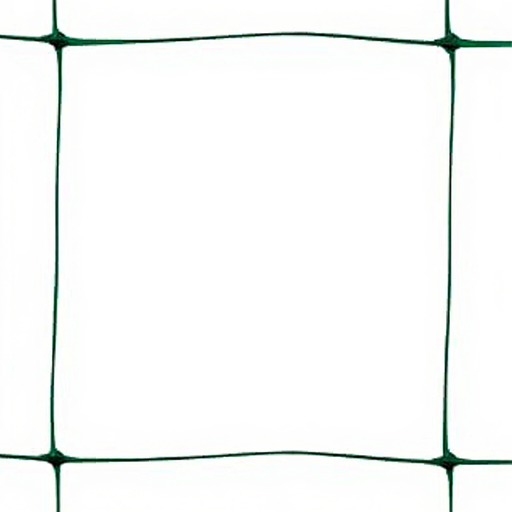
- Why this product: This plastic climbing net is designed for vertically training climbing vegetables and flowers. It provides a large surface area for plants to grow efficiently, which is especially useful in smaller gardens or vegetable patches.
- Advantages:
- Dimensions: At 2 x 20 metres, you can cover a significant length.
- Material: Made of plastic, making it lightweight and easy to handle.
- Shape: The rectangular shape makes it easy to stretch between posts or against a wall.
- Who is this for: Gardeners and allotment holders who grow cucumbers, gherkins, beans, peas, or other climbing crops and want to make optimal use of vertical space.
2. TENAX PVC Coated Steel Wire Plant Ties - 3 mm x 100 m
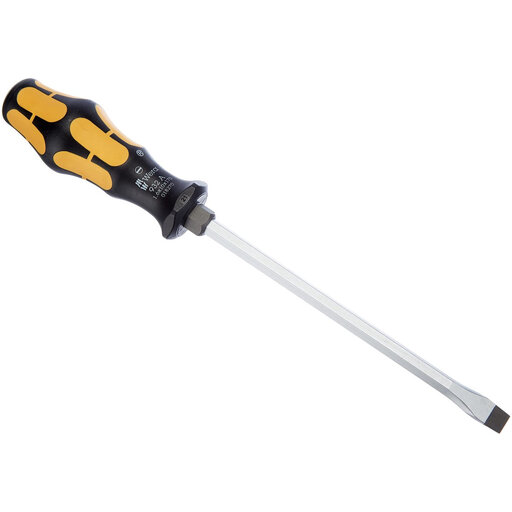
- Why this product: This plant tie wire combines strength with ease of use. The steel core provides sturdiness, while the soft coating protects the plant stems. The included dispenser with a cutter makes cutting custom lengths incredibly practical.
- Advantages:
- Material: A strong steel core with a soft, green PVC coating.
- Ease of Use: The 100-metre roll comes on a dispenser with an integrated cutter.
- Versatility: Suitable for tying up tomato plants, securing young trees to a stake, or for general use in the garden.
- Who is this for: Gardeners looking for a strong, reliable, and flexible solution to secure individual plants or branches without causing damage.
3. TENAX Defender Anti-Hail Net - 2.00 x 10 m
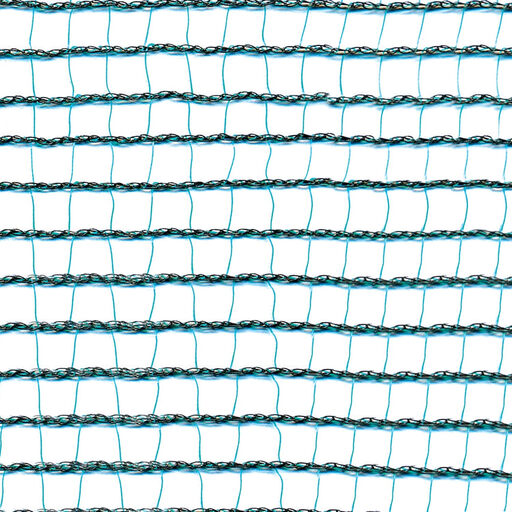
- Why this product: This net is specifically designed for crop protection. It shields fruit and vegetables from hail damage but also functions effectively as bird netting. The material allows air and water to pass through, ensuring plant growth is not hindered.
- Advantages:
- Material: Woven from polyethylene (PE) monofilament and is UV-treated for a longer lifespan.
- Functionality: Protects against hail and birds while allowing essential air and water to penetrate.
- Construction: Features reinforced edges for extra strength and shape retention.
- Who is this for: Growers of fruit and vulnerable vegetables in areas at risk of hailstorms, or gardeners who want to protect their harvest from birds.
Didn't Find What You Were Looking For?
The products above offer solutions for common plant training and protection challenges. However, if you are looking for something else, such as bamboo canes, plant rings, ground cover staples, or other types of garden netting, you can find a wider range of garden supplies in our main category.
View all products in the Green category here
Frequently Asked Questions
1. How do I correctly install a climbing net? Stretch the net between two sturdy posts or against a wall or fence. Ensure the net is taut, but not under extreme tension. Secure it at the top, bottom, and, if necessary, on the sides. Leave about 10-15 cm of space between the bottom of the net and the ground to prevent it from getting dirty and to make weeding easier.
2. Is PVC-coated plant wire safe for plants? Yes, the soft PVC coating is specifically designed to prevent the hard steel core from cutting into the plant's stem. It provides a smooth and flexible surface that moves with the plant's growth, provided it is not tied too tightly. Always leave some room for the stem to thicken.
3. Can an anti-hail net also serve as a shade cloth? Although an anti-hail net provides some shade, this is not its primary function. The mesh size is designed to stop hailstones while allowing as much light, air, and water as possible to pass through. For significant shade during hot summer months, a dedicated shade cloth with a higher density is a better choice.
Written by the Joybuy Product Recommendation Officer