
Vandaag of morgen in huis

Kwaliteit gegarandeerd

Welkomstaanbiedingen ontgrendelen: GRATIS bezorging | Tot 80% korting | Gratis 30 dagen JoyPlus-proefperiode
Download de app
At first glance, choosing a plant-based protein powder seems straightforward. Yet products vary widely in protein content, ingredients, flavour, serving size and ease of use. A flashy packet or the term “high protein” doesn’t always tell you enough.
For athletes, vegans, vegetarians and active consumers, there are three main pitfalls to watch out for:
With the right checks, you can find a vegan protein powder that suits your diet, training routine and budget.
First, look at the grams of protein per recommended serving. A serving of 25 to 36 grams of powder often contains roughly 20 to 24 grams of protein, but this varies by formula.
Also check the protein percentage per 100 grams. A product with 23 grams of protein from a 25-gram serving has a different protein density than a shake with 20 grams of protein from 36 grams of powder. For anyone using a protein powder for muscle building daily, this comparison is practical: you can see how much powder you need to reach a certain amount of protein.
Pay attention to the serving size too. A 280-gram pack with 10 servings is not the same as a 684-gram bag with 20 servings. Work out the cost per serving before you order.
The most common types of plant-based protein are:
According to the product information from Optimum Nutrition, the Gold Standard Plant Protein is made from pea and rice protein. The Clear Protein variants use hydrolysed pea protein isolate, according to the ingredients list. Lucovitaal states that the Pure Soy Protein Powder is 100% soya protein isolate.
If you’re looking for protein powder without sugar, you need to look at both the nutrition table and the ingredients list. “No sugar” doesn’t automatically mean no sweeteners. Products may contain, for example, sucralose or steviol glycosides.
Also check:
A vegan product may be produced in a factory where milk, egg, gluten, soya, nuts or peanuts are also handled. If you have an allergy, always check the current packaging.
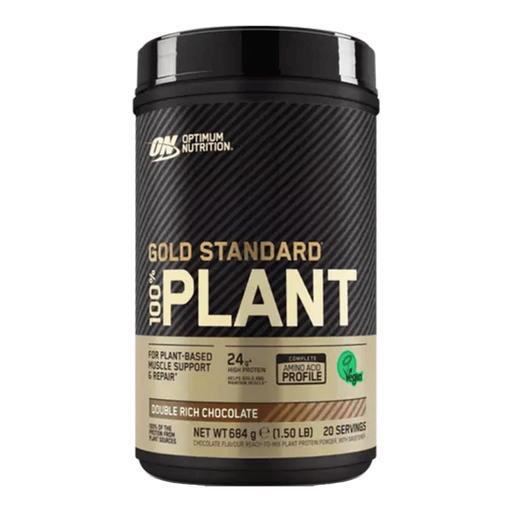
Why this fits the profile: The pack contains 20 servings of around 36 grams. According to the product information, each serving provides 24 grams of plant-based protein from pea and rice protein. This makes comparing and measuring straightforward for anyone just starting out with a vegan protein shake.
The amount of protein per serving is clearly stated. Do check the current ingredients list: the product information mentions sucralose and possible traces of milk, gluten, egg, soya, nuts and peanuts.
24 grams of protein per serving, 20 servings per pack and a chocolate flavour. According to the product information, the formula is based on pea and rice protein.
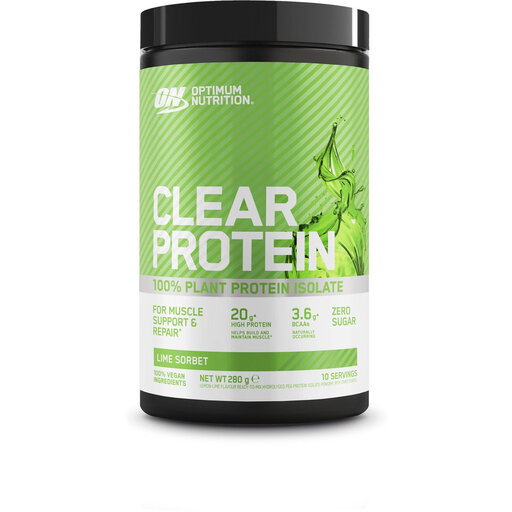
Why this fits the profile: This variant is designed for those who don’t want a creamy shake. According to the product information, you mix 28 grams of powder with 600 ml of cold water. The lemon and lime flavour suits users looking for a lighter drink around their workout.
The product information states 20 grams of protein per serving and no sugar. After shaking, the natural froth needs to settle; bear this in mind if you need it quickly.
20 grams of protein per serving, 10 servings and a formula based on plant-based pea protein isolate. According to the product information, this variant contains no sugar.
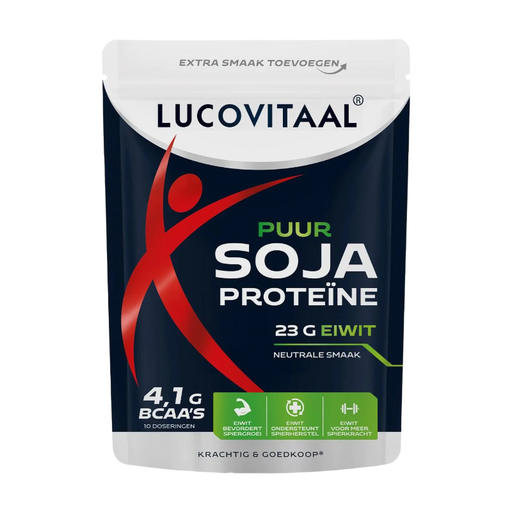
Why this fits the profile: This neutral soya formula is suitable for anyone who wants to customise a protein shake for athletes or use the powder in smoothies and baking. According to the product information, a 25-gram serving contains 23 grams of protein.
The nutrition information states 0 grams of sugar and 0 grams of carbohydrates per serving. Note: soya is an allergen and is explicitly listed in the ingredients.
23 grams of protein per serving, neutral flavour and, according to the product information, no added colourings, flavourings or sugar.
We’ve put together a full, up-to-date list of products that fully meet these strict selection criteria and comply with current European safety regulations.
Plant-based protein powder can help top up your daily protein intake. For muscle building, your overall diet, training load, recovery and sufficient energy intake are also important. Above all, compare the protein content per serving and follow the usage instructions on the label.
Whey comes from milk and therefore doesn’t fit into a vegan diet. Vegan protein is made from sources such as peas, rice or soya. The flavour, solubility and texture vary by source. If you have an allergy, always check the allergen information, because plant-based products may be processed in an environment where milk or other allergens are present.
The shelf life depends on the date on the pack and how it’s stored. Seal the bag or pot tightly after each use and keep the powder dry and out of direct sunlight. Don’t use it if the smell, colour or texture has clearly changed. The current best-before date and batch information are on the pack.
