
Vandaag of morgen in huis

Kwaliteit gegarandeerd

Welkomstaanbiedingen ontgrendelen: GRATIS bezorging | Tot 80% korting | Gratis 30 dagen JoyPlus-proefperiode
Download de app
Plant-based protein products come in many forms: from ready-to-drink plant protein shakes to vegan protein powder, tofu, beans and peanut butter with no added sugar. This wide range makes choosing both easy and confusing. A striking packet or the term “high protein” doesn’t always tell you enough about the ingredients, portion size or how easy it is to use.
If you’re shopping consciously in the UK, it’s worth avoiding three common pitfalls:
Always compare the same unit. A product with 20 grams of protein per portion might use a portion size of 25, 28 or 40 grams. So look at:
Lucovitaal Protein Soy Powder Pure, for example, states 23 grams of protein per 25-gram portion and 92 grams per 100 grams. According to the product information, the powder is 100% soya protein isolate. That makes it suitable for a shake, smoothie or baking recipe, but not for anyone with a soya allergy.
Check the ingredients list before adding a product to your daily diet. Soya milk or soya milk powder may contain sugar, malt syrup or maltose. Flavoured drinks can have a higher sugar content than an unsweetened version.
Peanut butter with no added sugar is another type of plant-based protein source. PCD Peanut Butter contains 100% peanuts according to the product information, with no added sugar, salt, hydrogenated oil or preservatives. The nutrition information shows 26 grams of protein and 9 grams of fibre per 100 grams. At the same time, the product contains 50 grams of fat and 598 kcal per 100 grams. So it’s nutritious, but portion size still matters.
Read the label in full, especially if you follow a vegan or lactose-free lifestyle. “Vegan” doesn’t rule out an allergy to soya, peanuts or nuts. Also check for warnings about possible traces.
Also consider the practical use:
The right choice depends on your eating pattern and planning. For breakfast, soya milk can work in porridge or coffee. A vegan protein shake is especially practical when you want something quick after exercise. Tofu, beans and chickpeas are suitable as part of a hot meal and provide carbohydrates and fibre alongside protein.
The nutritional values vary widely. TRS Alubia White Bean is 100% white beans and is intended for soups, stews and salads. Cock Brand Red Bean contains 20 grams of protein per 100 grams of dried beans, according to the product information. Anatolia Sari Leblebi states 7.5 grams of protein per 100 grams of the product as sold. With dried and prepared products, always check whether the table refers to the dry or prepared weight.
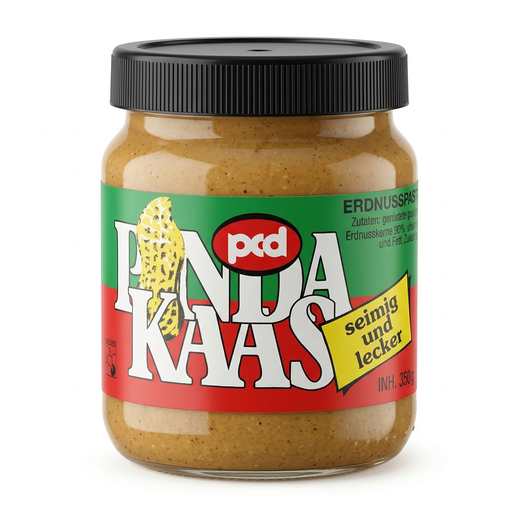
Why it fits this profile: A simple product for toast, porridge, smoothies and baking recipes. According to the product information, it is made from 100% peanuts.
The ingredients list is short and states no added sugar or salt. Do be aware of the high energy value and the peanut allergen.
26 g protein and 9 g fibre per 100 g according to the label; versatile for everyday use.
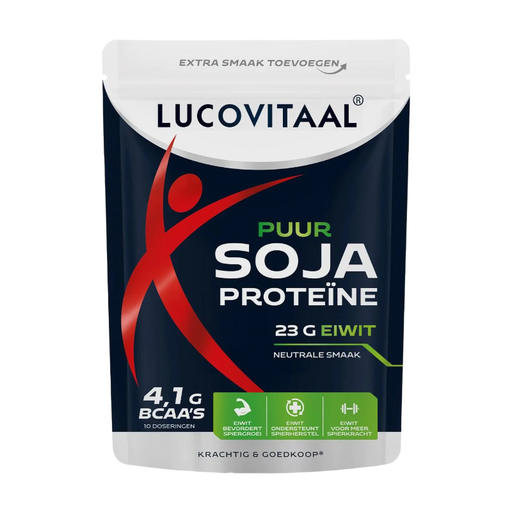
Why it fits this profile: The neutral flavour and high protein content suit athletes and active adults who want to make their own vegan protein shake.
The table shows both the amount per portion and per 100 g. According to the product information, there are no added colours, flavours or sugars.
23 g protein per 25 g portion; can be used in shakes, smoothies and baked goods.
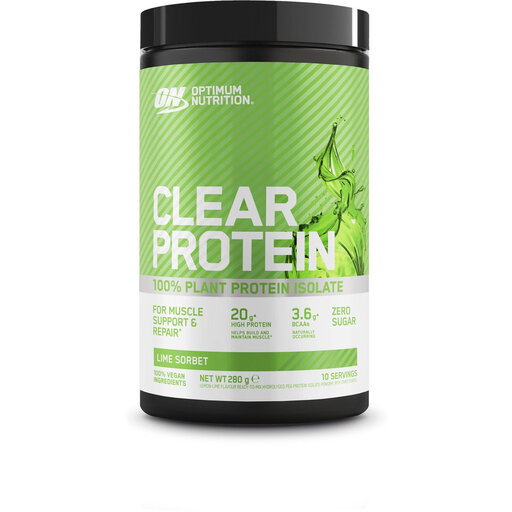
Why it fits this profile: According to the product description, this powder provides 20 g of protein per portion and is intended for adults who want a light, non-creamy shake.
The preparation instructions mention 28 g of powder to 600 ml of cold water. Check before purchase for the warning about possible traces of milk, gluten, egg, soya, nuts and peanuts.
20 g protein and 3.6 g BCAAs per portion according to the product information; 10 portions per pack.
We’ve put together a full, up-to-date list of products that fully meet these strict selection criteria and comply with current European safety regulations.
A vegan protein shake with soya, pea or another plant-based protein isolate is easy to measure. Look at the number of grams of protein per portion and follow the preparation instructions on the label. A ready-to-drink plant protein shake is more convenient on the go, but may contain less protein per pack.
That varies by brand and recipe. Alpro Soyadrink Original states 3 grams of protein per 100 ml. Some rice or oat drinks contain less, while fortified drinks have different nutritional values. So compare the table per 100 ml and pay attention to sugar, calcium and added vitamins.
Store vegan protein powder and soya milk powder in a dry, cool place, tightly sealed. Dried white beans, red beans and chickpeas should also be kept dry and out of direct sunlight. Tofu and opened soya drink must be refrigerated according to the packet. Always check the best-before date and usage instructions on the actual packaging.
