
Vandaag of morgen in huis

Kwaliteit gegarandeerd

Welkomstaanbiedingen ontgrendelen: GRATIS bezorging | Tot 80% korting | Gratis 30 dagen JoyPlus-proefperiode
Download de app
Plant-based milk, also sold as plant-based drink, comes in many varieties. Soya drink for breakfast, oat milk for coffee, almond drink for smoothies and soya milk powder for the cupboard or office: the packaging often looks easy to compare, but the differences are in the details.
Watch out for three common pitfalls:
Always use the same amount when comparing: per 100 ml. This prevents a product with a larger serving size from appearing more favourable.
For everyday use, these values are particularly practical:
Also check the ingredients list. Water usually comes first, followed by, for example, oats, soya or almonds. Thickeners, oil, salt, flavourings and vitamins can be part of the recipe. This doesn’t automatically make a product unsuitable, but it does help you make an informed choice.
The raw ingredient largely determines the taste and use:
Marketing terms like “creamy”, “rich” or “barista” don’t mean much on their own. Combine such descriptions with verifiable information about ingredients, nutritional values, content and preparation method.
Plant-based milk is often a lactose-free milk alternative, but that doesn’t mean every product is suitable for every allergy.
Always check:
The product packaging is definitive. Manufacturers can change recipes and the information on a sales page may differ from the current label.
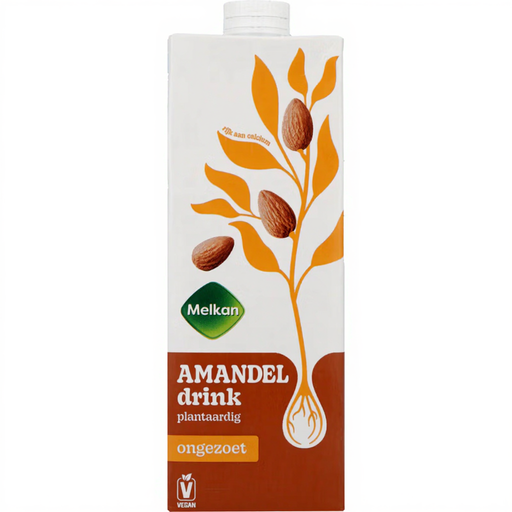
Why this fits the profile: A simple almond drink for breakfast, smoothies or use in cold preparations, with 0 g sugar per 100 ml according to the product information.
The nutritional information makes the sugar content verifiable. Don’t expect a high protein content though: it is listed as 0.4 g per 100 ml.
0 g sugar per 100 ml, 1 litre content and fortified with calcium and vitamins according to the product description.
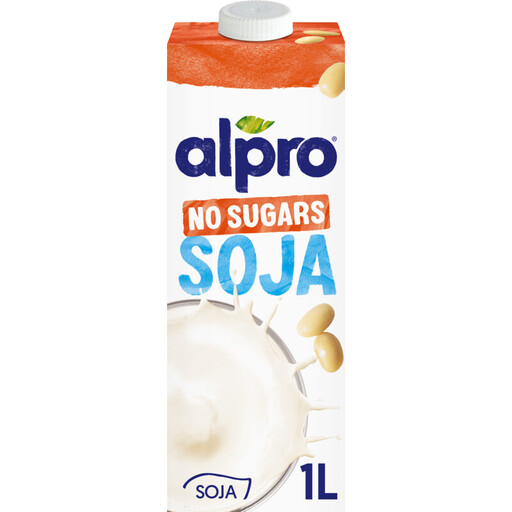
Why this fits the profile: Suitable for vegans and consumers looking for an unsweetened soya drink for breakfast, cooking, pancakes or smoothies.
The “unsweetened” claim is backed by the stated 0 g sugar per 100 ml. Do check the current label before purchase.
3.3 g protein and 120 mg calcium per 100 ml according to the product information; suitable for cold and hot preparations.
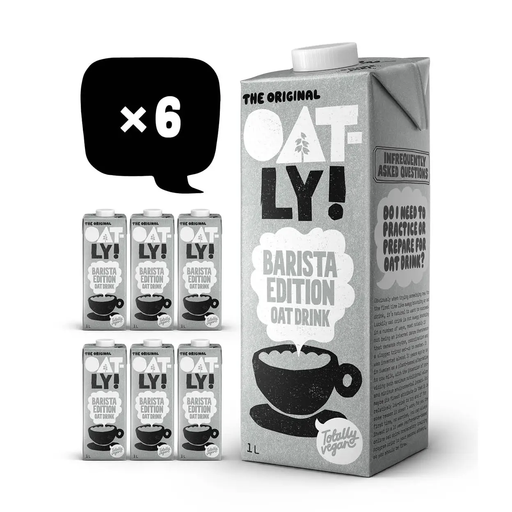
Why this fits the profile: Aimed at coffee lovers who regularly make plant-based lattes, cappuccinos or other hot coffee drinks.
The product description explicitly states that this oat drink is developed for frothing. That is more relevant than just the term “creamy”.
10% oats, 61 kcal and 3.4 g sugars per 100 ml according to the stated table; pack of 6 x 1 litre.
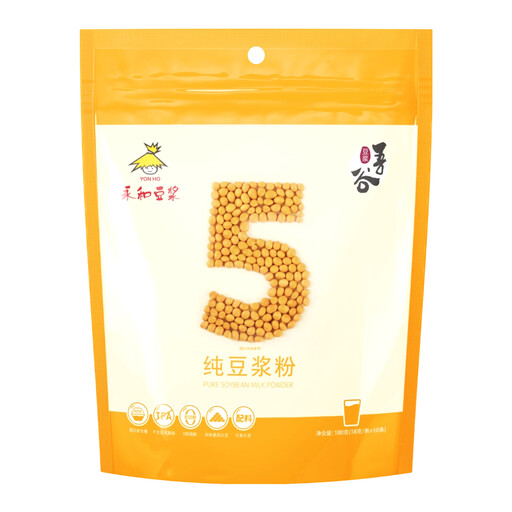
Why this fits the profile: Handy if you want to keep plant-based milk in stock without storing multiple litre cartons in the fridge.
The preparation ratio is concrete: according to the product information, add 180 ml hot water and stir well. This way you can adjust the strength yourself.
Ingredient: 100% soya beans; 40 g protein per 100 g powder according to the product information. Contains soya as an allergen.
We have compiled a full, up-to-date list of products that fully meet these strict selection criteria and current European safety regulations.
Choose a product that states it is developed for frothing or barista use. Oatly Oat Barista Edition is described as intended for barista coffee. A standard oat drink can react differently when heated or frothed. The temperature, type of milk frother and amount of drink also affect the result.
Soya milk or soya drink contains more protein than almond drink in the examples mentioned. Almond drink often has a lighter taste and lower protein content. Also look at sugar, calcium, added vitamins and allergens. The right choice depends on your use: soya drink is more often suitable for smoothies and cooking, while almond drink is popular in breakfast cereals and cold drinks.
This varies by brand and packaging. Store an opened plant-based drink in the fridge and follow the period on the label. Seal the carton well and don’t use it if the smell, taste or texture has clearly changed. Store soya milk powder in a dry, sealed container; follow the instructions on the packaging for shelf life after opening.
