
Vandaag of morgen in huis

Kwaliteit gegarandeerd

Welkomstaanbiedingen ontgrendelen: GRATIS bezorging | Tot 80% korting | Gratis 30 dagen JoyPlus-proefperiode
Download de app
Plant-based milk is now available in many varieties: from soya drink and almond drink to oat milk, coconut milk and specialist barista oat drink. This wide range doesn't always make choosing easy. A carton with words like "creamy", "natural" or "barista" doesn't automatically tell you whether the drink will suit your coffee, breakfast or cooking routine.
The most common buying mistakes are:
A soya drink is usually a logical choice when you're looking for a pronounced plant-based protein source. Pay attention to the difference between soya milk, soya drink and flavoured varieties. The name, recipe and nutritional value can vary from brand to brand.
Alpro Soya Drink Original states 3.0 grams of protein and 39 kcal per 100 ml. The ingredients list includes, among other things, a soya base with 8% hulled soya beans, sugar, calcium and vitamins B2, B12 and D2. The carton also states that this variety is lactose-free, gluten-free and vegan. Check this again at the time of purchase, as the composition and packaging can change.
If you prefer a sweeter taste, you could look at Alpro Soya Drink Vanilla. According to the product information, this contains 6.8 grams of sugar per 100 ml and has a vanilla flavour. That can be nice in a breakfast or smoothie, but less suitable if you're specifically looking for a neutral milk alternative.
For coffee, it's not just about taste. A standard oat drink can froth differently from a product specifically developed as an oat drink barista. Look for terms like "frothing" or "froth hot or cold" in the usage instructions.
Alpro Oat Barista states 10% oats, sunflower oil, chicory fibre and pea protein. The product is designed to be frothed hot or cold. Oatly Oat Drink Barista Edition also states 10% oats and, according to the product description, is developed for a foam layer in barista-style coffee. Both products list oats as an allergen; the product information also mentions gluten from oats.
An alternative without added sugar or sweeteners is Sproud Barista ZERO. The available description mainly emphasises frothability and use in coffee or tea. For a comparison of sugar, protein and other values, it's wise to consult the packaging.
Coconut milk is not a direct replacement for a plant-based drink in coffee or breakfast. The product is usually used for curry, soup, desserts, smoothies and sauces. The fat content is an important point to check here.
A higher fat content often gives a fuller sauce, but also means more energy and saturated fat per 100 ml. Therefore, use the fat percentage as an objective comparison point rather than just the words "creamy" or "rich".
Ingredients are listed in descending order of weight. With a soya drink, it's relevant how much soya or soya base is stated. With almond drink, the proportion of almonds can be low. Melkan Unsweetened Almond Drink, for example, states 2% almonds. According to the product information, the drink contains 0 grams of sugar per 100 ml and is enriched with, among other things, calcium and vitamin B12.
Also look out for added sugar, oil, stabilisers and flavourings. A short ingredients list isn't automatically suitable for your preference, but it does make comparing easier.
Always compare the same unit. Pay particular attention to:
A plant-based protein drink isn't automatically more nutritious than a standard plant-based drink. The term says little without looking at the table.
Soya, oats and gluten can be listed as allergens on the label. Melkan states for its unsweetened almond drink that the 14 main EU allergens are not present, but always check the current packaging.
UHT cartons are often shelf-stable unopened. After opening, most products need to be kept refrigerated and used within the period stated on the label. Small packs, such as Vitasoy Original Soy Milk in 6 x 250 ml, can be handy if you want to take portions with you. The product information states 2.0 grams of protein per 100 ml and advises refrigerating after opening.
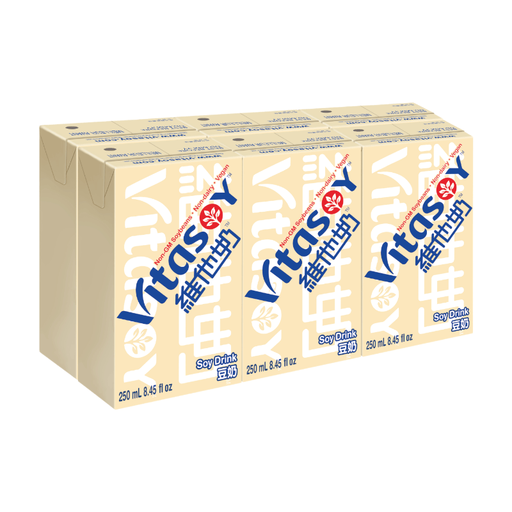
Why this fits the profile: Six 250 ml portions are practical for breakfast, on the go or chilled drinking without opening a litre carton straight away.
The portion size limits waste. However, do check the added sugar and soya allergen on the label.
250 ml per pack; according to the product information, 2.0 g protein per 100 ml; ready to drink.
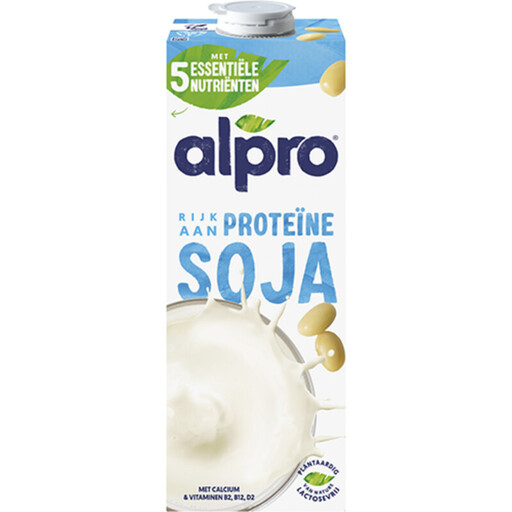
Why this fits the profile: A versatile litre carton for breakfast, smoothies or daily drinking, with clear nutritional information.
The product information lists the nutritional values, ingredients and allergens separately, so you don't have to rely solely on marketing language.
3.0 g protein and 39 kcal per 100 ml; enriched with calcium and vitamins according to the product description.
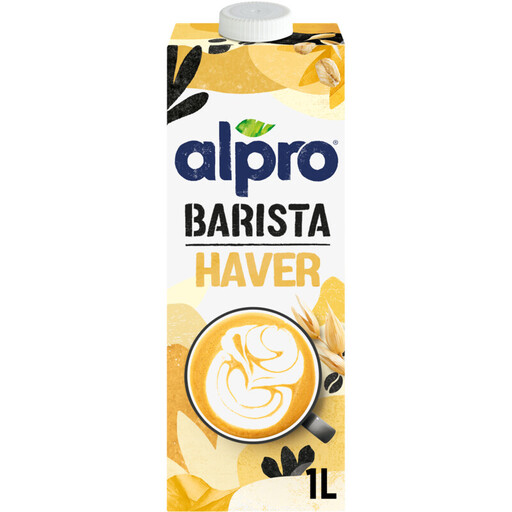
Why this fits the profile: Designed for cappuccino, latte and iced coffee where frothing is an important part.
The application is clearly defined: the product information mentions frothing for hot and cold coffee.
10% oats; 3 g fat and 0.8 g protein per 100 ml; suitable for hot and cold frothing according to the instructions.
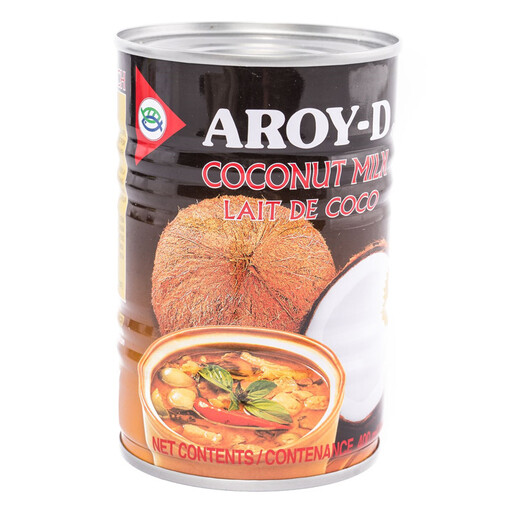
Why this fits the profile: A compact pack for curry, Tom Kha, sauces and other dishes that require coconut milk for cooking.
The fat percentage and application are clearly stated, so you won't confuse this with a light coconut drink.
19% fat per 100 ml; ingredients according to the product information: coconut extract and water.
We've put together a full, up-to-date list of products that fully meet these strict selection criteria and current European safety regulations.
Choose a variety labelled barista or with clear instructions for hot and cold frothing. Alpro Oat Barista and Oatly Oat Drink Barista Edition are developed for this according to their product information. The result also depends on your coffee machine, temperature and frothing method.
Always follow the label. Many UHT products need to be refrigerated after opening and used within the stated period. Seal the pack well and check the smell, taste and appearance before drinking. When in doubt, do not use the product.
No. Coconut milk for cooking often contains significantly more fat and is mainly used in dishes. A soya, oat or almond drink is generally intended for drinking, breakfast or coffee. Therefore, always check the fat percentage, ingredients and stated application before you order.
