
Vandaag of morgen in huis

Kwaliteit gegarandeerd

Welkomstaanbiedingen ontgrendelen: GRATIS bezorging | Tot 80% korting | Gratis 30 dagen JoyPlus-proefperiode
Download de app
Buying plant-based drinks seems straightforward until you look at the product information. Packaging featuring words such as “light”, “natural” or “high in protein” does not always tell the whole story. When comparing products online, you will usually want to know: how much sugar does it contain, which allergen is present, is it suitable for coffee or breakfast, and does a multipack make financial sense?
These practical checks help you quickly narrow down the options, from soya drink, almond drink and oat milk to coconut water and other vegan drinks. The selection below is based on verifiable product information such as ingredients, nutritional values, volume and pack size.
A vegan or lactose-free drink may contain added sugar. This is the case with some original soya drinks and Asian beverages, for example. So do not just look at the front of the pack. Check the line showing “of which sugars” and the ingredients list. If sugar, fructose or syrup appears high up the list, it is likely to have a noticeable impact on the flavour.
Also pay attention to the difference between “no added sugar” and “sugar-free”. These terms are not interchangeable. Coconut water naturally contains sugars, even when no sugar has been added.
A multipack of drinks is convenient for a family, office or sports bag, but compare the price per litre or per 100 millilitres. A box containing twelve 1-litre cartons also requires enough storage space. Smaller packs are more practical when you are out and about, but they may work out more expensive per litre.
Also check the shelf life and storage instructions. Unopened UHT products can generally be stored outside the fridge, according to the label. Once opened, most plant-based milk alternatives should be refrigerated and used within the stated period.
Compare the protein content per 100 millilitres. A soya drink may contain around 3 grams of protein per 100 millilitres, while a nut drink often provides considerably less. For products featuring a specific brand claim, remember that according to the brand’s own research, a product may be described as high in protein, for example. Always check the nutrition table on the packaging.
Start with the basics:
Allergens must be clearly shown on the label for consumers in the Netherlands. If you have a food allergy or intolerance, the label on the packaging delivered to you takes precedence. Online product information may change or be incomplete.
Compare the following per 100 millilitres:
For example, an unsweetened soya drink may contain 0 grams of sugar per 100 millilitres, while an original version may contain several grams. An unsweetened almond drink may be low in calories but also provide little protein. So choose according to how you intend to use it: in coffee, at breakfast, in smoothies or simply as a thirst quencher.
A 1-litre carton is better suited to everyday use at home. Individual 250 to 320-millilitre packs are handy for school, work or a picnic. For regular use, a multipack of drinks can make stock planning easier, as long as the price per litre and shelf life work for you.
For coffee, the product’s intended function is more important than flavour alone. A barista edition is generally formulated with frothing in mind, but the final foam also depends on the coffee machine, temperature and preparation method.
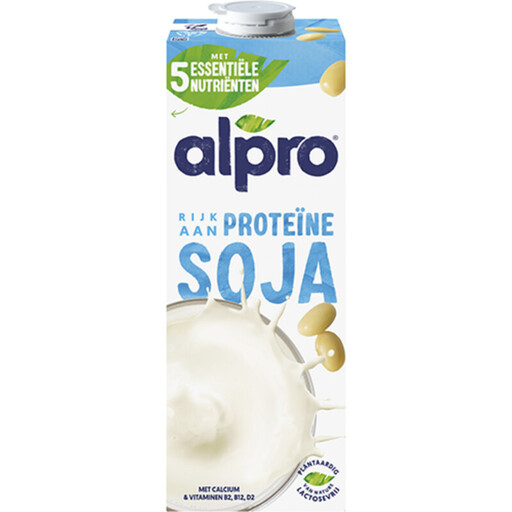
Why it suits this profile: A 1-litre carton is suitable for everyday use at breakfast, in smoothies or as a drink with a meal. The product information states that it contains 3.0 grams of protein and 2.5 grams of sugar per 100 millilitres.
The nutritional values and ingredients are available, making it easy to compare sugar and protein directly. Check the current packaging for allergen information.
1-litre capacity; a source of calcium and vitamins according to the product description; suitable for vegan and vegetarian diets according to the stated information.
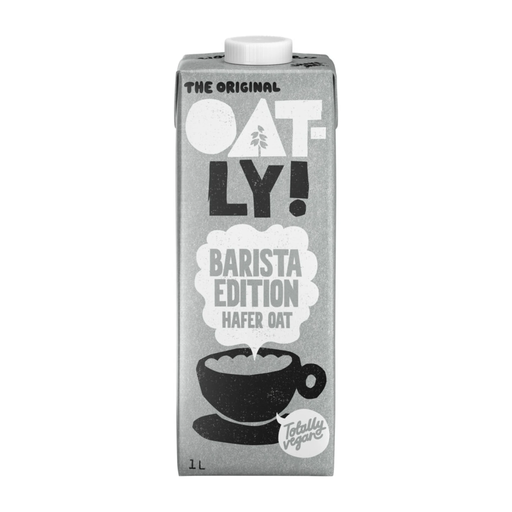
Why it suits this profile: According to the product description, this oat milk was developed for frothing and is a good fit for consumers who prepare plant-based coffee.
The barista specification makes its intended use clearer than a standard oat milk. However, the product contains oats, so check the allergen information.
1-litre pack; suitable for hot drinks; contains calcium, vitamin D2, B12 and riboflavin according to the product information.
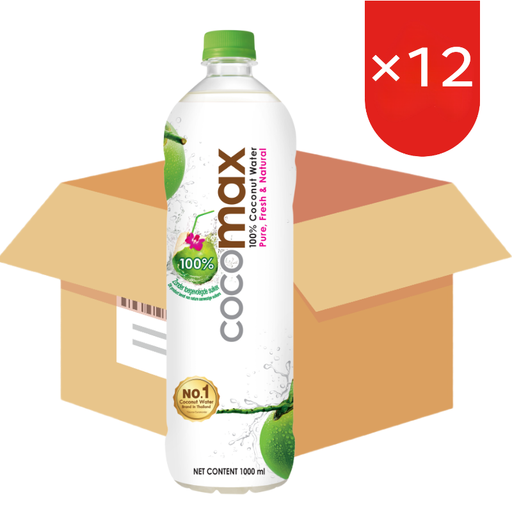
Why it suits this profile: The box contains twelve 1-litre cartons, making it ideal for keeping supplies at home, having a drink after exercise or serving at gatherings.
The product information states that it is 100% coconut water with no added sugar. However, it naturally contains 4.5 grams of sugars per 100 millilitres.
12 x 1 litre; 21 kcal per 100 millilitres according to the stated nutritional value; suitable for serving chilled, with ice or in smoothies.
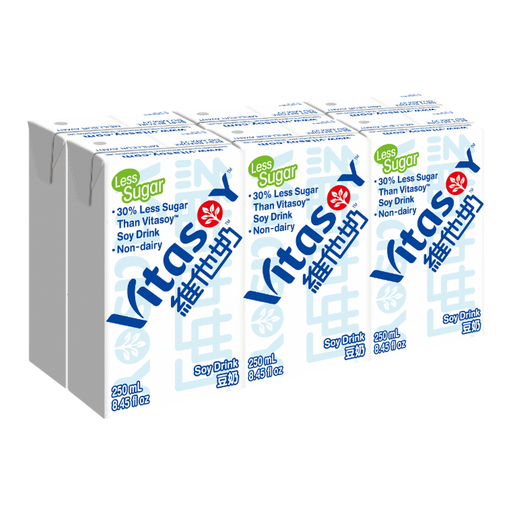
Why it suits this profile: Six individual 250-millilitre packs are practical for taking with you, having with lunch or serving chilled alongside Asian meals.
Here, “Less sugar” is supported by the stated 4.0 grams of sugars per 100 millilitres. The product still contains sugar and soya.
6 x 250 millilitres; 44 kcal per 100 millilitres according to the product information; individual portions and refrigeration after opening.
We have put together a complete, up-to-date list of products that fully meet these strict selection criteria and the applicable European safety regulations.
Soya drink, almond drink and oat milk are often used as alternatives to milk. Check the current packaging and allergen list for each product. Lactose-free does not automatically mean free from soya, nuts or gluten. If you have an allergy, the full ingredients information is more important than the product category.
Soya drink generally contains more protein than almond drink. According to the product information provided, Alpro unsweetened soya drink contains 3.3 grams of protein per 100 millilitres, while Melkan unsweetened almond drink lists 0.4 grams. Almond drink may offer a lighter flavour and have a low sugar content. Also compare the calcium and vitamin content, as well as the percentage of soya or almonds.
That depends on the price per litre, delivery costs and how much you actually use. Divide the total price by the total number of litres. A box of 12 x 1 litre is practical if you drink it frequently, but less suitable if you have limited fridge space or want to try different flavours. Separate small packs offer more flexibility, but are not always cheaper per litre.
