
Vandaag of morgen in huis

Kwaliteit gegarandeerd

Welkomstaanbiedingen ontgrendelen: GRATIS bezorging | Tot 80% korting | Gratis 30 dagen JoyPlus-proefperiode
Download de app
Plant-based drinks are now available in many varieties, from oat milk and soya drink to coconut water, coconut milk and vegan nut-based drinks. This wide choice is useful, but it also makes comparing products more difficult. Eye-catching packaging or the word “natural” does not always tell you anything about sugar content, protein, allergens or whether a product is suitable for coffee.
When looking for a lactose-free drink in the UK, people often focus solely on the absence of dairy. That is not enough. A product may be lactose-free but still contain gluten, soya, nuts or relatively high levels of sugar, for example. These checks will help you avoid making the wrong purchase.
Coconut water is a light drink that is usually consumed on its own, served chilled or added to smoothies. Coconut milk is much richer and is mainly used in curries, soups, desserts and sauces. The difference is clear from the nutritional values: Aroy-D Original Coconut Milk, for example, lists 19 grams of fat and 17 grams of saturated fat per 100 ml. That makes it suitable for cooking, but not automatically for everyday drinking.
Always check the product name and ingredients list. If you are looking for a base for a Thai curry, coconut milk is the more logical choice. For a refreshing drink, coconut water is a better fit.
Plant-based does not automatically mean free from added sugar. Vitasoy Original Soy Milk lists water, sugar and soya beans as its main ingredients. According to the product information, the lower-sugar version contains 2% sugar, but it still has a sweet taste.
Protein content also varies considerably. Almond drink generally contains little protein, while soya drink often has a higher content. So check sugars, protein, fat and salt per 100 ml, rather than relying solely on claims on the front of the pack.
Regular oat milk can be perfectly suitable for breakfast or smoothies, but it does not always froth in the same way as a special barista oat milk. According to the product description, Oatly Oat Barista Edition was developed for frothing and contains 10% oats, along with added vitamins and minerals.
Do you mainly use plant-based milk in cappuccinos, latte macchiatos or flat whites? Choose a variety that specifically mentions frothing as an intended use. Otherwise, you may pay extra for a feature you do not use when adding it to cold breakfast cereal.
Read the full ingredients list, particularly when choosing a lactose-free drink or vegan product. Look out for:
According to the product information, V-SOY Original Soy Drink contains soya and gluten from barley milk. SAHMYOOK Black Bean & Calcium Soybean Milk lists soya and wheat as allergens. Check the current label every time you buy, as ingredients can change.
Always compare products on the same basis. A serving pack may appear larger, while the nutritional value per 100 ml provides a fair comparison.
Pay particular attention to:
Melkan Unsweetened Almond Drink lists 0 grams of sugar and 0.4 grams of protein per 100 ml. Alpro Almond Drink lists 2.4 grams of sugar and 0.5 grams of protein per 100 grams. This difference shows why “almond drink” is not a fixed nutritional category.
For everyday use, 1 litre is practical, while 190 or 250 ml is convenient for travelling, work or a school bag. A multipack of 6 or 12 units may offer better value, but check the best-before date and how quickly you will use them.
Also pay attention to storage instructions:
Always follow the instructions on the packaging. The product page is useful for an initial comparison, but the label on the product you receive remains the definitive source.
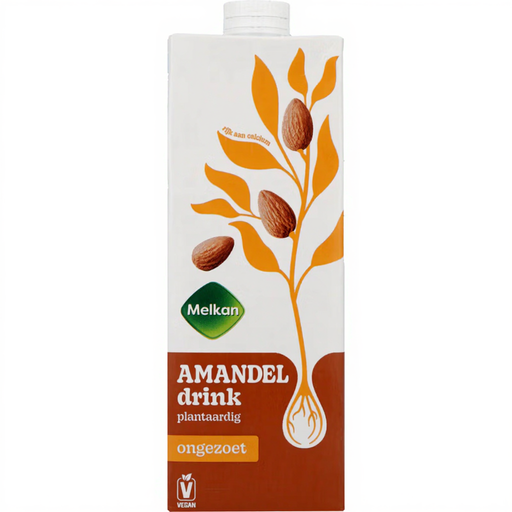
Why it suits this profile: An unsweetened almond drink in a standard-sized pack for breakfast, smoothies or a glass with your meal.
The product information lists 0 grams of sugar per 100 ml. This makes the difference compared with sweetened almond drink easy to verify.
1.2 grams of fat and 0.4 grams of protein per 100 ml; listed with calcium and vitamins B2, B12 and D2.
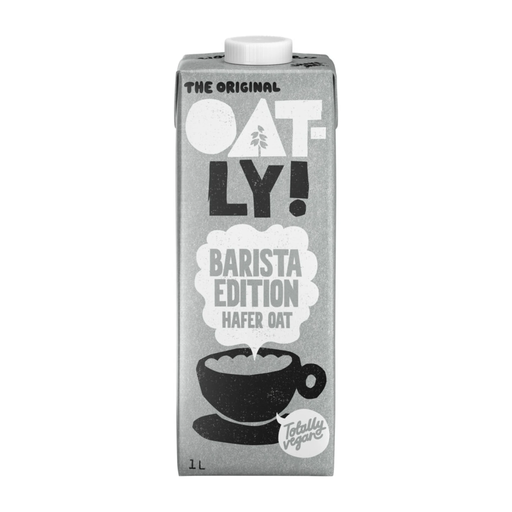
Why it suits this profile: Designed for coffee drinkers looking for a plant-based alternative that, according to the product description, was developed for frothing.
Its barista purpose is stated explicitly. This makes the choice less dependent on general claims about oat milk.
10% oats; 61 kcal and 3 grams of fat per 100 ml according to the product details.
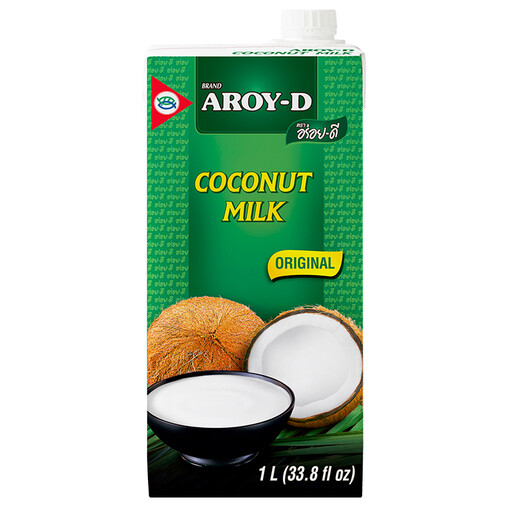
Why it suits this profile: For anyone who regularly prepares Asian drinks and dishes, such as curry, Tom Kha, desserts or smoothies.
The name coconut milk and the nutritional values make it clear that this is a cooking ingredient, not a light thirst quencher.
1 litre volume; 70% coconut extract, 19 grams of fat and 0.05 grams of salt per 100 ml according to the product information.
We have put together a complete, up-to-date list of products that fully meet these strict selection criteria and the applicable European safety regulations.
A barista oat milk is usually the most targeted choice for this, as the product information explicitly mentions frothing. Oatly Oat Barista Edition is one example. The final result also depends on your coffee machine, temperature and frothing method.
Soya drink often contains more protein than almond or rice drink, but always check the table per 100 ml. V-SOY lists 3.1 grams of protein per 100 ml. Vitasoy Original lists 2 grams per 100 ml. The recipe and brand therefore make a difference.
This varies by product. Many long-life plant-based milks and coconut waters need to be refrigerated after opening and used within the period stated on the packaging. Some small packs, for example, state that they should be consumed within 24 hours. Always check the label and store opened drinks in the fridge.
