
Vandaag of morgen in huis

Kwaliteit gegarandeerd

Welkomstaanbiedingen ontgrendelen: GRATIS bezorging | Tot 80% korting | Gratis 30 dagen JoyPlus-proefperiode
Download de app
A carton of plant-based drink might seem straightforward to choose at first glance. Yet almond drink, soya drink, oat milk and coconut water differ greatly in composition, taste and use. An attractive package or words like “natural”, “light” and “no sugar” don’t always tell the full story.
The most common pitfalls:
First, look at the nutritional information per 100 ml. That makes different packs comparable. Pay attention to:
Melkan Unsweetened Almond Drink, for example, states 0 g sugar and 0.1 g carbohydrates per 100 ml. The ingredients list contains water, 2% almonds, calcium, thickeners, salt and added vitamins. That makes this drink interesting for anyone looking for drinks without added sugar, but the low protein content of 0.4 g per 100 ml is also relevant.
Alpro Almond Drink contains 2.4 g sugar per 100 ml, and sugar is listed among the ingredients. “Light” or “low sugar” therefore doesn’t automatically mean sugar-free. With coconut water, sugars often come naturally from the coconut. Chaokoh 100% Pure Coconut Water, for example, states 4.2 g sugar per 100 ml, despite the ingredients listing 100% coconut water.
The nutritional value determines whether a drink suits your breakfast, coffee or daily routine. Soya drink generally contains more protein than almond drink. Alpro Unsweetened Soy Drink states 3.3 g protein per 100 ml, 0 g sugar and 120 mg calcium. The drink also contains vitamin B2, B12 and D2.
That makes soya drink practical for breakfast cereals, smoothies or cooking. Always check the label for allergies, though. The product information lists soya as an allergen; information about gluten can vary between packs or product variants.
Almond drink is often thinner and milder. Oat milk usually has more carbohydrates and a creamy texture. The addition of calcium and vitamins can vary by brand. Treat such information as a product specification, not a medical promise.
A 1-litre carton is well suited for home use, for example for coffee, porridge or pancakes. For drinks on the go, portion packs are more convenient. Vitasoy Soya Bean Milk comes in 6 x 250 ml. SAHMYOOK Black Bean & Calcium Soybean Milk has packs of 190 ml.
Check before buying:
With a multipack, the price per litre can be favourable, but you also need more storage space. For a household with multiple drinking occasions, a box can be handy. If you only drink coconut water or kombucha occasionally, it’s better to start with a smaller quantity.
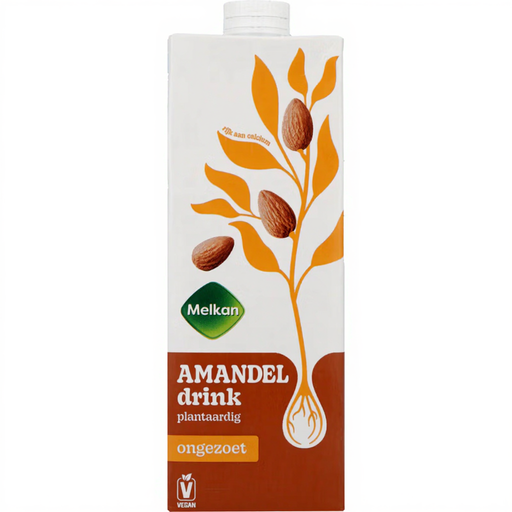
Why this fits the profile: A simple 1-litre format for breakfast, coffee or use in recipes. The stated nutritional information contains 0 g sugar per 100 ml.
The nutritional information and ingredients are clearly specified. You don’t have to interpret “unsweetened” by feel; the label states 0 g sugar per 100 ml.
1 litre content; 2% almonds; calcium and vitamins B2, B12 and D2 according to the product information.
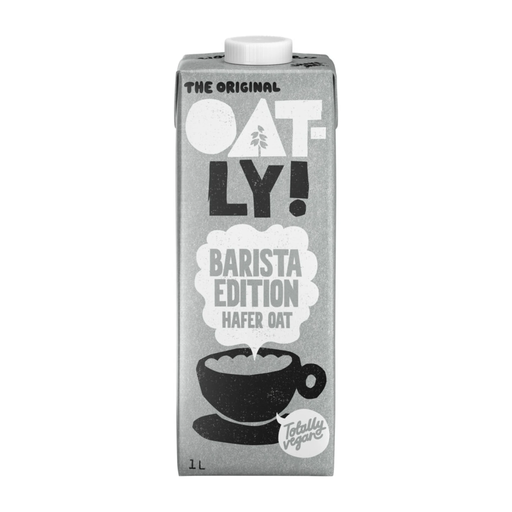
Why this fits the profile: Aimed at coffee lovers who want to froth their plant-based milk for cappuccino or latte.
The product description explicitly mentions its use for frothing. Do check the “gluten (oats)” statement if you’re looking for gluten-free drinks.
10% oats; developed for frothing; fortified with calcium, potassium iodide, vitamin D2, B2 and B12 according to the product specification.
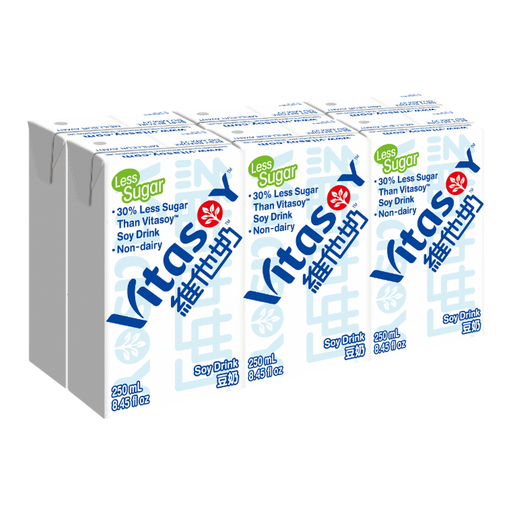
Why this fits the profile: Six individual 250 ml packs are practical for work, in a gym bag, at school or for a quick breakfast.
The portion size prevents an opened litre carton from sitting around for several days. Do note the stated 4.0 g sugar per 100 ml.
6 x 250 ml; 2.8 g protein per 100 ml; less added sugar than the classic variant according to the product description.
If you’re looking for more variety, you could also consider kombucha, coconut water and aloe vera drink. Nexba Ginger Lemon Kombucha states 0 g sugar per 100 ml and uses erythritol and steviol glycosides among other ingredients. The drink contains fermented kombucha and live cultures according to the ingredients list. That makes the taste choice different from plant-based milk, but the product is not a substitute for a nutritious meal.
With coconut water, the difference between variants is important. I AM Superjuice states 100% coconut water and no added sugar, while FOCO Roasted Coconut Water lists 99.2% coconut water, sugar and flavouring. OKF Aloe Vera Drink Sugar-Free is available in 500 ml and multipacks. Always check the full label: “sugar-free” doesn’t automatically mean a drink is low in calories or suitable for every dietary need.
For vegan drinks and lactose-free drinks, a clear statement on the packaging is helpful. For gluten-free drinks, extra checking is needed, especially with oat products. Recipes and labels can change, so use the packaging as your final check before consumption.
We’ve put together a full, up-to-date list of products that fully meet these strict selection criteria and comply with current European safety regulations.
Soya drink often contains more protein than almond drink or oat milk. The exact amount varies by brand. Check the nutritional information per 100 ml; Alpro Unsweetened Soy Drink states 3.3 g protein per 100 ml.
A drink based on soya, oat, almond or coconut is often lactose-free, but check the product statement and allergen information. “Plant-based” and “vegan” are not automatically the same when, for example, other additives or production facilities are mentioned.
That varies by product. Store opened plant-based milk and drinks in the fridge and follow the time stated on the packaging. Some products recommend consumption within a few days. Shake the carton before use if natural settling or separation may occur.
