
Vandaag of morgen in huis

Kwaliteit gegarandeerd

Welkomstaanbiedingen ontgrendelen: GRATIS bezorging | Tot 80% korting | Gratis 30 dagen JoyPlus-proefperiode
Download de app
If you’re looking to buy plant-based drinks, you’ll soon come across dozens of options: plant-based milk for breakfast, oat milk for coffee, soya drink for smoothies and coconut water for when you’re out and about. But eye-catching packaging doesn’t tell you much about the taste, ingredients or whether a drink suits your needs.
Look out for these three common pitfalls:
By checking the ingredients, nutritional values and packaging, you can choose more confidently from the range of vegan, lactose-free and organic drinks.
Don’t just look at the front of the pack: check the ingredients list too. For example, an oat drink’s ingredients list will show what percentage of oats it contains. B+ Oat Drink contains 12% oats, sunflower oil and salt. All the ingredients are listed as organic in the product information. The drink does contain gluten, which is important if you avoid it.
Soya drinks also need a closer look. Soya is a common allergen, and in addition to water and soya beans, a drink may contain sugar, oil, flavourings or stabilisers. According to the product information, an unsweetened option such as Alpro Unsweetened Soy Drink contains 0g of sugar and 3.3g of protein per 100ml.
Always check the current packaging. Recipes and allergen information can change.
Nutritional values per 100ml make it easier to compare drinks. Look out for:
Coconut drink and coconut water aren’t the same thing. According to the product information, FOCO Coconut Juice contains coconut extract and sugar, with 8.5g of sugars per 100ml. Some coconut water products are made mostly from coconut water, but may also contain fructose, fruit juice or vitamin C. So check the full ingredients list rather than relying on words such as “natural” or “tropical”.
A 1-litre carton is practical for use at home, at breakfast and in cooking. Multipacks of drinks may be more convenient for households with several people. For example, you could choose 6 cartons of 1-litre oat milk or 12 bottles of coconut water.
Also check the storage instructions:
If you have other dietary requirements, the gluten-free drinks range can be a useful place to start. Remember to check the allergen information on each product’s packaging too.
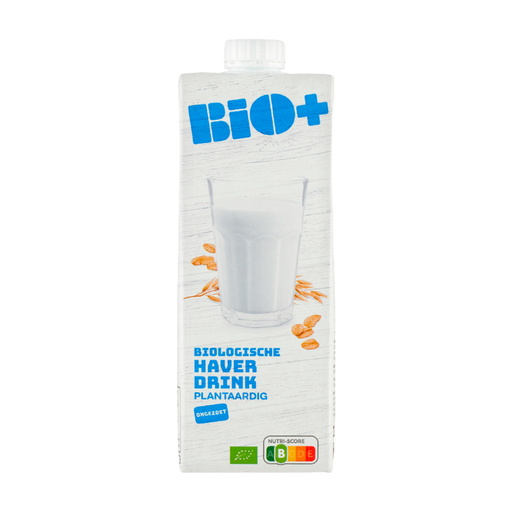
Why it suits this profile: This organic oat milk is suitable for everyday use in breakfast, smoothies or cooking. The 1-litre carton is a manageable size if you’re trying plant-based milk for the first time.
The ingredients list clearly states that it contains 12% oats and 4.5g of sugars per 100ml. That way, you know what you’re buying instead of relying on the wording on the pack.
Organic ingredients, a mild, creamy taste according to the product description, and 42 kcal per 100ml. Please note: this product contains gluten.
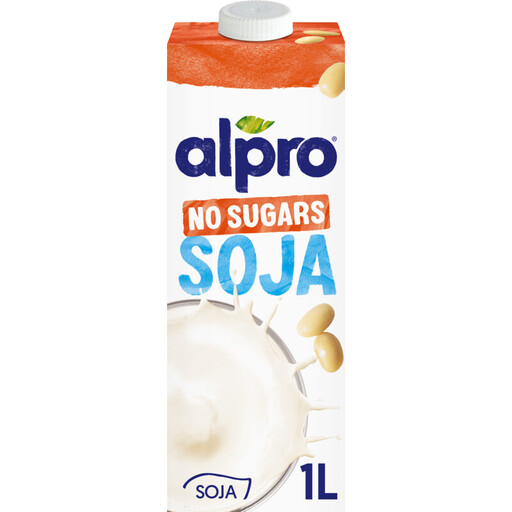
Why it suits this profile: According to the product information, this unsweetened soya drink is a good fit if you’re looking for a neutral base for breakfast, smoothies or hot drinks, without added sugar.
The nutritional information states that it contains 0g of sugar per 100ml. This helps you avoid unknowingly choosing a sweet drink just because it has a healthy image.
According to the label, it contains 3.3g of protein and 120mg of calcium per 100ml. The drink is plant-based and described as lactose-free.
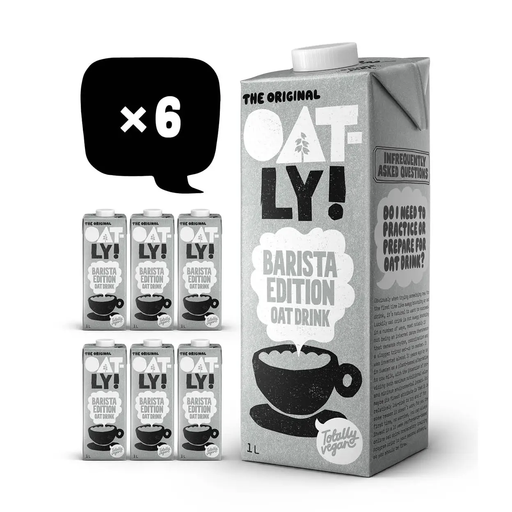
Why it suits this profile: According to the product description, this oat milk is designed for frothing. The box of six cartons is a good fit for households and coffee drinkers who regularly make cappuccinos or lattes.
You can choose a barista variety specifically, rather than standard oat milk, which may be less suitable for frothing.
According to the product information, it contains 10% oats, provides 61 kcal per 100ml and is fortified with calcium, vitamin D2, B2 and B12. Contains gluten from oats.
We’ve put together a complete, up-to-date list of products that meet these strict selection criteria and the applicable European safety regulations.
Many people choose barista oat milk for coffee. According to the product descriptions, these varieties are specially designed for frothing. Also check the taste, fat content and allergen information. You can use ordinary oat milk in coffee too, but it isn’t always designed to produce a good, firm foam.
Drinks made from oats, soya or coconut don’t naturally contain cow’s milk, but always check the label for milk ingredients and possible cross-contamination. Some products made with plant-based ingredients may contain other allergens, such as soya or gluten. So the term “plant-based” doesn’t replace checking the allergen list.
That depends on the price per litre, the shelf life and how much you use. Compare the total volume, for example 6 x 1 litre or 12 x 330ml, and work out the price per litre. A multipack is practical for everyday use, but less suitable if you want to try a flavour first.
