
Vandaag of morgen in huis

Kwaliteit gegarandeerd

Welkomstaanbiedingen ontgrendelen: GRATIS bezorging | Tot 80% korting | Gratis 30 dagen JoyPlus-proefperiode
Download de app
Plant-based drinks have long since expanded beyond just one type of dairy alternative. The range includes oat milk, soya drink, oat drink, matcha oat drink, plant-based protein drinks and international options such as malt drinks and Asian beverages. This broad choice is useful, but it can make comparing products more difficult.
Packaging terms such as “barista”, “natural” or “with vitamins” do not always tell you what you actually need in practice. So pay attention to the ingredients, nutritional values, allergens and when you plan to use the drink. That way, you can avoid buying a large pack that does not suit your coffee, breakfast or taste preferences.
Barista oat milk is generally formulated with frothing and heating in mind. A standard oat drink may taste perfectly good in coffee, but it may froth differently. So check the preparation instructions and product description. For example, Alpro Oat Barista states that it can be frothed hot or cold.
“Vegan” and “lactose-free” do not automatically tell you anything about sugar content, protein content or the allergen profile. A soya drink may contain more protein than an oat drink, for example, while a flavoured variety may contain extra sugar. Always check the nutritional information per 100 ml.
Also look out for other allergens. Oat drinks may contain gluten from oats, while soya drinks contain soya. Some Asian drinks may also contain cereals, peanuts or nuts.
Vanilla, banana and berry drinks are mainly suitable for drinking chilled or adding to a smoothie. For unsweetened coffee, porridge or savoury recipes, a neutral variety may be more practical. A product labelled “no added sugars” may still contain naturally occurring sugars, so check the complete nutritional information.
Use the values per 100 ml to compare products fairly. According to the product information, Alpro Soyadrink Original contains 3.0 grams of protein and 2.5 grams of sugar per 100 ml. Alpro Oat Drink Unsweetened lists 0.7 grams of protein and 0 grams of sugar per 100 ml. This makes the two drinks suitable for different preferences.
Flavoured varieties are generally sweeter. Alpro Soya Drink Banana contains 6.0 grams of sugar per 100 ml, for example, while the red berry drink also lists 6.0 grams of sugar per 100 ml. This may suit anyone looking for a sweet vegan drink, but it is less suitable if you are trying to limit your sugar intake.
First decide what you are buying the drink for:
Check whether the drink contains soya, oats, gluten, peanuts or nuts. Also look for added calcium and vitamins if these are important purchasing criteria for you. Claims made by brands about nutritional benefits should be read as information supplied by the manufacturer. According to Alpro’s own product information, several varieties are sources of calcium and vitamins; always check the label on the packaging before buying.
UHT packs can be stored unopened outside the fridge, in line with the product instructions. Once opened, a 1-litre carton should generally be kept refrigerated and used within the stated period. Shake the pack before use, as ingredients may settle.
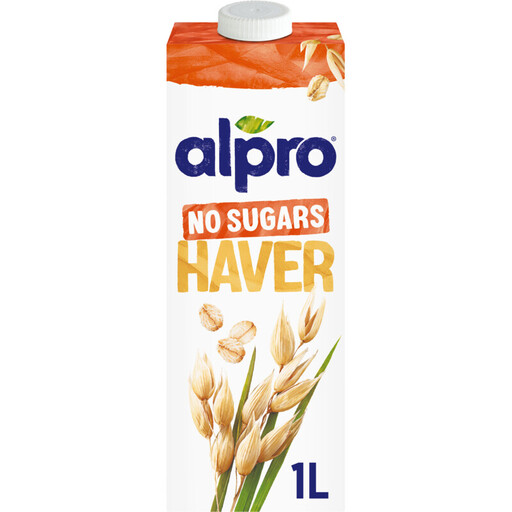
Why it suits this profile: A neutral oat drink for breakfast, smoothies and everyday use, with no added sugars or sweeteners according to the product information.
The nutritional information clearly states 0 grams of sugar per 100 ml. However, check the oat and gluten allergen profile.
44 kcal per 100 ml, 0 grams of sugar per 100 ml and fortified with calcium and vitamins according to the label.
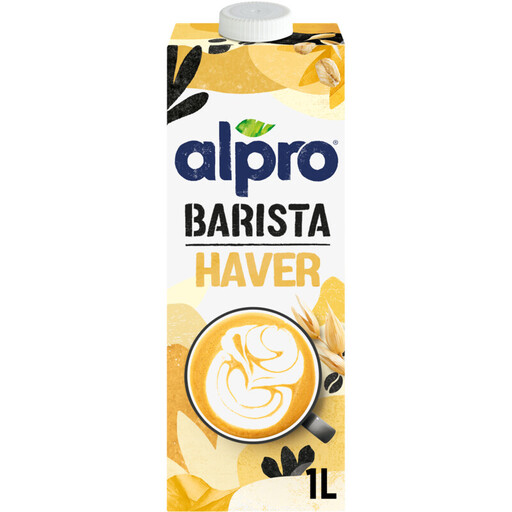
Why it suits this profile: Designed for coffee lovers who make cappuccinos, lattes or iced coffees with frothed oat drink.
The product description explicitly mentions hot and cold frothing. This makes its intended use clearer than that of a standard oat drink.
59 kcal and 3 grams of fat per 100 ml; naturally lactose-free and vegan according to the product information.
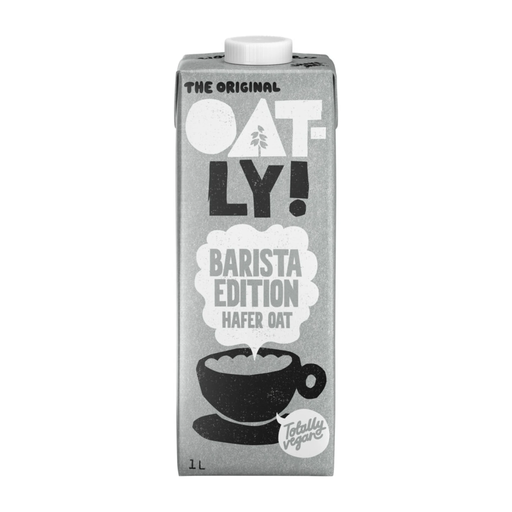
Why it suits this profile: A practical choice for anyone who makes coffee regularly and wants an oat drink developed for frothing, according to the description.
Its suitability for coffee is central to the product information. The nutritional values and ingredients can also be checked in advance.
10% oats, 61 kcal per 100 ml and fortified with calcium, vitamin D2, B2 and B12 according to the product details.
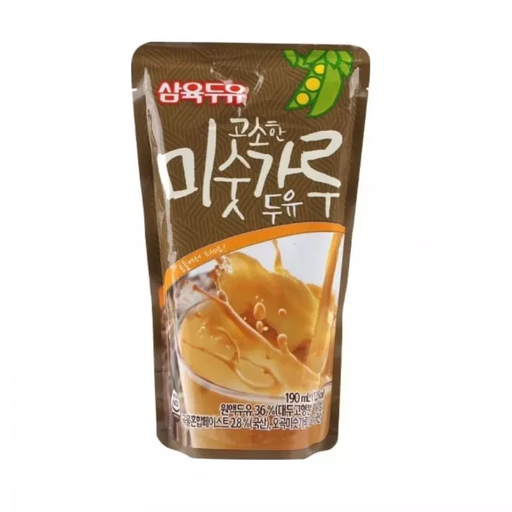
Why it suits this profile: The small pack is suitable for taking on the go, enjoying at breakfast or having chilled as a snack, with a roasted grain flavour.
The 190 ml portion means you do not have to buy a whole litre of a flavour you have not tried before. However, check the allergen information for soya and wheat.
Roasted grains, 3 grams of protein per 100 grams, and suitable for drinking chilled or heated according to the product description.
We have put together a complete, up-to-date list of products that fully meet these strict selection criteria and the applicable European safety regulations.
Look for a product that explicitly states that it is suitable for frothing. Barista oat milk, such as Alpro Oat Barista and OATLY Oat Drink Barista Edition, is developed for hot and cold coffee preparations according to the product information. The quality of the foam can also depend on the temperature, steam pressure and preparation method.
In this selection, soya drink generally contains more protein than oat drink. Alpro Soyadrink Original lists 3.0 grams of protein per 100 ml. That is not a reason to automatically choose soya: also consider the flavour, allergens, sugar content and intended use.
Store an opened carton in the fridge and follow the storage period shown on the packaging. Seal the carton properly and shake before use. The shelf life after opening varies by product, so do not rely solely on general guidelines. With small cans and portion packs, it is best to consume the drink immediately after opening.
