
Vandaag of morgen in huis

Kwaliteit gegarandeerd

Welkomstaanbiedingen ontgrendelen: GRATIS bezorging | Tot 80% korting | Gratis 30 dagen JoyPlus-proefperiode
Download de app
As a cat owner, you want a clean, healthy, and pleasant environment for both your cat and yourself. Switching to a plant-based cat litter is a logical step for anyone who values sustainability and natural materials. However, the market is filled with promises that aren't always kept. Many products look similar, but their performance can vary dramatically.
Before you invest in a new litter, it's wise to understand the common pitfalls. This will help you avoid disappointment and wasted money.
To avoid purchase regret, it's smart to look beyond the packaging. Pay attention to the following three specifications that determine the performance of a natural cat litter.
Plant-based litters are made from various raw materials, each with its own characteristics.
An effective clumping cat litter is the key to a clean litter box and a fresh-smelling home. The ideal clump is fast-forming, compact, and hard. This ensures the clump doesn't break during removal, keeping the rest of the litter clean. A high absorption speed means urine is instantly encapsulated, which minimises the spread of ammonia odour. Products based on cassava or high-quality tofu often perform well in this area.
A truly dust-free cat litter is a breath of fresh air. Look for products that explicitly state they have low dust content. This is not only better for respiratory health but also keeps your furniture and floors cleaner. The granule size affects "tracking"—the amount of litter your cat carries out of the box on its paws. Finer granules may be more comfortable for the cat, but larger, heavier granules stay in the box better.
Not every cat or owner is the same. That's why we've highlighted a few popular choices that suit different needs and households, based on their product specifications.
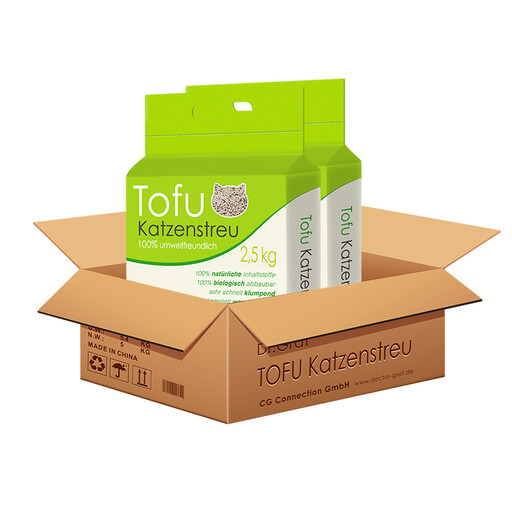
Why This Fits Their Persona: This user is looking for a simple, effective, and eco-friendly cat litter. Ease of cleanup and a clear, natural composition are priorities.
The product description clearly states it is flushable, avoiding the pitfall of ambiguity around disposal. Its 100% tofu composition ensures firm clumps that don't easily fall apart.
Made from 100% natural, biodegradable tofu. The manufacturer states the product is flushable for easy cleanup.
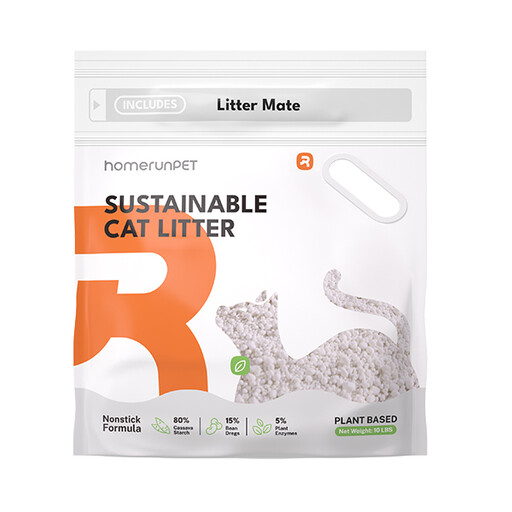
Why This Fits Their Persona: For this owner, the cat's health and comfort are paramount. A dust-free cat litter without chemical additives is a must. They are willing to invest in a premium product for a clean home and a happy cat.
This product tackles the "dust-free" pitfall by explicitly mentioning "Low Dust" and "soft on sensitive paws." The tapioca base is known for minimal dust production, which substantiates the claim.
Made from renewable tapioca material. The manufacturer highlights its fast, firm clumping and low dust content, ideal for sensitive cats.
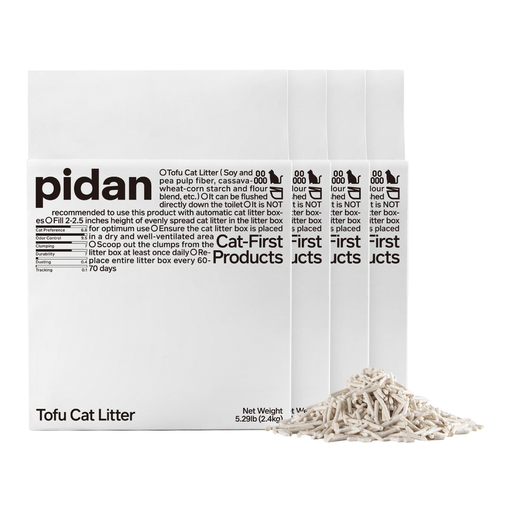
Why This Fits Their Persona: With multiple cats, strong odour control, efficient clumping, and good value for money are crucial. This user needs a product that can handle heavy use and is available in bulk.
This product addresses the pitfall of weak clumps by highlighting its "Strong clumping power." The bulk packaging (9.6 kg total) offers an economical solution for high-consumption households without compromising on performance.
Bulk pack of 4 bags (9.6 kg total). According to the manufacturer, its plant-fibre-based formula provides effective odour control and strong clumps.
We have compiled a complete, up-to-date list of products that meet these strict selection criteria and regulations.
While some manufacturers state their product is flushable, caution is advised. Always check your local municipal and water board regulations. If you decide to flush, do so in very small amounts at a time to prevent clogs. It's preferable to dispose of used cat litter in the residual waste, unless the product is explicitly certified as compostable for organic waste.
Cats are creatures of habit and may reject a sudden change. The best approach is a gradual transition. Over the course of a week, mix increasing amounts of the new natural cat litter with the old litter. Start with a ratio of 25% new to 75% old, and increase it every few days until the box is completely filled with the new litter.
The purchase price per bag may be higher than that of traditional clay or silica litter. However, many biodegradable cat litters are more economical in use. Thanks to superior clumping and absorption, you often need to discard less litter at a time, and a bag lasts longer. In the long run, the cost can be comparable or even lower.
