
Hosts catering for a range of guests
If not everyone likes the same flavour or type of grain, you can serve plain and wholegrain options separately. That way, guests can see which type of toast suits their topping and preferences.


If you’re expecting guests with different tastes and grain preferences, offering plain toast alongside a separate wholegrain option gives them more choice than serving just one type. Check the ingredients, allergen information and nutrition details on both packs, as well as the product format: wholegrain, multigrain and Melba toast are not the same thing, and none of these names means a product is suitable for every guest.
If not everyone likes the same flavour or type of grain, you can serve plain and wholegrain options separately. That way, guests can see which type of toast suits their topping and preferences.
Check the description on the pack and compare the fibre content per 100 g. The product name alone doesn’t tell you how much fibre the toast contains.
Check the current ingredients and allergen label for each type of toast. Keep products and serving utensils separate if your guests need you to.
First decide whether you want to offer both a plain and a wholegrain option. Then compare the specific packs for their nutrition information, allergens and how much toast you’ll need.
| What to consider | What to check when buying | Who it matters to |
|---|---|---|
| Choosing between plain and wholegrain | Check that you’re actually choosing both options; multigrain doesn’t automatically mean wholegrain. | If my guests have different tastes, I don’t want one strongly flavoured type of toast to be the only base for their toppings. For around 31% of consumers, having that choice comes first. |
| Wholegrain and fibre | Compare the product description and fibre content per 100 g on the pack. | I want to offer a recognisable option for guests who look for wholegrain or fibre, without imposing their preference on everyone else. Around 31% of consumers prioritise this nutritional profile. |
| Allergens | Read the current allergen label on each pack and use separate serving utensils if needed. | If a guest needs to avoid certain ingredients, I want to know which toast and toppings to keep separate. This is the main concern for around 23% of consumers. |
| Pack size and availability | Check the net weight, number of pieces and current availability of the option you want. | For a larger buffet, I want to be able to serve enough of the right type of toast without relying on a single pack size. For around 15% of consumers, this practical consideration matters most. |
Plain, multigrain and wholegrain are sold as separate types of toast. The name ‘multigrain’ alone doesn’t tell you whether it’s the wholegrain option you’re looking for.
Read the full product name and ingredients before labelling a platter as wholegrain.
The Van der Meulen Melba Toast Wholegrain described by Albert Heijn lists, among other ingredients, cereals containing gluten, sesame and soya. ‘Wholegrain’ doesn’t mean it’s suitable for guests who need to avoid these ingredients.
Check the current label on every product and prevent different types of toast from coming into contact via platters or serving utensils.
According to the Netherlands Nutrition Centre, baker’s salt contains more iodine than ordinary table salt. That doesn’t tell you which type of salt was used in a particular toast product.
If you want to know whether a product contains iodised baker’s salt, check the ingredients list on the pack.
Melba toast available in plain, wholegrain, multigrain and sesame varieties, among others, as listed in Albert Heijn’s range.
A retailer offering different types of savoury toast, including AH Melba Toast and varieties from Van der Meulen and Haust.
ALDI lists both toast and Melba toast under this own-brand label, for occasions including lunch and drinks with nibbles.
Lidl lists Party toast in plain and sesame varieties as an in-store product.
The wholegrain multigrain breakfast crackers are an alternative to toast, not a type of Melba toast.
For a buffet catering for different preferences, you could consider Melba toast as a base for toppings. The Cracotte and rice toast below are toast-style crackers: assess their format and label separately, and don’t consider them the same as plain or wholegrain Melba toast.
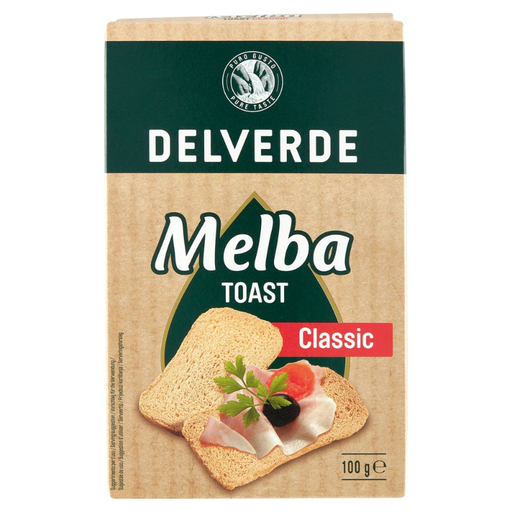 Image unavailable
You can serve this Melba toast as a base for buffet toppings; add a separate option labelled as wholegrain if you want to offer both choices.
Pack size: 100 g. If you have allergies, check the current label before serving.
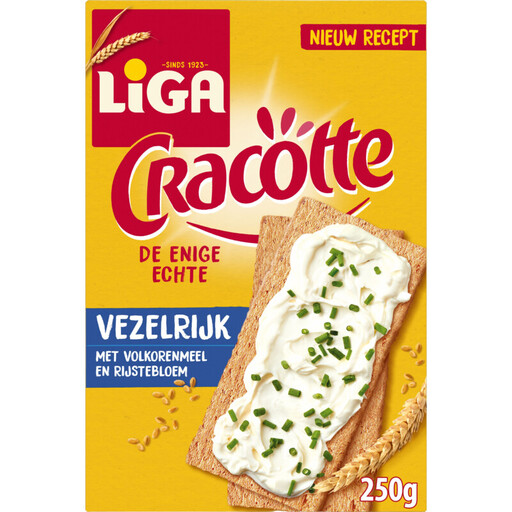 Image unavailable
This Cracotte is a cracker option for guests who would like a different base for their toppings; it isn’t Melba toast.
Pack size: 250 g. The available ingredients and allergen information is contradictory. Check the current label before offering this product to guests with allergies.
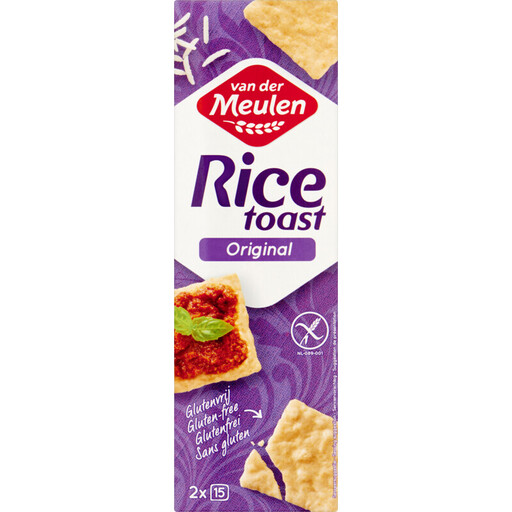 Image unavailable
This rice toast is a toast-style alternative for your buffet, but it isn’t a substitute for wholegrain toast.
Pack size: 65 g. The available allergen information about sesame and soya is inconsistent. If you’re catering for guests with allergies, rely only on a current label that you’ve checked carefully.
No. A wholegrain option may suit guests who prefer wholegrain or want more fibre, but flavour, format, salt and allergens all need to be considered separately. For example, the Van der Meulen Melba Toast Wholegrain described by Albert Heijn lists cereals containing gluten, sesame and soya.
No. Read the ingredients and allergen information on the current pack. The Netherlands Food and Consumer Product Safety Authority explains that allergens must be listed on the label, including the specific cereal in the case of cereals containing gluten.
No, don’t assume this is the case for an individual toast product. According to the Netherlands Nutrition Centre, baker’s salt contains more iodine than ordinary table salt. Check the product’s ingredients if you want to know which type of salt was used.
Store the toast according to the instructions on the pack, and don’t put moist toppings on it too far in advance. Jumbo advises storing Van der Meulen Melba Multigrain Toast in a cool, dry place. If you like, serve the toppings separately so guests can add their own.
The different options aren’t all sold in the same way. Albert Heijn shows savoury toast in its online range, while Lidl lists Party toast as an in-store product. Check how the option you want is available before planning your buffet.