
Livraison le jour même et le lendemain

Qualité garantie

Débloquez vos offres de bienvenue: Livraison GRATUITE | Jusqu'à -80 % | 30 jours d'essai gratuits à JoyPlus
Téléchargez l'application
A glossy vase, decorative figurine or colourful model often looks simple in a product photo. In practice, the choice of PLA silk filament can make a significant difference. The wrong diameter, a print speed that’s too high, or inadequate storage can result in a dull finish, visible layer lines, or a clogged nozzle.
This guide will help you – whether you’re a 3D printing enthusiast, hobbyist, maker or artist – to compare products with confidence. The focus is on verifiable properties such as diameter, spool weight, print settings and the intended use.
The silky finish comes from the filament’s composition and how light reflects off the surface. That doesn’t mean every print will automatically be highly glossy. According to eSUN’s product information, a speed that’s too high can reduce the gloss. The outer wall in particular deserves a lower speed than you’d use with standard PLA.
So a product photo showing a mirror-like finish is no guarantee you’ll get the same result with your printer, nozzle and slicer settings.
The most common size for many consumer printers is 1.75 mm. Always check this before buying a spool. A spool with a different diameter won’t work properly with an extruder set up for 1.75 mm.
Also pay attention to the maximum spool size that fits in or next to your printer. A PLA filament 1 kg spool contains a lot of material, but it also takes up more space than a smaller spool.
PLA silk is suitable for many decorative applications, but the glossy layer can be more sensitive to settings. According to eSUN’s product information, cooling with silk PLA is slightly less effective than with standard PLA. Overhanging parts may therefore need extra attention.
PLA is also not intended for applications involving prolonged high temperatures. Use this material mainly for decoration, models, art and hobby projects, and check the conditions the finished product will be exposed to.
First, check these points:
If you’re specifically looking for silk PLA filament 1.75 mm, don’t just rely on the product title. Also look at the technical information on the product page.
The right temperature varies by printer, nozzle, layer height and brand. Start with the temperature range stated by the manufacturer and, if in doubt, make a small test print. Pay attention to:
A test tower or small decorative object uses less material than printing a large vase straight away.
Moisture and dust can affect print quality. So store an opened spool sealed and as dry as possible. The eSUN product information mentions vacuum packaging with desiccant. For other brands, check whether the packaging and storage instructions are similar.
A spool that has been open for a long time can cause more stringing, irregular extrusion or a rough surface. That problem isn’t always down to the printer.
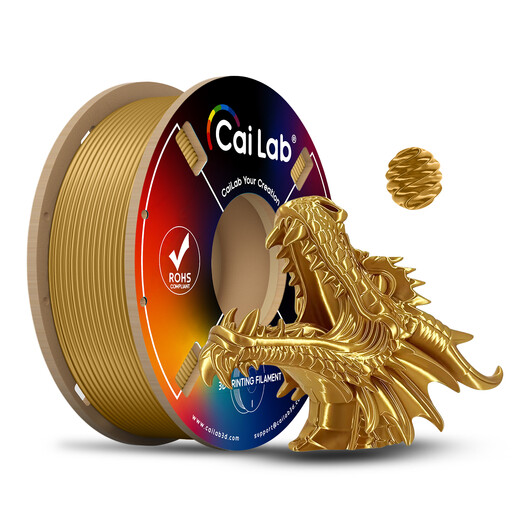
Why this fits the profile: Gold is suitable for decorative models, ornaments and small art projects where colour plays a clear role. Check the available diameter and packaging on the product page before purchasing.
The product variant makes the colour clear upfront. You can use a small project to see how the gold finish responds to your print speed and temperature.
Gold colour for eye-catching decorative 3D prints; single-colour version for predictable colour changes.
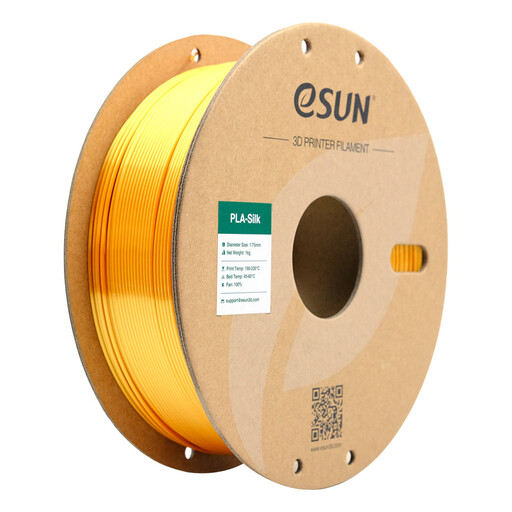
Why this fits the profile: This spool is aimed at users who want a fixed size, a full spool and a glossy surface for recurring decorative projects.
The stated diameter of 1.75 mm and weight of 1 kg make the basic choice verifiable. The manufacturer also mentions vacuum packaging with desiccant.
1.75 mm diameter; 1 kg spool; according to the product description, designed for a smooth, glossy finish.
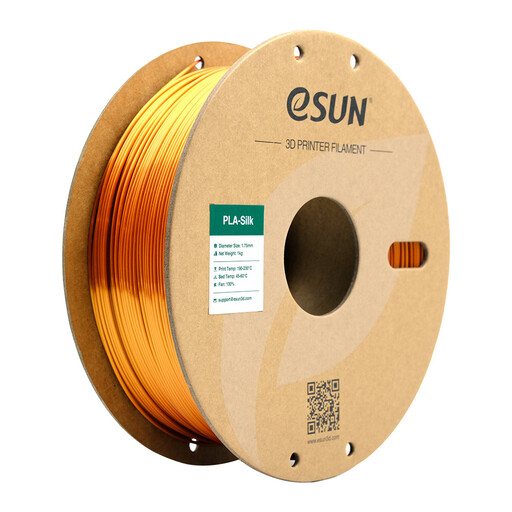
Why this fits the profile: Copper suits larger art objects, vases and models that need a warm, metallic look. The spool quantity is practical for multiple prints.
The product information warns that a high speed can reduce the gloss. So plan a test print and adjust the outer wall settings before printing a large object.
1.75 mm diameter; 1 kg spool; according to the product description, intended for art, craft projects and objects with a silky surface.
For a first trial, use a small model with a flat outer wall and a few details. That way you’ll quickly see whether the colour and gloss meet your expectations. Also pay attention to the following points:
For filament for decorative 3D prints, filament for art and hobby and a wider range of colourful PLA filament, it’s wise not to look only at the price per spool. Also compare the weight, diameter, packaging method and the settings the manufacturer recommends.
We’ve put together a full, up-to-date list of products that fully meet these strict selection criteria and current European safety regulations.
Not automatically. Check whether your printer supports PLA, what filament diameter is needed, and whether the spool fits in the holder. Many models in this segment state 1.75 mm, but check this per product.
A high print speed, incorrect temperature, insufficiently dry storage or unsuitable cooling can affect the result. According to eSUN’s product information, a speed that’s too high in particular can reduce the surface gloss. Start with a small test and adjust the outer wall settings.
Usability depends on storage, moisture, dust and how often the spool is used. Store the filament sealed, dry and out of direct sunlight. A spool that feels brittle or extrudes unevenly should first be dried or test-printed before you start a large project.
