
Vandaag of morgen in huis

Kwaliteit gegarandeerd

Welkomstaanbiedingen ontgrendelen: GRATIS bezorging | Tot 80% korting | Gratis 30 dagen JoyPlus-proefperiode
Download de app
A reel of PLA+ Bio filament for a 3D printer may seem straightforward to choose at first glance. However, small differences in diameter, storage and intended use can have a significant impact on print quality. A glossy colour or a label such as “Bio” does not automatically mean that the filament is suitable for every model, temperature or application.
For Dutch hobbyists, model makers, students and small businesses, three purchasing pitfalls are particularly important:
So, if you want to buy PLA filament, it is worth looking beyond just colour and price.
Many FDM printers use 1.75 mm filament, but this must be compatible with your printer and extruder. Also check whether the product page specifies a diameter tolerance. Consistent diameter helps keep the material feed stable.
Also pay attention to:
If a technical value is not clearly stated, do not fill it in yourself. Use the information on the product page or ask the seller to confirm it.
PLA+ filament is often chosen for decorative models, prototypes, display parts and light-duty functional objects. It is less suitable for parts that are exposed to heat, heavy mechanical stress or direct sunlight for extended periods.
The safety information for CaiLab PLA+ Bio variants states that the material is not intended for environments above approximately 55 °C. This makes it a practical choice for many indoor applications, but not automatically for:
A bio-based label does not change this temperature limit.
Store an opened reel of PLA plus filament in dry, airtight packaging with desiccant. Do not leave the reel in a damp cellar, garage or shed for extended periods. Allow the filament to reach room temperature before use and check that it unwinds smoothly from the reel.
When moisture is a problem, you will often notice:
A filament dryer can help if a reel has already absorbed moisture. Follow the manufacturer's temperature and time recommendations. Excessive drying temperatures can deform the reel.
Coloured PLA filament is primarily a choice based on appearance and identification. For prototypes, white, light grey or black can be useful, as details remain easy to see and post-processing is straightforward. For models, decorations and creative projects, orange, red, blue, pink or green may be more appealing.
Bear in mind that colours can vary between production batches, screens and light sources. For a larger project, order enough reels from the same offer where possible, or check the colour name on the product page in advance.
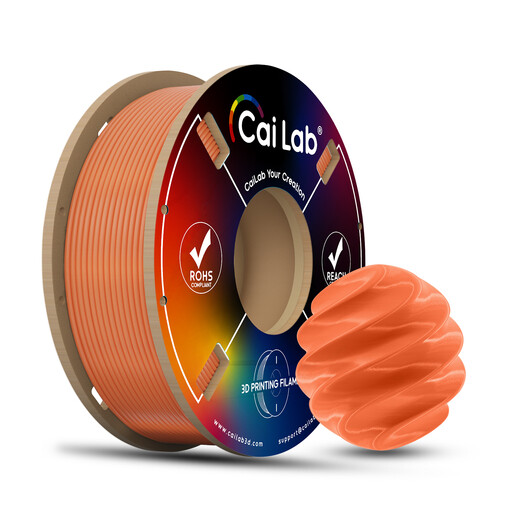
Why it suits this profile: A recognisable colour makes it easy for beginners to keep this reel separate for models, test prints and creative projects.
The material name makes it clear that this is PLA+ Bio; however, check the diameter, weight and recommended settings on the product page before use.
PLA+ Bio material according to the product name, with an orange colour for highly visible, decorative prints.
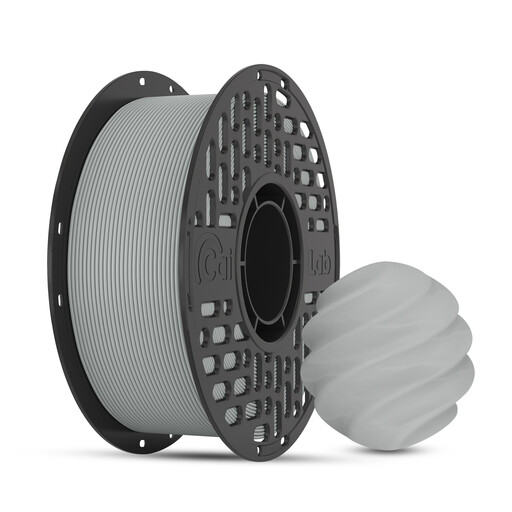
Why it suits this profile: Light grey is suitable for technical models, prototypes and parts where the shape and layer structure need to remain clearly visible.
The neutral colour prevents you from judging small model details solely by their bright finish. Check the technical specifications separately.
PLA+ Bio according to the product listing, with a light grey finish suitable for visual inspection.
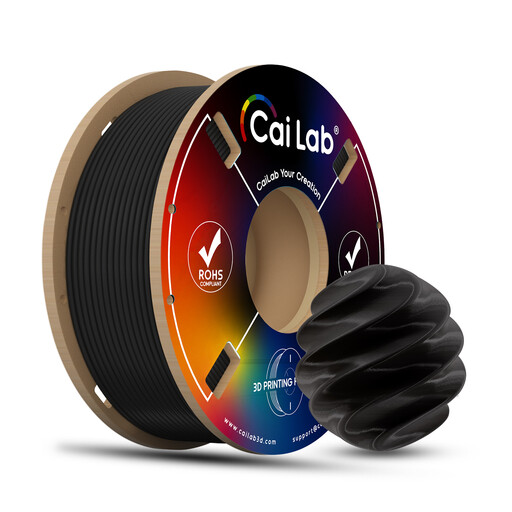
Why it suits this profile: Black filament is practical for housings, functional prototypes and models where a uniform appearance is preferred.
The safety information recommends storing it in a cool, dry place, ensuring ventilation and avoiding food contact. This suits careful, repeated use.
Black PLA+ Bio variant according to the product name, with clear usage warnings in the listing.
We have put together a complete, up-to-date list of products that fully meet these strict selection criteria and the applicable European safety regulations.
Not automatically. Check that your printer supports the correct filament format, usually 1.75 mm, and that the reel fits physically. Also check the recommended nozzle and bed temperatures on the product page. When using a new material, start with a small test model before beginning a long print.
Its lifespan depends mainly on storage and use. An unopened, properly packaged reel will generally remain usable for longer than one left in damp air for weeks. Store the filament in an airtight container with desiccant and reseal the packaging after every print. Look out for changes in sound, surface finish and layer adhesion.
The term “Bio” or “bio-based” does not, by itself, indicate how quickly a product breaks down or where it may be disposed of. Check exactly which claims the manufacturer substantiates and follow local Dutch waste disposal rules. Offcuts and failed prints do not automatically belong in food waste. A PLA print is also not suitable for food contact without the correct certification; the CaiLab warnings mentioned above rule out this use.
