What should you look for when choosing?
Existing four-star freezer compartment
Suitable if: the wrapped dough balls fit inside and you don’t need any extra freezer space.
Bear in mind: check both the star rating and the space actually available.
Compact freestanding freezer
Suitable if: your existing space is limited and you mainly store smaller portions and other food.
Bear in mind: a table-top model isn’t automatically NoFrost or suitable for a cold shed; compare the exact model specifications.
Larger upright freezer
Suitable if: you want to freeze a larger stock of food regularly, as well as dough.
Bear in mind: measure the space where you plan to put it and compare annual energy consumption for a capacity that suits your needs.
Chest freezer
Suitable if: you regularly freeze large quantities and have enough floor space, and a top-opening design works for you.
Bear in mind: check that small, individually wrapped dough balls will still be easy to reach.
Short-term storage in the fridge
Suitable if: you’ll use the risen dough within a few days and the storage instructions allow it.
Bear in mind: this isn’t an alternative for longer-term storage; follow the instructions for your dough.
| Consideration |
What should you check? |
Who is this most important for? |
| Freezing fresh dough |
Check for a four-star rating and measure whether the wrapped dough balls will fit in the compartment or drawers. |
If I want to freeze fresh dough balls and take them out one portion at a time, I check the star rating and available space. Around 29% of consumers have this as their main priority. |
| Space to accommodate the freezer |
Measure the available space and compare the external dimensions and layout with your containers. |
When space is limited, I first want to know whether the appliance will fit and whether its drawers can hold my containers. Around 24% of consumers focus mainly on the space available. |
| Annual energy consumption |
Compare the kWh per year on the EU energy label for models with a suitable capacity. |
If the freezer will be running when I’m not making pizza, I want to match its capacity to the amount of food I keep and compare the stated energy consumption. Around 23% of consumers put energy consumption first. |
| Cold location |
Measure the winter temperature and check the minimum ambient temperature for the exact model you’re considering. |
If I’m putting it in an unheated shed or garage, I want to know whether the model’s temperature specifications are suitable for that location. Around 12% of consumers have this as their main requirement for where they place it. |
| Defrosting and maintenance |
Check whether the exact model has NoFrost or needs manual defrosting. |
If I want to spend as little time as possible on maintenance, I check whether the model helps prevent ice build-up. Around 12% of consumers prioritise ease of maintenance. |
The Consumers’ Association distinguishes between freezer compartments with different star ratings: a four-star compartment is suitable for freezing fresh food, while compartments with one to three stars are mainly intended for storing food that has already been frozen. Milieu Centraal also recommends taking stated energy consumption into account when you’re considering an additional appliance.
Freezers at Joybuy
These Joybuy products range from compact freezers to larger upright models for anyone who stores other frozen food as well as dough. For each model, check whether its four-star freezer compartment is suitable for fresh dough and whether the temperature where you plan to keep it falls within the product specifications.
 No image available
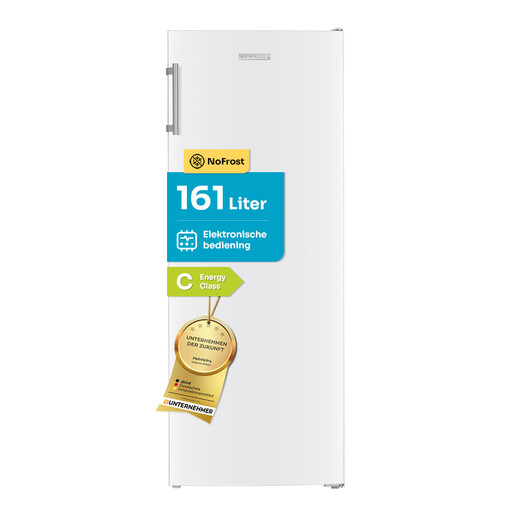
Heinrich´s freezer, 161 l
An option if you want to store other frozen food as well as dough and NoFrost is important to you.
The description lists a capacity of 161 l, three drawers, two shelves, NoFrost and energy class C.
View at Joybuy
 No image available
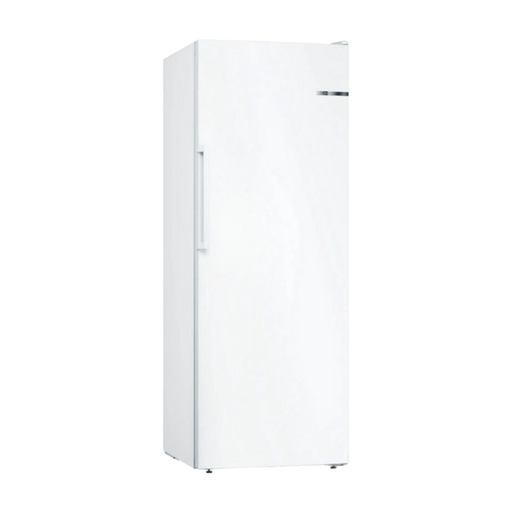
Bosch Series 4 GSN29VWEV
A larger upright freezer to consider if you store other frozen food as well as dough.
The description lists a capacity of 200 l, NoFrost, SuperFreeze, VarioZone and a BigBox drawer. It also states a freezing capacity of 16 kg per 24 hours.
View at Joybuy
 No image available
Frilec BREMEN138-NF-050DW
A compact table-top model to consider if you need four-star freezer space and want to avoid manual defrosting.
The description lists a four-star setting, a capacity of 87 l, NoFrost and a freezing capacity of 5 kg per 24 hours. Its external dimensions are 84,5 × 55 × 59,5 cm; the stated ambient temperature range is 10 to 43 °C.
View at Joybuy
 No image available
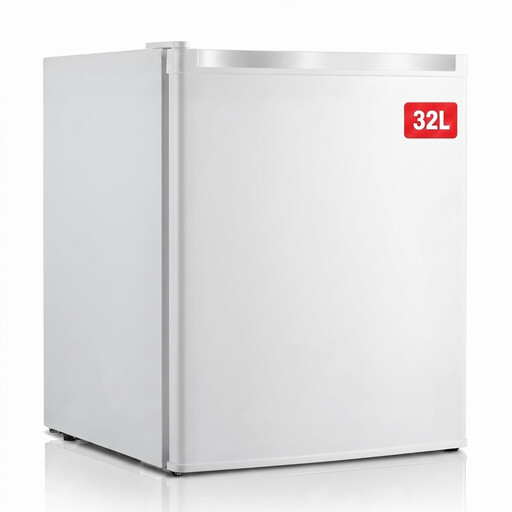
Mini freezer, 32 l
The compact size could suit you if space is limited; before using it for fresh dough, check whether the freezer compartment has a four-star rating.
The title lists a reversible door and a noise level of 43 dB. The description mentions seven temperature settings and a range of −10 to −22 °C.
View at Joybuy
 No image available
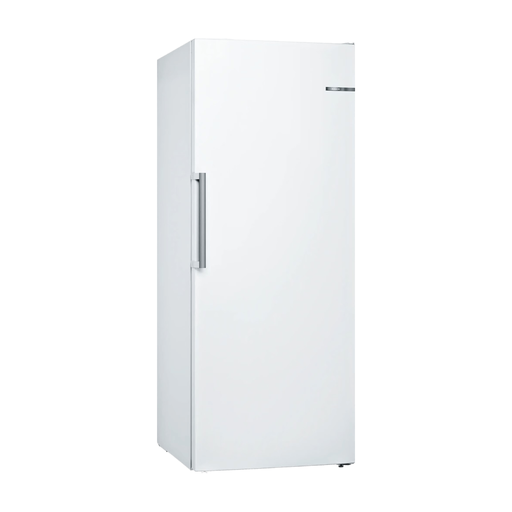
Bosch Serie 6 GSN54AWCV, 328 l
This larger upright freezer is mainly worth considering if you store a large supply of food as well as dough; it may have more capacity than you need for a few batches of weekend dough.
The description lists a capacity of 328 l, No Frost, energy class C and annual energy consumption of 170 kWh. It mentions adjustable shelves and drawers, including a Big Box.
View at Joybuy
Frequently asked questions
Can you freeze fresh pizza dough in a small freezer compartment?
Yes, if the freezer compartment has a four-star rating and the wrapped portions fit inside. According to the Consumers’ Association, compartments with one to three stars are mainly intended for food that has already been frozen, so check the star rating, not just the temperature.
When should you take the dough out of the freezer for a weekend lunch?
Take it out in good time so it can defrost slowly in the fridge. SOTTO Pizza recommends storing dough balls individually and wrapping them well; how long they take depends on the size of the ball and its wrapping. The Netherlands Nutrition Centre recommends using the fridge to defrost pre-prepared meals, but this doesn’t give a set defrosting time for pizza dough.
Can you keep a freezer in an unheated shed?
That depends on the temperatures in the space and the specifications of the exact model. The Consumers’ Association explains that suitable ambient temperatures vary by model; Beko states that the FNE1074N can operate at temperatures as low as −15 °C. Measure the temperature in the space and check that it’s within the stated limits.
How do you compare the energy consumption of freezers?
Compare the stated kWh per year on the EU energy label for models with a capacity that suits your needs. Milieu Centraal points out that a second refrigeration appliance uses extra electricity; your eventual costs also depend on your electricity tariff and how you use it.
Do you need an extra freezer if you’re using the dough this weekend?
Not necessarily: SOTTO Pizza suggests using the fridge for risen dough that you’ll use within a few days. Follow the storage instructions for your dough and first check whether you need your existing freezer space for other food.


