
Planning ahead for pizza night
You want to freeze dough balls in advance and use them individually later. Ooni recommends storing pizza dough in separate containers.


Choose a fridge freezer with a 4-star freezer compartment and drawers that fit individually packed dough balls. The Consumers' Association says a 4-star freezer is suitable for freezing fresh food. Then compare the space available in your kitchen, annual energy consumption in kWh and whether No Frost is right for you.
You want to freeze dough balls in advance and use them individually later. Ooni recommends storing pizza dough in separate containers.
You want to store dough and other frozen food without choosing a model that won’t fit in the available space. The Consumers' Association recommends considering both size and layout.
You’re buying an appliance for your regular shopping and want to weigh up capacity, annual energy consumption and maintenance. The energy label shows, among other things, consumption in kWh per year.
Start by checking that the freezer is suitable for freezing fresh dough and has enough room for your portions. Then compare the size, annual energy consumption and how much maintenance you’re happy to do.
| What to consider | What should you look for? | Who is this most important for? |
|---|---|---|
| Freezing fresh dough | Check that the freezer compartment has a four-star rating and that you can store the dough balls separately. | If you freeze fresh dough yourself, you’ll want to know whether the freezer compartment is suitable. Around 33% of consumers put the ability to freeze fresh dough first. |
| Space for portions | Compare the freezer capacity in litres, the shape of the drawers and the space available for the appliance. | If you want to store several dough balls alongside your usual frozen food, you’ll benefit from drawers that fit your containers. Around 27% of consumers give space for portions and groceries their highest priority. |
| Annual energy consumption | Check the kWh per year alongside the energy rating, and compare appliances of a suitable size. | If you use the fridge freezer every day, you’ll want to factor in energy consumption without opting for extra capacity you don’t need. Around 20% of consumers put annual energy consumption first. |
| Freezer maintenance | Check whether the specific model has No Frost in the freezer compartment. | If you’d rather not defrost the freezer manually from time to time, you can consider No Frost, but still check that the freezer is suitable for your needs. Around 20% of consumers give ease of maintenance their highest priority. |
A three-star freezer compartment can reach −18 °C, but that doesn’t automatically mean it’s suitable for freezing fresh food. The Consumers' Association distinguishes between storing frozen food and freezing fresh food.
Check the star rating of the specific freezer compartment and choose a four-star model if you want to freeze fresh pizza dough yourself.
The total capacity, and even the number of litres in the freezer, won’t tell you whether your individual dough containers will fit in the drawers.
Compare the freezer capacity and check the drawer dimensions against your containers. Also measure the space available in your kitchen.
An energy rating alone doesn’t tell you how many kWh an appliance uses in a year. Energy consumption can also vary depending on the size of the appliance.
Compare the consumption in kWh per year and choose a capacity that suits the amount you normally store.
Beko lists a 4-star freezer compartment and No Frost for the B5RCNE366HG model.
Bosch lists a freezer capacity of 103 litres, No Frost and external dimensions of 2030 × 600 × 665 mm for the freestanding KGN392LAG.
For the Dutch RB38C7B6A39/EF, Samsung lists a capacity of 390 l and external dimensions of 595 × 2030 × 658 mm.
According to the manufacturer, the Liebherr CNc 5203 Pure NoFrost has a total capacity of 330 l and NoFrost.
This selection includes fridge freezers with different layouts. Check each model individually to make sure the freezer compartment has a four-star rating before freezing fresh pizza dough in it.
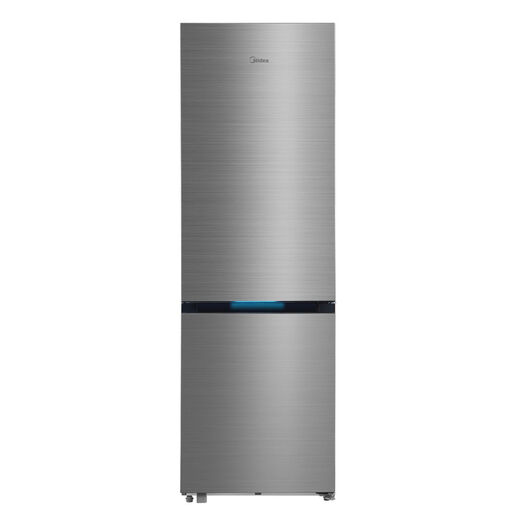 Image unavailable
An option to consider if No Frost is important to you; for fresh pizza dough, check whether the freezer compartment has a four-star rating and whether your containers will fit.
The product name lists 442 l, a C energy rating, No Frost and Wi-Fi.
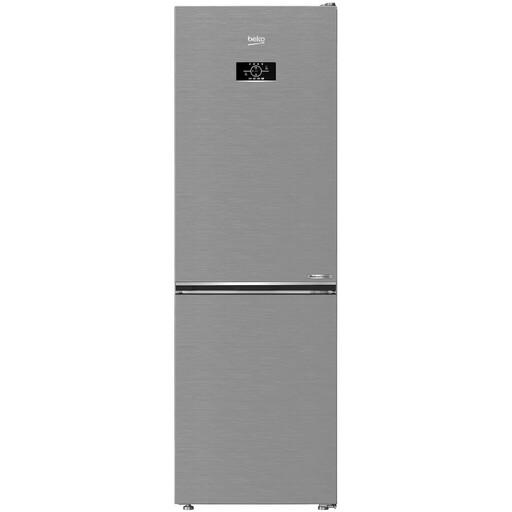 Image unavailable
A model to compare if you want to freeze fresh dough; check that the freezer drawers have room for your individually packed portions.
The product name lists 316 l, No Frost and a C energy rating.
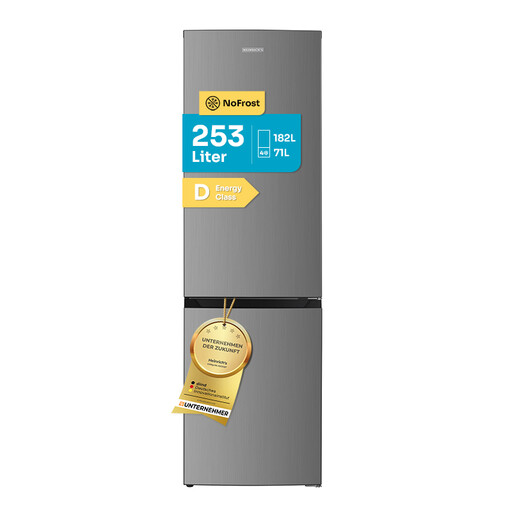 Image unavailable
An option to compare if you’re looking for No Frost and a separate freezer compartment; for fresh dough, check that the freezer compartment has a four-star rating.
The product name lists 182 l of fridge capacity, 71 l of freezer capacity and No Frost.
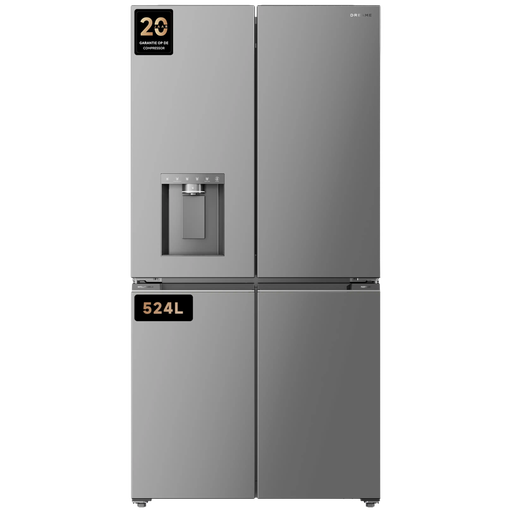 Image unavailable
A model to consider for freezing fresh pizza dough; check that the freezer layout has room for your individual containers.
The product name lists four doors, No Frost, Wi-Fi and an E energy rating. The stated external dimensions are 91,1 × 69,3 × 183 cm; measure the space available for the appliance.
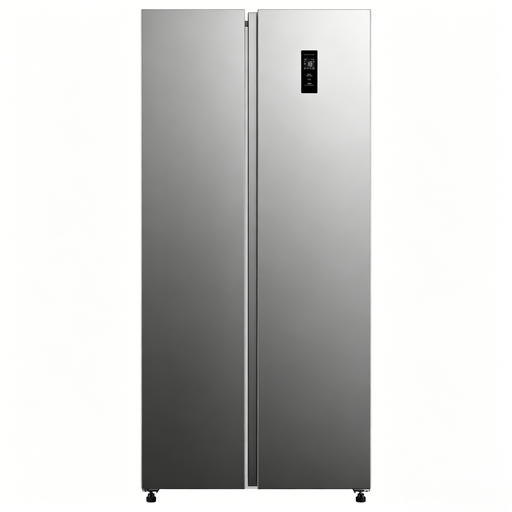 Image unavailable
A model to compare if you’re looking for extra freezer space; make sure the freezer compartment has a four-star rating before freezing fresh dough in it.
The product name lists a width of 83 cm, 276 l of fridge capacity, 168 l of freezer capacity, No Frost and an E energy rating.
No, temperature alone isn’t enough. According to the Consumers' Association, a three-star freezer compartment can reach −18 °C, but it’s intended for storing food that has already been frozen. For fresh dough, choose a 4-star freezer compartment.
For classic dough recipes made with flour, water, raising agent and salt, Ooni recommends freezing individual dough balls in lightly oiled, sealable containers. Ooni describes defrosting the dough in the fridge from the day before baking; if you’re using a different recipe, follow its own instructions too.
The Netherlands Nutrition Centre recommends setting your fridge to 4 °C and checking the temperature with a fridge thermometer. Also follow the defrosting instructions for your dough recipe.
Compare the kWh per year shown on the energy label. If you like, you can multiply that figure by your own electricity tariff per kWh. Make sure you’re comparing appliances with a capacity that suits your needs.
In the Netherlands, fridges and freezers must have an energy label. Consumer purchases are covered by the statutory guarantee; according to the Dutch government, if there’s a problem, contact the retailer, not just the manufacturer.