
Making a large batch of dough
You prepare lots of portions in advance and want to know how much fresh dough you can freeze within your schedule.


Choose a freezer that can be set to at least −18 °C, then compare the space for your packaged portions with its freezing capacity per 24 hours. A chest freezer may suit several portions at once, while drawers make portions easier to find. Also check where the freezer will go and its annual energy consumption.
You prepare lots of portions in advance and want to know how much fresh dough you can freeze within your schedule.
You need extra freezer space for the neighbourhood meal and want to store portions neatly without squeezing in an awkward appliance.
You want to put the freezer somewhere other than a heated kitchen, so you need to check the ambient temperature range allowed for your chosen model.
Suitable for: freezing several portions of dough at once, if you have room to open the lid fully.
Bear in mind: portions at the bottom may end up underneath other food, so you may need to stack and search.
Suitable for: a small floor area and portions you want to keep separate in individual drawers.
Bear in mind: check that the internal drawer dimensions will fit your dough trays and packaging.
Suitable for: regularly freezing larger quantities of fresh dough and being able to take out portions separately.
Bear in mind: check the required height and the external and internal dimensions. Also make sure the model can reach −18 °C.
Start with the batch you want to freeze in one day and the temperature you need. Then assess the layout, location and energy consumption of models that meet those requirements.
| Buying consideration | What should you look for? | Who this matters to |
|---|---|---|
| Freezing capacity | Compare the batch weight with the stated capacity in kg per 24 hours. Check that the appliance can reach −18 °C, as advised by the Voedingscentrum. | If I want to freeze a lot of fresh dough in one day, I want to know whether the capacity suits my batch. Around 33% of consumers prioritise freezing capacity for their preparation day. |
| Finding portions | Compare drawers, baskets and usable internal dimensions. Check that your packaging or dough trays will fit. | I want to find portions quickly while preparing and serving, without having to move everything around. That is why around 27% of consumers prioritise an organised layout. |
| Location | Measure the space and allow room to open the door or lid. Check the permitted ambient temperature for the exact model. | If my freezer needs to go in the kitchen, shed or garage, I want to be sure it will fit and can be used there. Around 20% of consumers give the location the greatest weight. |
| Energy consumption | Compare the stated annual consumption in kWh for models that otherwise suit your batch and location. Milieu Centraal also recommends choosing a suitable size. | If I will rarely use the freezer after the neighbourhood meal, I want to take the energy consumption of an extra appliance into account. Around 20% of consumers prioritise energy consumption and long-term use. |
The capacity in litres does not tell you how much fresh dough the freezer can freeze within 24 hours, according to the manufacturer. A large batch can also raise the temperature of food that is already frozen.
Weigh your planned batch and compare it with the stated freezing capacity in kg per 24 hours. If necessary, spread the freezing over several days and check that your packaging will fit.
The permitted ambient temperature can vary by model. A suitability statement for one model does not automatically apply to other freezers from the same brand.
Check the minimum permitted ambient temperature for your chosen model, and measure the space needed to open the door or lid.
The rating on its own does not tell you a model’s annual energy consumption.
Compare the stated consumption in kWh per year for models that suit your batch and location.
Examples of compact chest freezers and under-counter models with drawers, if layout or location is an important factor.
Freestanding upright freezers such as the GSN29VWEP are worth considering if you want a drawer layout or greater freezing capacity.
The CFd 2085 Plus is an example of a larger chest freezer. Consider whether it suits the floor space available and your storage needs.
A compact chest freezer could be another option if it suits the floor space available and the amount you want to store.
These product picks focus on freezer space for dough portions and freezing larger batches. Check that the temperature settings of each model suit your needs.
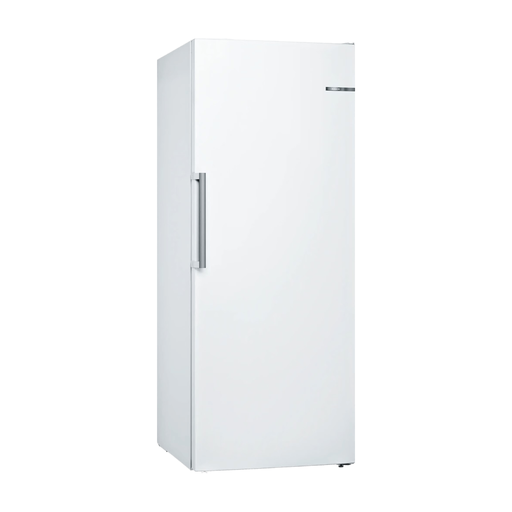 Image unavailable
The stated freezing capacity may be useful if you want to freeze a larger batch in one day. Check whether this model can reach −18 °C.
Capacity: 328 litres. Freezing capacity: 23 kg per 24 hours. No Frost. External dimensions: 1760 × 700 × 780 mm.
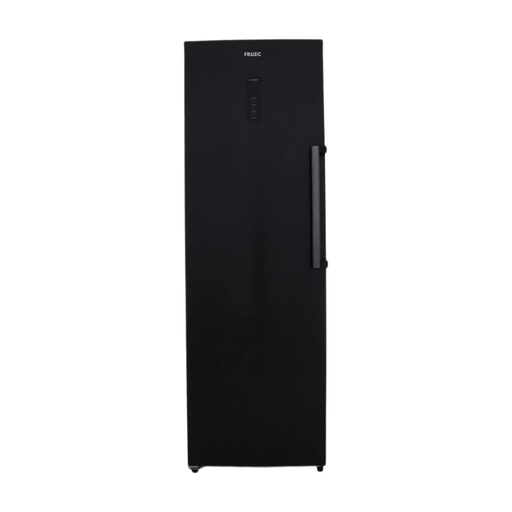 Image unavailable
The stated capacity may suit several portions of dough. Check whether this model can be set to at least −18 °C.
Capacity: 274 litres. Freezing capacity: 17 kg per 24 hours. No Frost. Digital temperature control. Reversible door hinges.
 Image unavailable
The removable basket can help you keep smaller portions of dough separate. Check that the internal space and temperature settings suit your batch.
Capacity: 291 litres. Chest freezer with a 4-star freezer compartment and removable basket. External dimensions: 1100 × 597 × 872 mm.
 Image unavailable
The stated capacity of 5,5 kg per 24 hours can help you work out whether a batch fits your preparation schedule.
Capacity: 122 litres. Freezing capacity: 5,5 kg per 24 hours. The product specifications state a recommended temperature of −18 °C and include a wire shelf. External dimensions: 545 × 480 × 835 mm.
The Voedingscentrum advises setting the freezer to at least −18 °C. A one- or two-star freezer compartment cannot reach that temperature, so check the settings on the exact model.
First compare your batch weight with the stated freezing capacity in kg per 24 hours. The Voedingscentrum advises freezing small portions and not adding too much food at once.
The Voedingscentrum recommends keeping an opened thin pizza base for one month; after that, its quality may deteriorate. This advice applies specifically to that type of pizza base and not automatically to every homemade dough recipe.
Inventum describes Low Frost on the VK562W as reducing ice build-up, but says that periodic defrosting is still needed. Bosch states that No Frost on the GSN29VWEP means manual defrosting is unnecessary. These are the manufacturers’ descriptions of those specific models.
Compare the stated consumption in kWh per year on the energy labels of models that suit your batch and location. Milieu Centraal recommends choosing a suitable size. Use your own electricity tariff if you want to convert consumption into costs.