
Vandaag of morgen in huis

Kwaliteit gegarandeerd

Welkomstaanbiedingen ontgrendelen: GRATIS bezorging | Tot 80% korting | Gratis 30 dagen JoyPlus-proefperiode
Download de app
Spicy Asian instant noodles are handy for a quick meal, to keep in the cupboard or for a late-night study session. But many packs look alike, even though what’s inside can vary considerably. A cup of noodles is different from a packet of noodles with separate seasoning and chilli oil. And a multipack or bulk pack isn’t automatically better value if you don’t like the flavour or need to avoid certain allergens.
So look out for these three common pitfalls:
A standard packet often contains around 100 to 130 grams, while a cup may contain around 68 grams. For example, a portion of Nongshim Shin Ramyun weighs 120 grams, while a Nongshim Red Super Spicy Cup contains 68 grams. This difference matters if you’re looking for a full meal or a small snack to take with you.
A multipack of instant noodles is handy for students, couples and families. A bulk pack of instant noodles is a better choice if you eat noodles regularly. Be sure to check the total net weight, the number of packets and the best-before date.
Not every spicy noodle soup is prepared in the same way:
This affects how much time, crockery and kitchen space you’ll need. If you’re eating at work, look for a cup or a product that only needs boiling water. For a more substantial spicy noodle soup, you’ll need a pan and the right amount of water.
Always check the current label. Product information can change, and the packaging may provide more detail than the online description. Many Chinese instant noodles and Korean ramen contain wheat or gluten and soya. Other common allergens in this selection include sesame, peanuts, eggs, celery, fish and barley.
For example:
It’s also worth checking the salt content. Lamianfan lists 6.2 grams of salt per 100 grams, while Nongshim Shin Ramyun Red lists 4.5 grams per 100 grams. These values are only directly comparable when they’re based on the same reference amount.
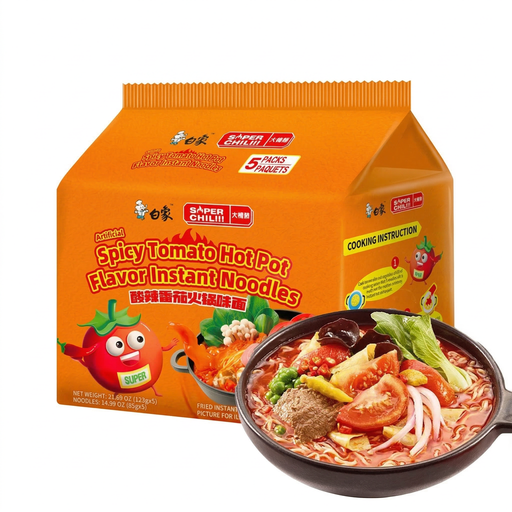
Why it suits this profile: The five individual portions are a handy way to try Chinese instant noodles without buying a large box straight away.
The number of portions and net weight are clearly stated. The preparation instructions call for boiling water and, according to the product information, take 4 to 5 minutes.
123 grams per packet, five packets and a tomato hot pot flavour profile with chilli and dried vegetables.
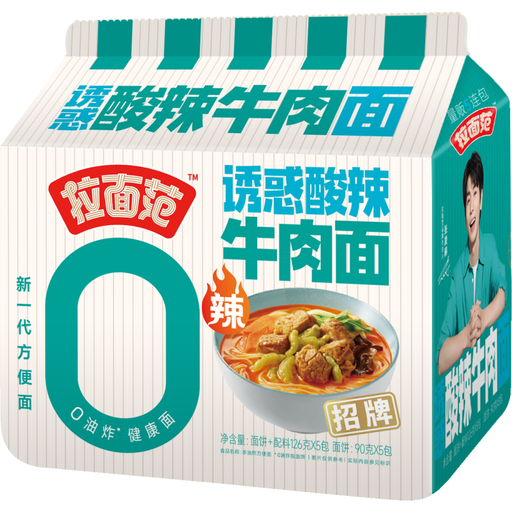
Why it suits this profile: A good choice if you want clear preparation instructions and a combination of beef-style seasoning, tanginess and heat.
The pack specifies 550 ml of water and a cooking time of 3 minutes. Ingredients and allergens are listed for each component.
126 grams per portion, five packets and a soup base with chicken and beef flavours, pickled chilli and sesame paste.
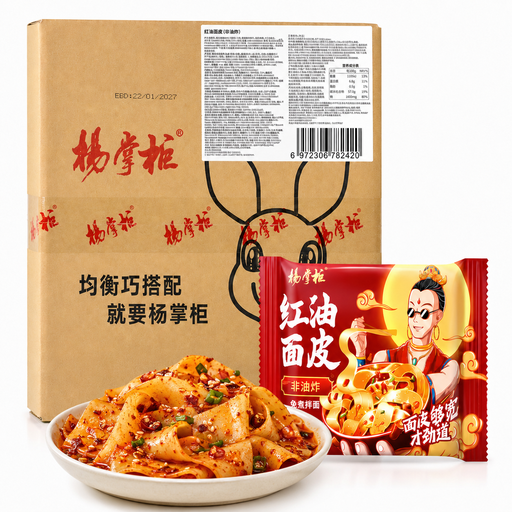
Why it suits this profile: A full box of twenty portions is ideal for households, shared kitchen cupboards and fans who regularly make noodles with chilli oil.
The box contains twenty individually wrapped portions. The instructions make it clear that you need to soak and drain the noodles before adding the sauces.
110.5 grams per pack, red chilli oil and a listed combination of sesame, peanuts, Sichuan pepper and spices.
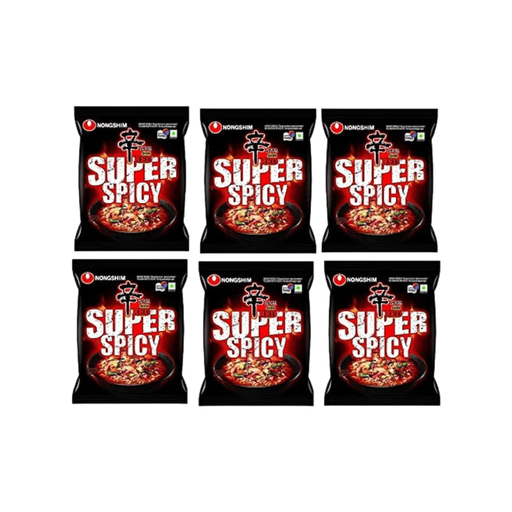
Why it suits this profile: A six-pack of 120-gram portions is handy if you like to keep Korean ramen or beef-flavoured noodles in the cupboard.
The portion size, preparation method and nutritional values are given for each pack. Check the latest allergen information before buying, including details of wheat, soya and fish.
Six 120-gram packets, a spicy red broth and dried vegetables such as carrot, onion and shiitake.
We’ve put together a complete, up-to-date list of products that meet these strict selection criteria and the applicable European safety regulations.
Don’t add the whole sachet of chilli oil or seasoning straight away. Start with a little, then taste and adjust. Adding extra water will make soup milder, while egg, tofu or vegetables will make the meal more filling. For dry noodles, follow the soaking and draining instructions first.
The best-before date is printed on the individual pack. Store unopened packets as directed, usually in a cool, dry place away from direct sunlight. Once opened or prepared, follow the label instructions and use the product promptly.
No. Korean ramen often centres on a bold broth with chilli, garlic and dried vegetables. Chinese instant noodles may instead come with a sour, spicy sauce, hot pot seasoning, wide noodles or red oil. So don’t just check where they’re from; pay particular attention to the preparation method, ingredients, portion size and allergens.
