
Vandaag of morgen in huis

Kwaliteit gegarandeerd

Welkomstaanbiedingen ontgrendelen: GRATIS bezorging | Tot 80% korting | Gratis 30 dagen JoyPlus-proefperiode
Download de app
A pair of pink wireless headphones could be just the thing for listening to music, making calls, travelling, exercising or gaming. But a striking colour tells you little about comfort, sound quality or battery life. The main differences between pink Bluetooth headphones, pink wireless headphones and pink earbuds lie in their technical features and design.
Before you buy, it’s worth looking beyond marketing claims such as “premium sound” or “long play time”. Always check the product specifications, compatibility with your devices and any limitations on use.
A manufacturer may state the maximum battery life with active features switched off. Noise cancelling, higher volume levels and phone calls can all reduce how long you can use the headphones between charges. Compare:
Headphones with long battery life are particularly practical for commuting and travelling, but always check which usage mode the quoted figure applies to.
Active noise cancelling uses microphones and electronics to reduce ambient noise. How well it works can vary depending on your surroundings. Low, consistent sounds, such as the rumble of a train, are generally handled differently from voices or sudden noises.
It’s also worth knowing the difference between:
A pink gaming headset can connect via Bluetooth, a USB dongle or a 3.5mm cable. PlayStation, PC and Nintendo Switch don’t always support the same connection methods. Check that your device supports the mode you want to use.
For competitive gaming, a 2.4GHz connection via a dongle may be a good choice. Bluetooth is often more straightforward for music and calls. A model with both options offers greater flexibility, but may be heavier than standard wireless headphones.
In-ear earbuds are compact and fit in a coat pocket. A good fit is important: a poor seal can affect both comfort and sound quality. For sport, features such as IPX4 or higher are relevant. IPX4 means protection against splashing water, but not immersion.
On-ear headphones rest on your ears and are often lightweight. They take up less space than over-ear models, but may not block out surrounding noise as effectively.
Over-ear headphones surround your ears with ear cushions. This can make them comfortable for longer listening sessions, although they’re larger and can feel warmer during extended use.
Bluetooth versions such as Bluetooth 5.2 or 5.3 give you an indication of the wireless technology, but they don’t tell you on their own how stable the connection will be in practice. Also look for:
Pink Sony headphones with multipoint can be handy if you often switch between work and personal devices. For a pink gaming headset, platform compatibility and the microphone are just as important as Bluetooth.
A lightweight model isn’t automatically comfortable: the pressure from the headband, the shape of the ear cushions and adjustability all play a part. In-ear models need to fit well, while over-ear headphones should leave enough room around your ears.
Also check whether the product is intended for sport, everyday use or long gaming sessions. An IPX rating doesn’t protect against every kind of moisture, and it doesn’t make headphones suitable for swimming.
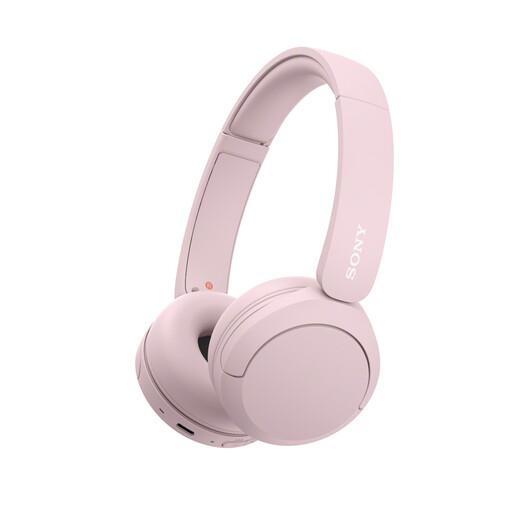
Why it suits this profile: Lightweight on-ear headphones for music, podcasts and calls, with no complicated set-up. Battery life is stated as up to 50 hours.
The product specifications list the Bluetooth connection, battery life and multipoint function separately. This lets you check the practical features instead of focusing only on the colour or advertising claims.
147 grams, USB-C, multipoint and button controls. The Sony Headphones Connect app offers additional sound settings.
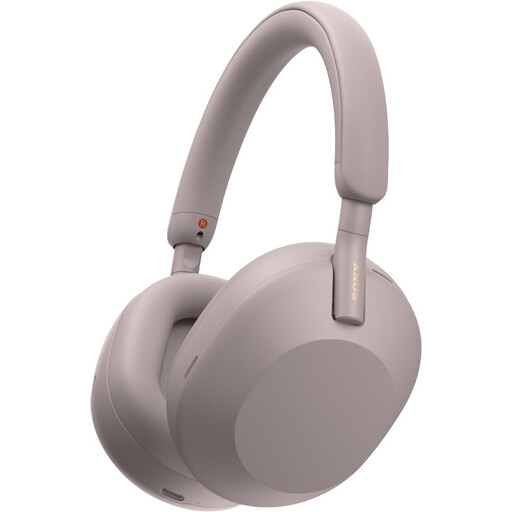
Why it suits this profile: Over-ear headphones for travel, working from home and longer listening sessions, with active noise cancelling and the option of wired use.
These headphones support both Bluetooth and a 3.5mm cable, so you can still listen using a wired connection when the battery runs out.
LDAC support, multipoint, a stated weight of 250 grams and active noise cancelling.
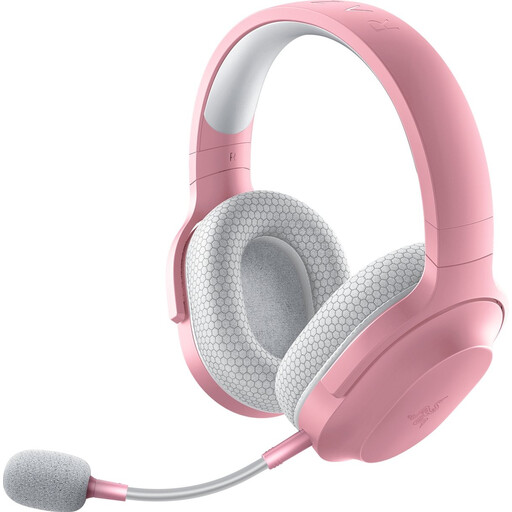
Why it suits this profile: Designed for gamers who switch between PC, PlayStation, Nintendo Switch and Android, and want to use both a dongle and Bluetooth.
Compatibility and connections are clearly specified: 2.4GHz via a USB-C dongle, Bluetooth 5.2 and a 3.5mm cable.
Stated battery life of 50 hours, detachable microphone, 250 grams and support for PC, PlayStation and Switch.
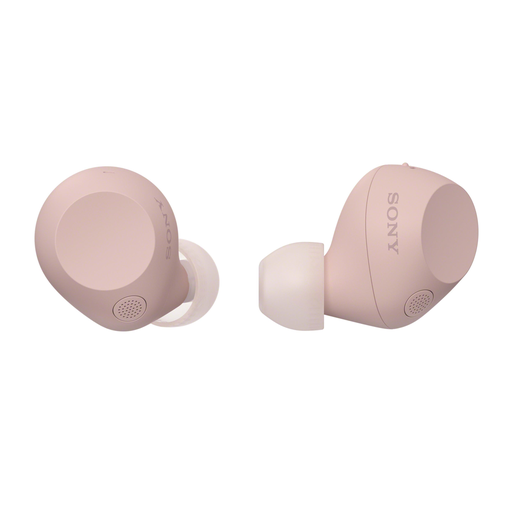
Why it suits this profile: Compact pink earbuds for commuting, everyday use and light exercise.
The IPX4 rating makes it clear that these earbuds are protected against splashes, but aren’t fully waterproof. This helps you make a realistic choice for exercise and rainy weather.
Up to 30 hours with noise cancelling, according to the product information, Bluetooth 5.3, multipoint and touch controls.
We’ve put together a full, up-to-date list of products that meet these strict selection criteria and comply with current European safety regulations.
Put the headphones or earbuds into pairing mode. Then open the Bluetooth settings on your Android or iOS device and select the product name. Some models let you set up additional features in a companion app. Once paired, check that the microphone and the audio device you want to use are selected correctly.
Battery life per charge varies by model and settings. Over-ear models can last for dozens of hours, according to their product specifications, while compact earbuds usually offer several additional charges from the case. The overall lifespan also depends on charging habits, storage, moisture and wear to the built-in battery.
That depends on the fit and the IP rating. IPX4 is designed to protect against splashes and sweat, but not immersion. Also check that the earbuds stay securely in place, and don’t use them in situations where you need to hear your surroundings clearly, such as in traffic.
