
Vandaag of morgen in huis

Kwaliteit gegarandeerd

Welkomstaanbiedingen ontgrendelen: GRATIS bezorging | Tot 80% korting | Gratis 30 dagen JoyPlus-proefperiode
Download de app
A pink face mask can be a simple addition to your skincare routine, but products vary considerably. The colour itself says little about the formula, intended use or suitability for your skin. Sheet masks, gel masks, clay masks and sun-protective face coverings all serve different purposes.
If you focus solely on the packaging, Korean skincare trends or appealing terms such as “collagen” and “anti-ageing”, you could easily choose a product that does not fit your routine. Pay particular attention to the ingredient list, recommended wear time and practical application.
A pink mask may be hydrating, purifying, brightening or designed to provide UV protection. The colour is usually a visual element of the packaging or formula and is not objective evidence of how the product works.
Check whether the product is a sheet mask, hydrogel, cream mask, clay mask or textile face covering. For example, a collagen face mask may primarily be intended to leave the skin feeling temporarily hydrated and looking smoother, while a clay mask may be more suitable for a routine designed for oilier or blemish-prone-looking skin.
Terms such as “firming”, “glow”, “detox” and “anti-ageing face mask” often describe the desired appearance rather than a guaranteed result. According to a brand’s own research, ingredients such as collagen, PDRN, niacinamide and caffeine may support certain properties; this should not automatically be interpreted as a proven effect for every user.
Also pay attention to claims about clinical results. For example, the product information for the Pink Peptide Collagen Eye Patches lists percentages for hydration, firmness and the appearance of puffiness. According to the manufacturer, these figures come from clinical tests and do not guarantee your personal results.
A sheet mask left on for too long may dry uncomfortably. A clay mask that becomes hard and tight may not be suitable for dry skin. An overnight mask requires a different schedule from a product that you rinse off after 5 to 10 minutes.
Always follow the instructions on the packaging and check whether the formula is suitable for your skin condition. Stop using the product if you experience irritation, redness or a burning sensation.
Start by deciding what you want the product to do:
A sheet mask is pre-shaped and typically infused with essence. A gel mask often conforms closely to the skin and feels different from a cream or clay mask. A hydrogel mask may be left on for longer according to the usage instructions, but the appropriate wear time varies by product.
Also consider the pack size. A multi-mask set is practical for regular use, while a jar of clay mask may provide several applications. Compare the amount and recommended usage rather than looking only at the price of the pack.
A textile face covering with UPF 50+ is designed to provide physical protection from sunlight during outdoor activities. It does not replace sunscreen on uncovered skin and is not the same as a sun-protective skincare mask in the form of a cosmetic face mask.
For the Beneunder models, the product description lists a UPF 50+ rating, breathable openings, a 3D fit and additional coverage around the outer corners of the eyes. Check the fit, ear loops and care instructions before ordering. According to the product information, these models are one size.
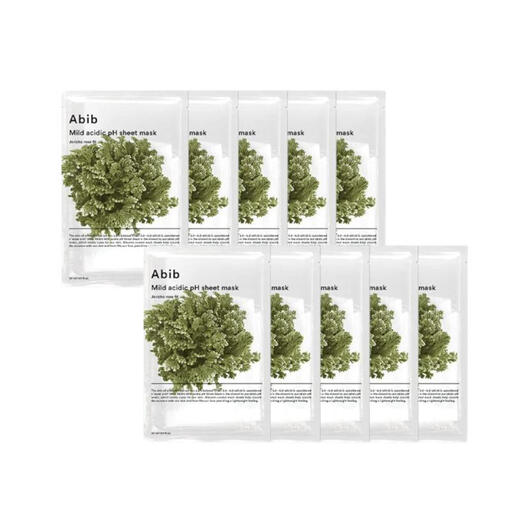
Why it’s a good fit: A pack of 10 sheet masks is a practical way to explore Korean skincare at your own pace and add a hydrating mask to your routine.
The product format and number of masks are clearly stated, so you are not choosing based on the pink packaging alone.
10 individual masks, an essence-based formula and a recommended wear time of 10 to 20 minutes.
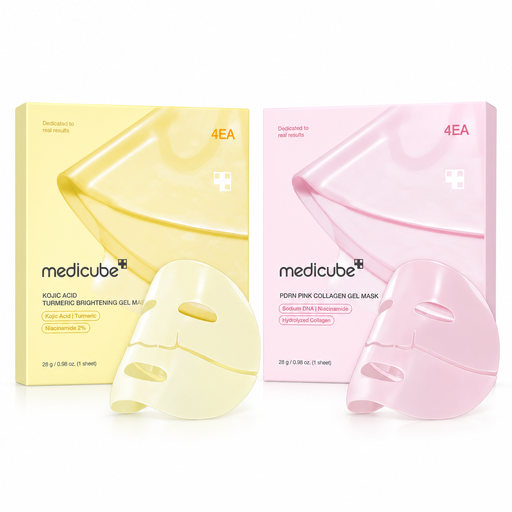
Why it’s a good fit: If you want to alternate between care for a dull-looking complexion and a more hydrated, smoother-looking skin surface, this set gives you two formulas in one.
The set distinguishes between kojic acid and turmeric care on the one hand, and PDRN and collagen care on the other.
8 gel masks in total: 4 for a brighter-looking complexion and 4 for hydration and firming care.
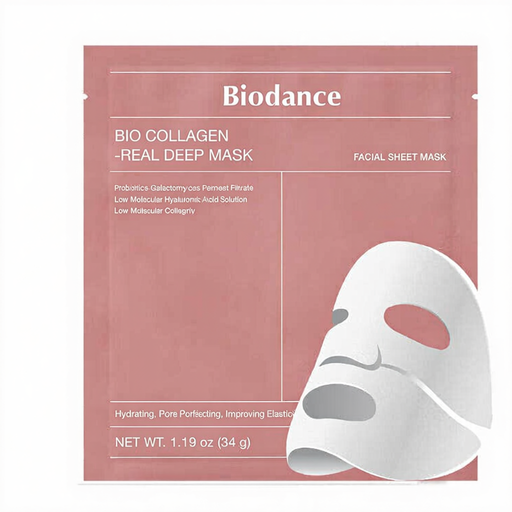
Why it’s a good fit: This hydrogel version is designed for evening use or several hours during the day, making it well suited to a planned weekly routine.
The instructions clearly specify overnight use or 3 to 4 hours during the day, so you do not have to leave the mask on for an arbitrary length of time.
34 grams of serum per mask, a hydrogel texture and a transparent appearance during use, according to the product description.
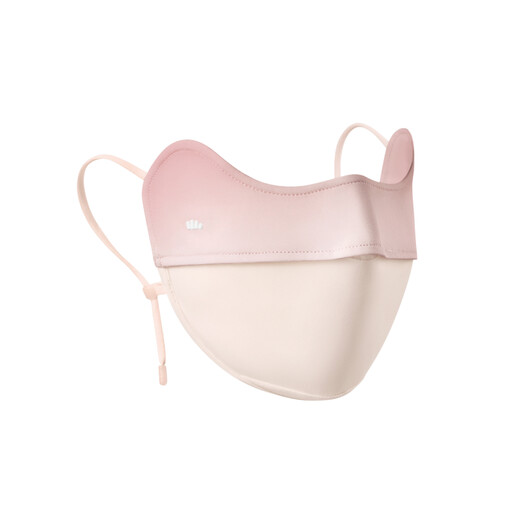
Why it’s a good fit: This is not a cosmetic sheet mask but a wearable face covering for outdoor use, such as cycling, walking or commuting.
The product information specifies UPF 50+, material percentages, adjustable ear loops and hand-wash care, making its purpose clear.
A 3D fit, breathable openings and additional coverage around the outer corners of the eyes, according to the product description. One size.
Browse our current selection of pink masks and compare formulas, textures, quantities and intended uses based on the available product information.
For a targeted eye-care routine, the Pink Peptide Collagen Hydrogel Eye Patches are a separate option containing 60 patches. The product information lists ingredients including caffeine, niacinamide, collagen, peptides and hyaluronic acid. If you have sensitive skin, perform a patch test first.
If cleansing is your priority, the No Problem Charcoal Mask - Pink is a 110-gram rinse-off clay mask. The formula includes kaolin, charcoal, calamine and salicylic acid, among other ingredients. Use it for the stated 5 to 10 minutes and avoid direct contact with the eyes.
For an overnight mask, consider the Medicube PDRN Pink Caffeine Night Wrapping Mask. The product description refers to a peel-off overnight layer containing PDRN, caffeine and niacinamide. These stated properties come from the product information and should not be interpreted as medical effects.
That depends on the formula. A hydrating sheet mask is often used once or several times a week, according to the packaging. A clay mask may feel more intensive and requires greater attention to dryness or tightness. Use an overnight mask only as directed.
Check the expiry date, batch information and any period-after-opening symbol on the packaging. Keep opened jars tightly closed and store products away from direct sunlight. Individually packaged sheet masks and hydrogel masks generally remain fresh until opened; always follow the label instructions.
Yes. A cosmetic face mask does not replace sunscreen. Even a textile sun-protective face covering with UPF 50+ does not cover every part of the face. Apply a suitable sun-protection product to uncovered skin and follow the instructions on the packaging.
