
Vandaag of morgen in huis

Kwaliteit gegarandeerd

Welkomstaanbiedingen ontgrendelen: GRATIS bezorging | Tot 80% korting | Gratis 30 dagen JoyPlus-proefperiode
Download de app
Pineapple snacks come in many forms: from tinned pineapple and pineapple chunks in juice to dried pineapple, mochi, jelly and pineapple cake. With such a wide range, it’s not always easy to choose. A pack might look large, while the actual fruit weight is lower. Likewise, words like “tropical”, “pure” or “with fruit flavour” don’t automatically tell you how much pineapple is actually inside.
So it’s worth paying close attention to the ingredients list, nutritional information, allergens and when you plan to use it. That way, you can avoid paying for a product that doesn’t suit your recipe, snack time or taste preference.
With tinned pineapple, the total weight often includes both fruit and juice. So check whether the net weight and the drained weight are listed separately. For a fruit salad or cake, pineapple chunks in juice are practical; for decoration, pineapple rings can be more convenient.
A small tin is ideal for a single portion, while a pack of around 565 to 567 grams makes more sense for several desserts or a family recipe.
In sweets, mochi and baked goods, pineapple can be just one part of the filling or flavour. The percentages vary widely. For example, the filling of the Yuki & Love Pineapple Cake contains 36.7% pineapple according to the product information, while the Hsu Fuchi Pineapple Cake’s pineapple filling is 13%. In mochi, the pineapple content can be around 6%.
So check whether you’re after a snack with a recognisable pineapple flavour, or a product where pineapple is combined with coconut, mango, banana, taro or other ingredients.
Dried pineapple, pineapple sweets, jelly and pineapple cake often contain sugar, syrups or sweeteners. That makes them suitable as a treat, but they have a different nutritional profile to pineapple in its own juice. Look at the table per 100 grams and not just the serving size.
Also keep an eye on allergens. Some products may contain milk, soya, wheat, egg, sulphites or gelatine, for example. Always rely on the packaging, as recipes can change.
If pineapple appears near the top of the ingredients list, it generally makes up a larger part of the product than if sugar, syrup or starch are listed first. For tinned fruit, simple ingredients are often clear: Del Monte Pineapple Chunks in Juice are made with pineapple and pineapple juice according to the product information. g'woon Pineapple Slices In Juice contain pineapple, 38% pineapple juice and citric acid according to the listed ingredients.
With sweets and baked goods, the list is longer. A product might then be more about texture, pastry or filling, with pineapple as a flavour accent.
Compare energy, carbohydrates and sugars per 100 grams. MUSHAN BASE Candied Pineapple, for example, lists 60.3 grams of sugars per 100 grams and contains sulphites according to the label. Orihiro Purunto Jelly Golden Pineapple comes in six portions of 20 grams and uses fructose-glucose syrup, sugar and sweeteners among other ingredients.
With gelatine, it’s also worth checking the source. Amos 4D Fruit Gummy Juicy Burst - Pineapple lists beef gelatine as an ingredient. If you need to avoid milk, soya, gluten, egg, nuts or sulphites, it’s a good idea to read the allergen information before buying.
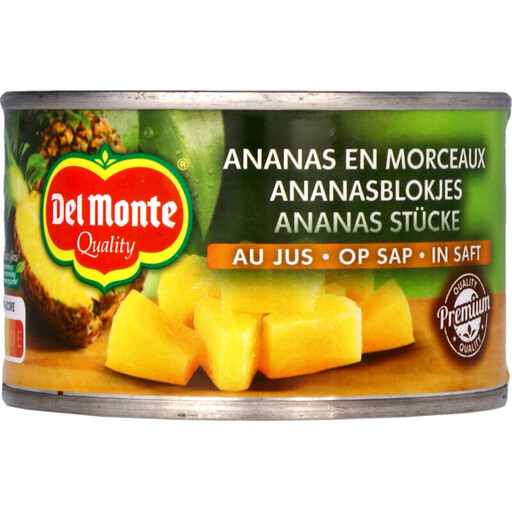
Why this fits the profile: A straightforward tin for anyone wanting to try tinned pineapple without opening a large can straight away.
The product information lists pineapple and pineapple juice as ingredients, making the fruit content clearer than with many composite snacks.
230 grams, chunks for desserts and no added sugars according to the product information.
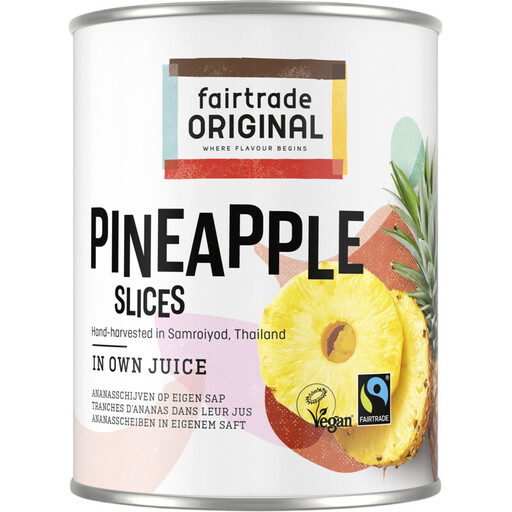
Why this fits the profile: For anyone wanting a larger supply of pineapple rings for desserts, party platters or multiple recipes.
The ingredients list shows pineapple and pineapple juice, so you can distinguish it from varieties with added sugar.
565 grams, rings in their own juice according to the product information and no listed allergens from the EU list.
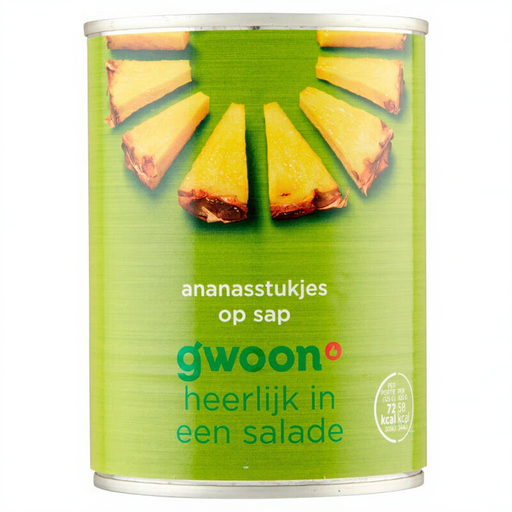
Why this fits the profile: A generous supply for smoothies, hot dishes, fruit salads and desserts.
The packaging states the size and ingredients, including 40% pineapple juice and citric acid.
567 grams, chunks and a nutritional value of 58 kcal per 100 grams according to the product information.
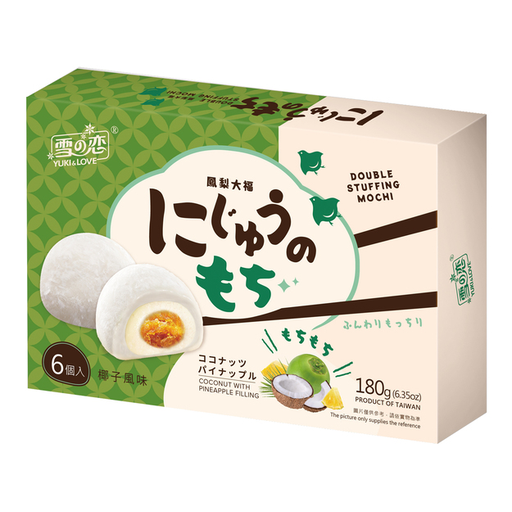
Why this fits the profile: For anyone looking for a soft, chewy snack rather than tinned fruit or classic pineapple sweets.
The product information states that the pineapple paste makes up 6% of the product and that soya and milk are present.
180 grams, a combination of pineapple and coconut and a soft tapioca-based texture.
We’ve put together a full, up-to-date list of products that fully meet these strict selection criteria and current European safety regulations.
Pineapple in juice is packed with pineapple juice, while pineapple in syrup usually contains a sweeter liquid. Check the ingredients and the amount of sugars per 100 grams. The exact composition varies by brand and pack.
After opening, put any leftover pineapple in a clean, sealed container and keep it in the fridge. Always follow the instructions on the label and consume the product within the stated time. Don’t use a tin if the packaging is bulging, leaking or damaged.
Individually wrapped products are practical for eating on the move. MUSHAN BASE Candied Pineapple comes in a 50-gram portion. Jelly portions, such as Orihiro Purunto Jelly Golden Pineapple, are also individually packed. Just check the allergen information first for snacks containing milk, soya, gluten, gelatine or sulphites.
