
Vandaag of morgen in huis

Kwaliteit gegarandeerd

Welkomstaanbiedingen ontgrendelen: GRATIS bezorging | Tot 80% korting | Gratis 30 dagen JoyPlus-proefperiode
Download de app
A pineapple drink might seem easy to choose at first. But pineapple juice, pineapple soft drinks, fruit drinks and varieties with coconut water or aloe vera can differ considerably in ingredients, taste and packaging. If you focus only on a tropical image or an appealing offer, you could end up with a product that’s too sweet, contains little pineapple or isn’t suitable for how you plan to use it.
Use this practical guide to compare products by ingredients, sugar content, volume, packaging and occasion. It’ll help you find the right drink for home, a picnic, an Asian meal or a party.
A product may be sold as a pineapple drink, even if it’s made mostly from water, sugar, flavourings or other fruit juices. So check the ingredients list. Look specifically for terms such as pineapple juice, pineapple purée, juice concentrate, flavourings and the stated percentage of pineapple.
For example, Fruit.B x Tropical Pineapple Slice Drink lists 2,85% pineapple pieces and 0,17% pineapple juice concentrate. That doesn’t automatically make it the wrong choice, but it does set different expectations from a drink made mostly from pineapple juice.
Always compare the nutritional values per 100 ml. The products shown vary. Fruit.B lists 12,08 grams of sugar per 100 ml, while FOCO Coconut Water with Pineapple lists 5,2 grams of sugar per 100 ml. The pack size also affects how much you end up drinking.
Look out for sweeteners, too. Some products contain both sugar and sweeteners, such as Da Yao Pineapple Flavored Juice Soda. According to the product information, this drink contains sucralose, cyclamate, acesulfame K and aspartame, among other ingredients. If you want to avoid certain ingredients, check the label before buying.
A box of 12 or 24 drinks can be handy for a party, but less practical if you only want a tropical drink now and then. Check the total volume, shelf life, storage space and price per litre. A small pouch is ideal for taking out and about, while a 1-litre bottle is better for breakfast or sharing at home.
First, decide what type of product you’re looking for:
Bear in mind that brand marketing claims shouldn’t automatically be taken as proven effects. According to FOCO’s product information, the drink contains coconut water, 5% pineapple juice and vitamin C. This describes its ingredients, but it isn’t a reason to attribute medical or health benefits to the product.
Use the values per 100 ml as a consistent basis for comparison. It’s worth noting:
A low-calorie drink may still contain sweeteners. A product with more fruit juice may contain more natural sugars. The right choice therefore depends on your preferences, not just one figure on the front of the pack.
A 190 ml or 230 ml pouch is easy to take on a picnic or when you’re out and about. A 1-litre bottle is more convenient at home. 340 ml cans are well suited to parties, especially if you want to serve several portions chilled.
Follow the storage instructions on the packaging. Many drinks need to be refrigerated after opening and consumed within the stated period. Before use, check that the seal is intact. Don’t rely solely on online product information: packaging, warnings and best-before dates can change.
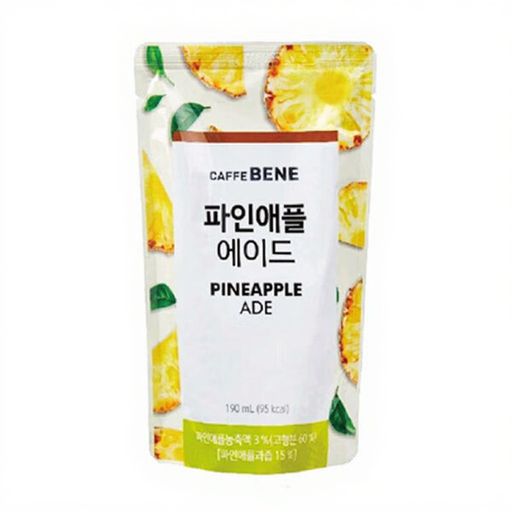
Why it suits this profile: The 190 ml portion is easy to keep track of and convenient to take with you. It’s a practical choice if you’d like to try a small amount of pineapple drink first.
The volume and portion size are clearly stated, so you don’t have to buy a large supply before you know whether you like the taste.
190 ml per pouch, handy for taking out and about and, according to the product information, free from the 14 main EU allergens.
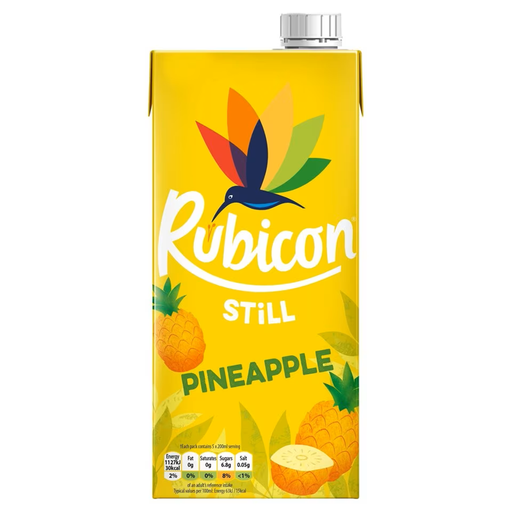
Why it suits this profile: The 1-litre pack is a good fit for breakfast, serving several people or using in a mixed drink.
The product information lists 43 kcal and 10,3 grams of sugar per 100 ml, so you can compare the drink with other fruit drinks before buying.
1 litre of drink, pineapple purée as an ingredient and an easy-to-use bottle for serving chilled.
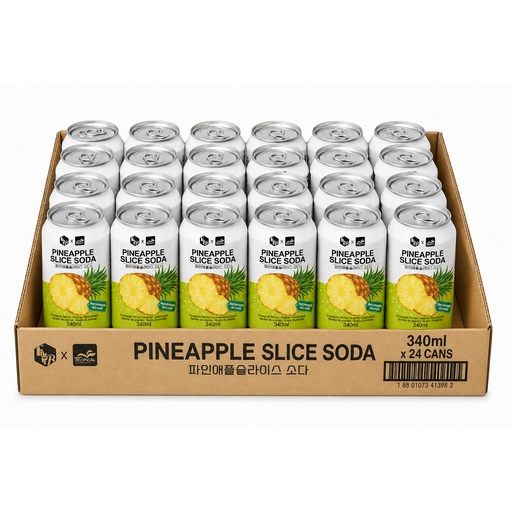
Why it suits this profile: The 24 cans of 340 ml are ideal for parties, larger gatherings and keeping a regular supply at home.
The ingredients list and nutritional values are specific: 2,85% pineapple pieces, 0,17% juice concentrate and 51 kcal per 100 ml.
A fizzy drink in 24 portions, with real pineapple pieces according to the product description. It’s an obvious choice to serve chilled.
We’ve put together a complete, up-to-date list of products that meet these strict selection criteria and the applicable European safety requirements.
For desserts, salads, cocktails or hot dishes, tinned pineapple may be more practical than a drink. According to the product information, Del Monte Pineapple Slices in Juice contains pineapple and pineapple juice. The smaller 230-gram version is handy for a one-off recipe. g’woon Pineapple Slices in Juice, weighing 227 grams, also contains pineapple and pineapple juice and is intended to be used after opening.
When comparing pineapple pieces in juice, focus on the type of juice, net weight and sugar content. “In juice” doesn’t mean “no added sugar”, so always check the ingredients list and nutritional values.
Pineapple juice usually refers to fruit juice or a fruit drink and may contain pineapple purée or juice concentrate. A pineapple soft drink often contains carbon dioxide, sugar, sweeteners and flavourings. Read the label to check the actual fruit content.
Follow the instructions on the packaging. In many cases, an opened bottle or pouch needs to be refrigerated and consumed within the stated period. Close the pack securely and don’t use a product if its seal was damaged before opening.
It depends on the offer price, volume and portion size. Work out the price per litre or per 100 ml, and check whether you’ll use the entire pack in time. A box can be a practical option for a party; for occasional use, a smaller pack may help avoid waste.
