
Vandaag of morgen in huis

Kwaliteit gegarandeerd

Welkomstaanbiedingen ontgrendelen: GRATIS bezorging | Tot 80% korting | Gratis 30 dagen JoyPlus-proefperiode
Download de app
Pineapple drinks might seem easy to choose, but there’s a huge range to pick from. One bottle may contain pineapple juice, while another is a pineapple fruit drink with sugar, fizz or extra fruit pieces. Terms such as “tropical”, “natural” and “with vitamins” don’t always tell you how much pineapple the drink actually contains.
If you’re buying a pineapple drink for home, on the go or for a party, it’s worth checking three things first: the type of drink, the ingredients and the packaging.
A pineapple-flavoured soft drink may consist mainly of water, sugar, acidity regulators and flavourings. So check the ingredients list and look for terms such as pineapple juice from concentrate, pineapple purée or a stated fruit percentage. A product with a tropical name doesn’t automatically contain a high proportion of pineapple.
For example, Fruit.B Tropical Pineapple Slice Drink lists 0.17% pineapple juice concentrate, alongside 2.85% pineapple slices. That gives you a clearer picture than the product name alone.
Pure pineapple juice, fruit drinks, nectar and soft drinks can vary considerably in taste and composition. A fruit drink often contains water and sugar as well as fruit. A soft drink may contain carbonation and flavourings. An aloe vera pineapple drink has a different texture because of the added aloe vera pieces or ingredients.
So don’t compare just the price per bottle. Check the size, fruit percentage and nutritional information per 100 ml too.
A 1- or 1.5-litre bottle is practical for a family or a meal, but once opened it should be refrigerated and used within the period stated in the product information. Small bottles, cans or pouches are more convenient for travelling, lunch or a picnic. A multipack may be a more economical and practical choice for a party, but check the total volume first.
First, decide what you need the drink for:
Check the fruit percentage in each product, as it can vary considerably even within the same product category.
Always read the current packaging. Product information on a webshop may change, and the manufacturer may alter the recipe. Pay particular attention to:
The allergen information for the products mentioned isn’t always presented in the same way. So don’t rely solely on a short product description. Check the label before drinking, especially if anyone in your household has an allergy or intolerance.
A 190 ml portion is suitable for a quick drink, while a 500 ml bottle gives you more to enjoy on the go. A multipack of 24 cans may suit an event, but it takes up more storage space.
Also check:
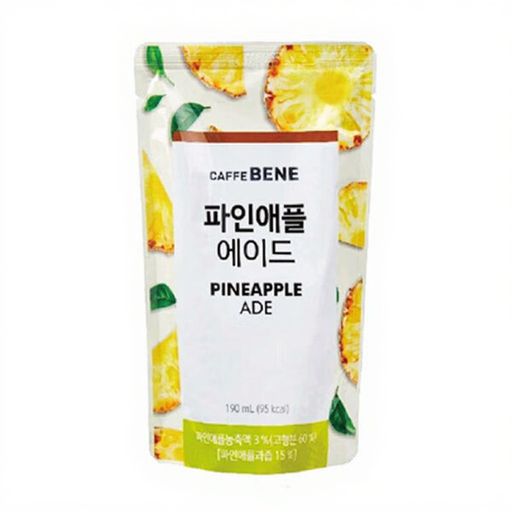
Why it suits this shopper: The 190 ml portion is a handy size, and the pouch is easy to take to school, work or a picnic.
The small pack makes the portion size clear. Store unopened pouches according to the label and check the seal before use.
190 ml per pouch, convenient for on the go and, according to the product information, free from the 14 major EU allergens.
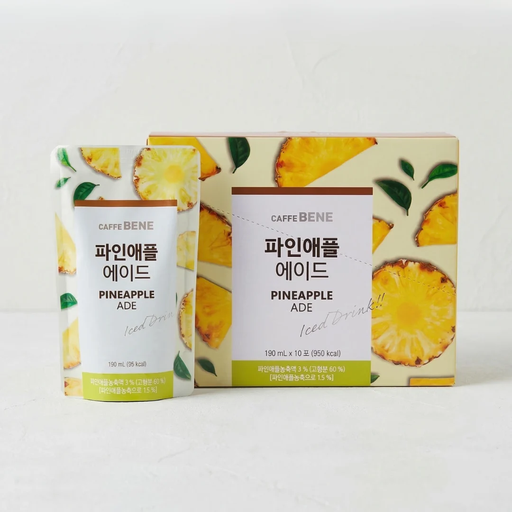
Why it suits this shopper: A multipack of individual portions is practical at home, with a light lunch or alongside Asian dishes.
The ingredients list states 3% pineapple juice concentrate and 0.15% synthetic pineapple flavouring, giving you a clearer idea of how the flavour is achieved.
10 portions of 190 ml, with nutritional information per 100 ml and a clearly described pineapple flavour.
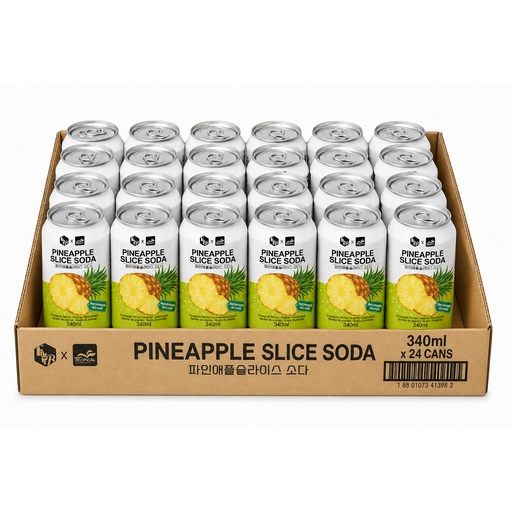
Why it suits this shopper: The box of 24 cans is ideal for parties, sharing and keeping a supply at home.
The product information lists both carbonation and 2.85% pineapple slices, as well as 0.17% juice concentrate. So you know it’s a soft drink, not pure juice.
24 cans of 340 ml, carbonated and, according to the label, 51 kcal per 100 ml.
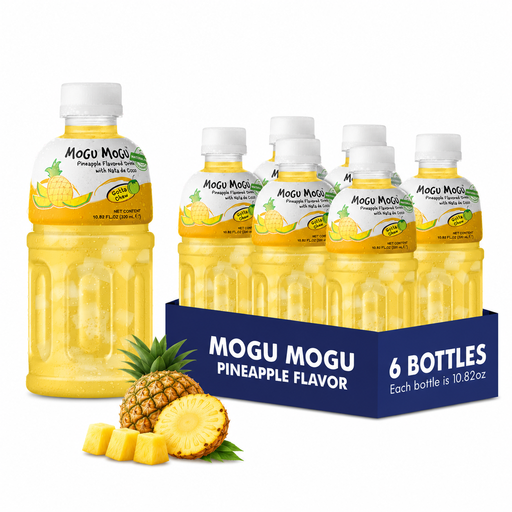
Why it suits this shopper: The combination of pineapple flavour and nata de coco makes for a different drinking experience from regular pineapple juice or fizzy drinks.
The product description specifically mentions nata de coco and describes it as a fruit-flavoured soft drink. So don’t expect a smooth fruit juice.
Six 320 ml bottles with coconut pieces and, according to the product information, 37 kcal per 100 ml.
We’ve put together a complete, up-to-date list of products that meet these strict selection criteria and the applicable European safety requirements.
No. Pineapple juice is made from juice or juice from concentrate, while a pineapple drink may also contain water, sugar, flavourings, carbonation or other fruit juices. Check the product type and fruit percentage on the label.
Always follow the instructions on the packaging. For the products mentioned, the general advice is to refrigerate after opening, seal securely and consume within the stated period. If the seal or cap is damaged, don’t use the product.
Multipacks of cans or small bottles are handy for a party. Fruit.B Tropical Pineapple Slice Drink is available in a box of 24 340 ml cans. For a smaller gathering, a multipack of 190 ml drinks or a 1-litre bottle may be more convenient. Also consider the fridge space available and how you’ll dispose of the packaging.
