
Vandaag of morgen in huis

Kwaliteit gegarandeerd

Welkomstaanbiedingen ontgrendelen: GRATIS bezorging | Tot 80% korting | Gratis 30 dagen JoyPlus-proefperiode
Download de app
A pineapple drink may seem simple to choose at first glance. Yet pineapple soft drinks, pineapple juice, coconut water with pineapple and Asian fruit drinks can vary considerably in flavour, packaging, sugar content and when they are best enjoyed. If you focus only on eye-catching labels or tropical imagery, you may end up with a drink that is too sweet, needs to be consumed quickly or is unsuitable for how you planned to use it.
Joybuy Product Recommendation Officer sets out the key points to consider. This helps you compare products using verifiable information rather than marketing language.
A product with pineapple flavour may contain mainly flavouring, while a fruit drink also contains actual pineapple juice or fruit concentrate. So always check the ingredients list. For example, CAFFE BENE Pineapple Ade lists 3% pineapple juice concentrate, alongside synthetic pineapple flavouring. This creates a different flavour profile from a product with a higher fruit juice content.
Also pay attention to the product category:
A 1-litre bottle may seem convenient for home, while 190 or 200 ml portions are better suited to a picnic, party or lunch. With multipacks, it is worth calculating the total volume. A box of 30 small bottles also takes up more storage space than one or two larger packs.
Once opened, a drink will generally need to be stored in the fridge and consumed within the period stated on the label. So do not just look at the price per pack – also consider how much you are realistically going to consume in the short term.
A Ramune bottle uses a glass marble as its seal. According to the product description, you need to push the marble into the bottle when opening it. As the bottle is carbonated, it is important to open it carefully. This type of packaging can be appealing for a Japanese-themed party, but it is less practical if you want a drink that can be opened quickly and without instructions.
Pouches are the opposite: they are light and compact, but the seal and closure must be intact before consumption.
First decide what kind of drinking experience you are looking for. For a fizzy pineapple soda, look for terms such as carbonated water, sparkling water or carbon dioxide. For pineapple juice, check the proportion of juice, purée or concentrate. With coconut water and pineapple, pay attention to the ratio of coconut water to pineapple juice.
FOCO Coconut Water with Pineapple, for example, lists 5% pineapple juice and has a volume of 500 ml. According to the product information, the drink contains 20 kcal per 100 ml. Use information like this to compare products, but do not automatically treat brand claims about flavour or effects as established fact.
Always compare nutritional values per 100 ml, rather than looking only at the figures for the whole bottle. This allows you to see the difference between a small portion and a larger pack. HATAKOSEN Ramune Pineapple, for example, lists 42 kcal and 4.5 grams of sugar per 100 ml. Other soft drinks may contain sugar, glucose-fructose syrup or sweeteners.
A lower value does not automatically mean that the drink will better suit your taste. It does, however, help you make an informed choice, particularly when buying several bottles at once.
Check the current packaging before buying. Lotte Milkis Banana products list milk and soya as allergens. Some drinks also contain colourings such as E102 or E110. The label may warn that these colourings could have an effect on activity and attention in children.
Baby food has separate age recommendations. According to the product description, Ella’s Kitchen Banana + Coconut Smoothie is suitable from 4 months. This is a fruit purée, not a standard tropical soft drink. Always check the recommended age, storage advice and instructions for use before buying baby food.
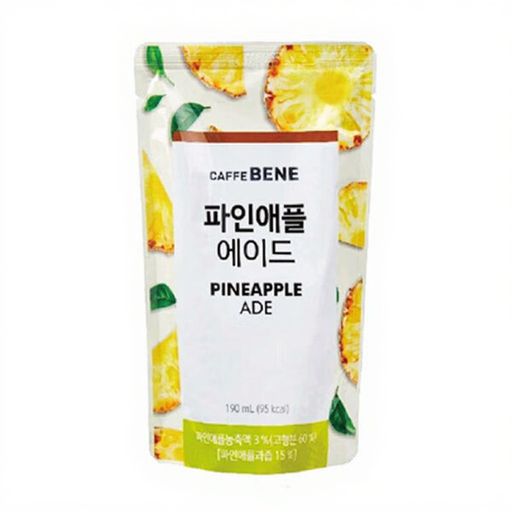
Why it suits this profile: The 190 ml pouch is a manageable portion for travelling, a lunchbox or a small supply for a day out.
The volume is clearly stated and the pack is smaller than a family-size bottle. This means you do not buy more than necessary if you want to try the flavour first.
190 ml per pouch; suitable for drinking on the go; according to the product information, free from the 14 major EU allergens.
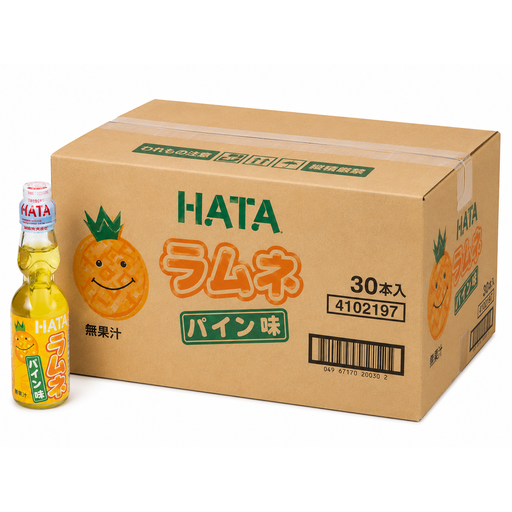
Why it suits this profile: This Japanese Ramune combines pineapple flavour with its instantly recognisable glass bottle and marble closure.
The specifications state the carbonation, ingredients and nutritional values per 100 ml. This makes it clear that it is a soft drink, not pure pineapple juice.
30 bottles of 200 ml; 42 kcal per 100 ml according to the product information; distinctive Japanese Ramune presentation.
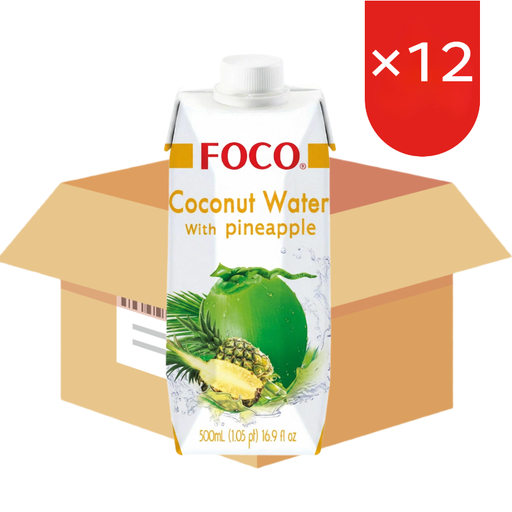
Why it suits this profile: The box of twelve packs is practical for a tropical party, a well-stocked cupboard or several drinks at home.
The ratio is described more precisely: the product information states that it contains coconut water with 5% pineapple juice. This distinguishes it from an ordinary pineapple soda.
12 packs of 500 ml; 5% pineapple juice according to the product information; suitable for serving chilled or over ice.
We have put together a complete, up-to-date list of products that fully meet these strict selection criteria and the applicable European safety regulations.
A carbonated option such as Ramune pineapple or pineapple soda is a good choice for fans of Japanese and Korean drinks. If you would prefer a softer, less fizzy option, consider coconut water with pineapple or a fruit drink. Whichever you choose, check the ingredients and sugar content per 100 ml.
Store an opened drink in the fridge and consume it within the period stated on the packaging. Seal the bottle, pouch or carton securely. With carbonated drinks, the fizz may diminish after opening. Always check the best-before date and the manufacturer’s instructions before drinking.
That depends on the specific product. Check the colourings, caffeine, allergens, sugar information and recommended serving size. Ramune products, for example, may contain E102. Baby food, such as a banana and coconut smoothie suitable from 4 months, should only be used in accordance with the age and storage instructions on the label.
