
Vandaag of morgen in huis

Kwaliteit gegarandeerd

Welkomstaanbiedingen ontgrendelen: GRATIS bezorging | Tot 80% korting | Gratis 30 dagen JoyPlus-proefperiode
Download de app
A pineapple drink might seem simple to pick, but the difference between pineapple juice, fruit drink, fizzy drink and pineapple in juice is huge. The packaging may promise a tropical flavour, yet there could be very little pineapple inside. Terms like “with real fruit”, “with vitamins” or “natural” don’t always mean what you’d expect.
With this practical checklist, you can compare ingredients, sugar content, volume and usage. That way, you’ll find the right tropical drink for breakfast, parties, cocktails, desserts or everyday enjoyment.
A pineapple fizzy drink can be mostly carbonated water, sugar, acidity regulators and flavourings. For example, the Fruit.B x Tropical Pineapple Slice Drink lists 2.85% pineapple slices and 0.17% pineapple juice concentrate. The fruit slice is a striking part of the drinking experience, but the product isn’t pure pineapple juice.
Always check the ingredients list and the percentage of fruit.
A product with “juice” in the name could be a fruit drink with water and sugar. An “ade” is usually a flavoured drink, and pineapple water with coconut may contain only a limited amount of pineapple juice. So don’t just look at the front of the packaging.
Look out for words like:
A 1-litre bottle works well for breakfast or a group, but once opened it usually needs to be kept chilled and used by the date on the label. Small pouches, cans or bottles are handy for on the go, but can work out more expensive per litre.
So compare the price per litre, not just the price per pack.
Ingredients are listed in descending order of quantity. If water or sugar comes first, you know the product is mostly made up of that. For Del Monte Pineapple Chunks in Juice, the composition according to the product information is pineapple and pineapple juice. That makes this product suitable when you’re mainly looking for fruit for a dessert or recipe.
With a blended drink, it’s important to see which fruit makes the biggest contribution. DubbelDrank Pineapple Guava Apple Juice lists 14% pineapple, 13% orange, 6% apple and 4% guava and states a minimum of 40% fruit content in the product description. The flavour will therefore be different from pure pineapple juice.
Compare the nutritional values per 100 ml. That makes small and large packs easier to compare. The Fruit.B fizzy drink lists 51 kcal and 12.08 g of sugars per 100 ml. FOCO Coconut Water with Pineapple lists 20 kcal and 5.2 g of sugars per 100 ml. These figures come from the supplied product information; always check the current label when you buy.
Also note the difference between added sugar, sugar from fruit and sweeteners. A lower energy value doesn’t automatically mean the taste or composition suits your preference better.
Choose a pack based on how you’ll use it:
Check the pack is undamaged before consuming. Store unopened products according to the label and generally keep opened drinks chilled.
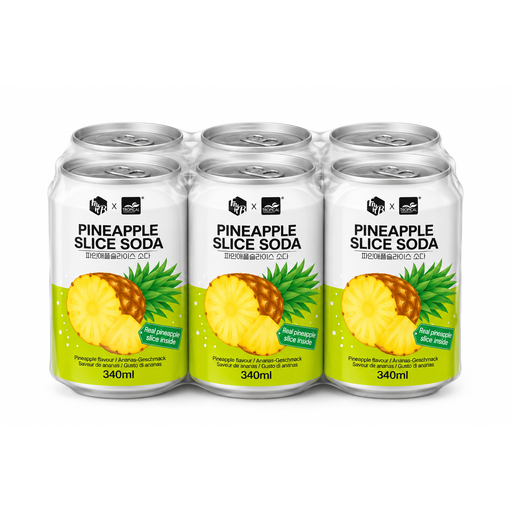
Why this fits the profile: Six individual cans are practical for a small household, a party or a chilled drink without opening a large bottle.
The percentage of pineapple slices and pineapple juice concentrate is stated. You can therefore factor the limited amount of fruit into your buying decision.
340 ml per can, carbonated and with a real pineapple slice. The product information states 51 kcal per 100 ml.
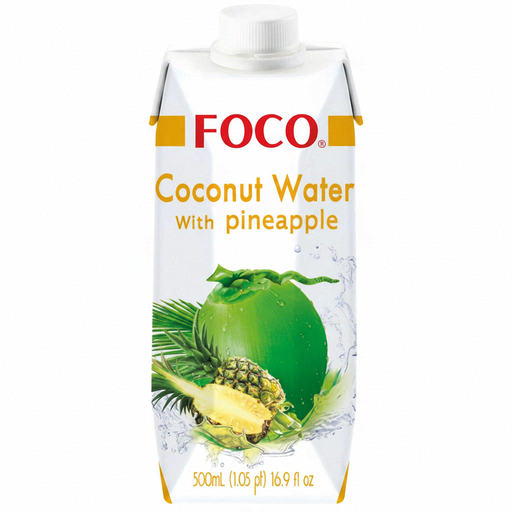
Why this fits the profile: Suitable for anyone looking for a lighter tropical drink with coconut water as a base and pineapple as an addition, for example served chilled or as a mixer.
The product description clearly states 5% pineapple juice. This avoids confusion with pure pineapple juice or a drink with a high pineapple percentage.
500 ml, 5% pineapple juice and according to the product information 20 kcal per 100 ml. The pack is intended for drinking chilled or mixing.
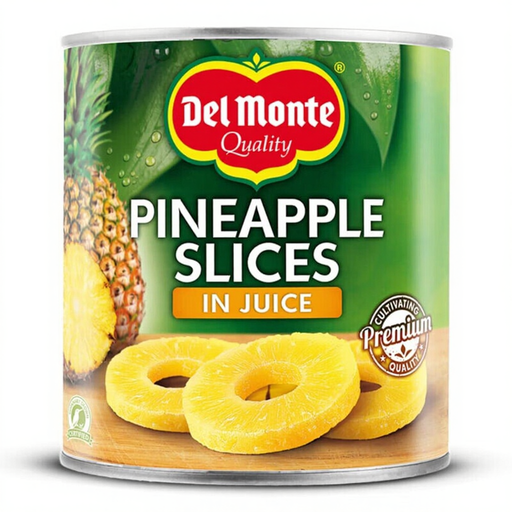
Why this fits the profile: A large supply of pineapple slices in juice suits households that often make desserts, salads, cocktails or hot dishes.
The ingredients list only mentions pineapple and pineapple juice. You’re not buying a fizzy drink with flavouring as the main ingredient.
820 g content, ready to use and suitable for both desserts and savoury recipes. The product information states 57 kcal per 100 g.
We’ve put together a full, up-to-date list of products that fully meet these strict selection criteria and comply with current European safety regulations.
For breakfast or a large group, a 1-litre bottle is practical. According to the product description, Appelsientje Ananasje Pure Juice is intended for breakfast, as a thirst-quencher and in cocktails. If you want to combine several flavours, you could choose a tropical fruit drink with pineapple, mango, guava or apple.
For an Asian drink with extra texture, there are products like Mogu Mogu Drink Pineapple with nata de coco. Bear in mind that the supplied product information may not show all the composition details in full. So check the physical label before use.
For recipes, pineapple pieces in juice or pineapple slices in juice are usually more convenient than liquid pineapple juice. The juice from the tin can also be used in a dressing, cocktail or dessert sauce. Don’t leave opened fruit pieces in a damaged tin; store leftovers according to the label in a sealed container and keep them chilled.
No. Pineapple juice can contain juice or juice from concentrate, whereas pineapple fizzy drink usually contains carbonation, water, sugar and flavourings. Read the ingredients list and check the fruit percentage.
Always follow the storage advice on the packaging. In many cases, an opened bottle or pouch must be kept chilled and drunk within a few days or the stated period. Seal the pack tightly.
That depends on the recipe. Pure or concentrated pineapple juice gives a clear fruit flavour. Coconut water with pineapple is lighter and can work in tropical mixed drinks. A carbonated pineapple drink adds bubbles and sweetness, but can affect the taste of other ingredients more strongly.
