
Vandaag of morgen in huis

Kwaliteit gegarandeerd

Welkomstaanbiedingen ontgrendelen: GRATIS bezorging | Tot 80% korting | Gratis 30 dagen JoyPlus-proefperiode
Download de app
A pineapple drink may seem easy to choose at first glance. Yet pineapple juice, pineapple soda, pineapple lemonade and Asian-style drinks can differ significantly in composition, format and occasion. A small pouch is convenient for on-the-go drinking, while a multipack of cans is better suited to a party. Sugar content, carbonation and potential allergens also deserve attention.
As a Joybuy Product Recommendation Officer, I filter the most important product information so you can distinguish marketing language from verifiable specifications. The choices below are based on the available product descriptions, ingredient lists, nutritional values and packaging information. Always check the physical label before consuming: packaging and online information may change.
A prominent pineapple on the label says nothing about the percentage of juice or purée. Some drinks are made primarily from water, sugar, acidity regulators and flavourings. CAFFE BENE Pineapple Ade, for example, lists 3% pineapple juice concentrate, alongside synthetic pineapple flavouring. This makes it a pineapple drink with a fruity taste, but it is not the same as pineapple juice with a high fruit content.
Therefore, look for terms such as:
A pineapple drink may be carbonated, still, creamy or contain pieces. HATAKOSEN Ramune Pineapple is a carbonated soft drink. Mogu Mogu Pineapple contains nata de coco pieces, creating a different drinking experience from a smooth pineapple lemonade. A 190 ml pouch is primarily practical for a short drinking break.
First consider whether you are looking for:
A pack containing 30 bottles or cans may be convenient for an event, but less suitable if you do not yet know whether you like the flavour. Compare the price per litre, shelf life and available storage space. For a household, a 500 ml bottle or one-litre carton may be more practical than a large case.
Check the ingredients in descending order by quantity. If water or sugar appears first, the product is generally a soft drink or lemonade rather than pure pineapple juice. Mogu Mogu Pineapple lists water, coconut water, sugar and fructose among its ingredients. According to the product information, the drink contains none of the 14 major EU allergens.
Also check for colourings, preservatives and sweeteners if you prefer to limit them. Fanta Pineapple, for example, lists the colourings E102 and E110. According to the product information, these colourings must be accompanied by the relevant warning regarding activity and attention in children. Check the current label for complete information.
Always compare nutritional values per 100 ml, rather than only per bottle or can. This allows you to make a fair comparison between a 190 ml pouch, a 500 ml bottle and a 355 ml can.
As a practical guideline, consider:
The product information cited varies considerably. HATAKOSEN Ramune Pineapple lists 42 kcal and 4.5 grams of sugar per 100 ml, while Mogu Mogu Pineapple lists 37 kcal and 7.5 grams of sugar per 100 ml. Use these figures as a point of comparison and verify them on the packaging of the product delivered.
A resealable pouch or small bottle is convenient for picnics and school bags. For a barbecue or birthday party, cans and multipacks are easy to distribute. Once opened, the drink should be stored in the refrigerator and consumed within the specified period, according to the product information.
Extra caution is essential in the case of allergies. Products labelled “none of the 14 major EU allergens” are not automatically suitable for every individual allergy. Manufacturer information, cross-contamination and label changes may all play a role. Always read the current packaging.
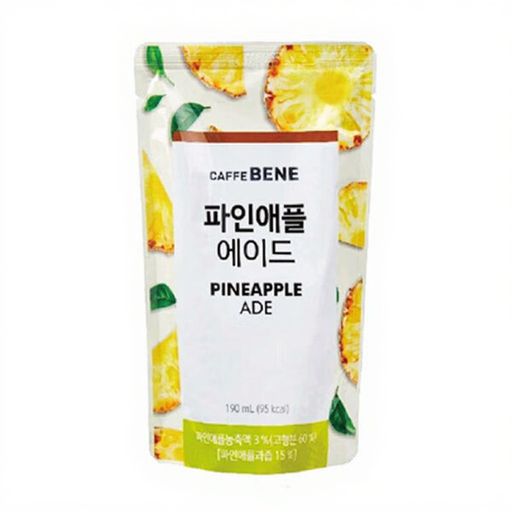
Why This Fits Their Persona: The small portion is ideal for trying pineapple drinks for the first time, taking on a picnic or enjoying on the go.
The format means you do not have to commit to a large multipack before knowing whether you like the flavour. According to the product information, the product contains none of the 14 major EU allergens.
190 ml per pouch; suitable for on-the-go drinking and storage in a cool, dark place.
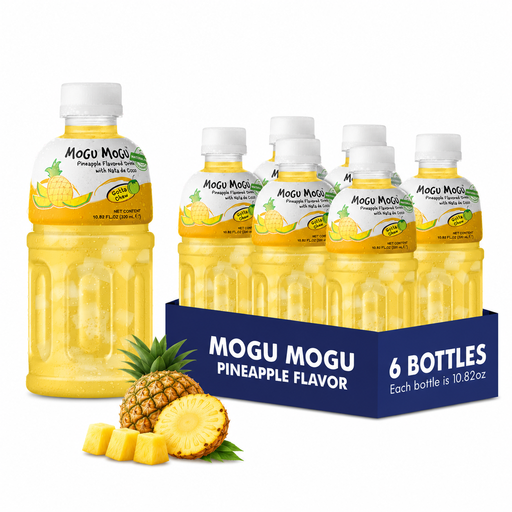
Why This Fits Their Persona: The combination of pineapple flavour and nata de coco pieces delivers more texture than a conventional exotic soft drink.
The product description clearly specifies the coconut pieces, so you know in advance that this is not a completely smooth pineapple drink.
320 ml per bottle; six bottles per pack; 37 kcal per 100 ml according to the product information.
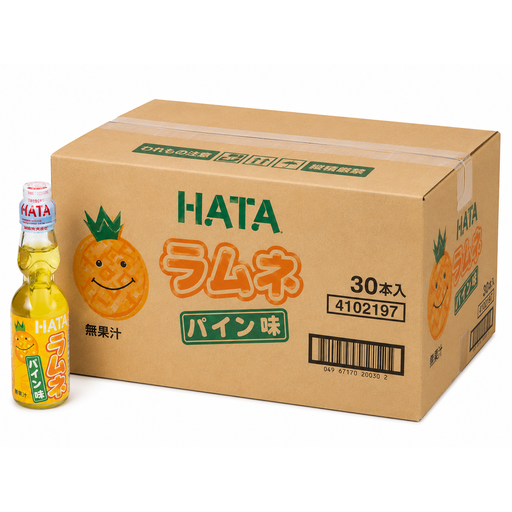
Why This Fits Their Persona: The large number of small bottles is ideal for birthdays, events and households that regularly serve a carbonated tropical drink.
The carbonated nature and serving size are clearly stated in the product information. This makes it less likely that you will expect a still fruit drink.
30 bottles of 200 ml; 42 kcal and 4.5 grams of sugar per 100 ml according to the stated nutritional values.
Not every pineapple enthusiast wants pineapple juice exclusively. The range also includes banana soft drinks and creamy variants, such as Alpro Soya Drink Banana in a one-litre format, MAAZA Banana Drink in a one-litre format and Lotte Milkis Banana. Alpro describes a plant-based soy drink that is offered as lactose-free, gluten-free and vegan; the product does contain soy. According to the product information, MAAZA Banana Drink contains 23% banana purée and none of the 14 major EU allergens.
Those primarily looking for a non-carbonated fruit drink may also want to consider Dubbeldrank Banana & Cherry. For children, always follow the age recommendation and preparation instructions; baby food such as Ella’s Kitchen Banana + Coconut is not a conventional soft drink and should not be treated as a general pineapple lemonade.
Browse our current range of drinks and compare them by flavour, packaging, volume, ingredients and occasion.
No. Pineapple juice generally contains juice or juice from concentrate as a key ingredient. A pineapple soft drink or pineapple lemonade may consist primarily of carbonated water, sugar, acidity regulator and flavouring. Check the stated fruit content and ingredients list.
The product information for the drinks mentioned recommends storing an opened container in the refrigerator and consuming it within the specified period. Close the cap or packaging securely. Do not drink from a container whose seal was damaged before first use.
Small bottles or cans are easy to distribute at a party. A pack such as HATAKOSEN Ramune Pineapple 30 × 200 ml is designed for serving multiple guests. For a smaller household, a pouch, 500 ml bottle or one-litre pack may be more practical. Always compare the price per litre and check the best-before date.
