
Vandaag of morgen in huis

Kwaliteit gegarandeerd

Welkomstaanbiedingen ontgrendelen: GRATIS bezorging | Tot 80% korting | Gratis 30 dagen JoyPlus-proefperiode
Download de app
If you're searching for authentic pineapple cake, you probably already know that not all pastries are created equal. The quest for that perfect balance of a crumbly, buttery crust and a sweet, fruity filling can be daunting. This article is designed as a practical guide. We're skipping the marketing fluff to focus on what truly matters: the specifications and flavours, so you can make an informed choice that suits your taste.
Before we dive into the products, here are a few key factors to consider when selecting the right pineapple cakes.
The filling is the heart of the pineapple cake. Traditional Taiwanese pineapple cake, also known as Feng Li Su, often used a blend of pineapple and winter melon. Winter melon gives the filling a smoother texture and a milder sweetness. In contrast, more modern varieties emphasize a pure pineapple filling, resulting in a more fibrous texture and a tangy flavour. Both styles have their fans; the choice comes down to personal preference.
Pineapple pastries are a naturally sweet treat. Many classic recipes are generous with sugar to preserve the filling and enhance the flavour. Today, manufacturers are responding to the demand for more health-conscious options. Look for packaging that indicates a low-sugar snack. These versions often use sweeteners or simply less sugar, resulting in a lighter taste that allows the natural fruitiness of the pineapple to shine through.
Although often grouped together, there are subtle differences. The Taiwanese Feng Li Su is typically a block-shaped, buttery pastry. Chinese pineapple cake can vary, with the Cantonese style from renowned brands like Guangzhou Restaurant having its own rich heritage. These differences often lie in the texture of the pastry and the sweetness of the filling.
Below is a selection of pineapple cakes available on the Dutch market, based on their product specifications.

Why It Stands Out: This product from Hsu Fu Chi focuses on a lighter taste experience. The filling contains a significant amount of pineapple pulp (≥22%), and the recipe is adapted for reduced sugar, using sweeteners for a mild sweetness.
Benefits:
Who Is It For?: Ideal for those who love the classic flavour of pineapple cake but prefer a less sweet version. A great choice if you're looking for a low-sugar snack to enjoy with tea.
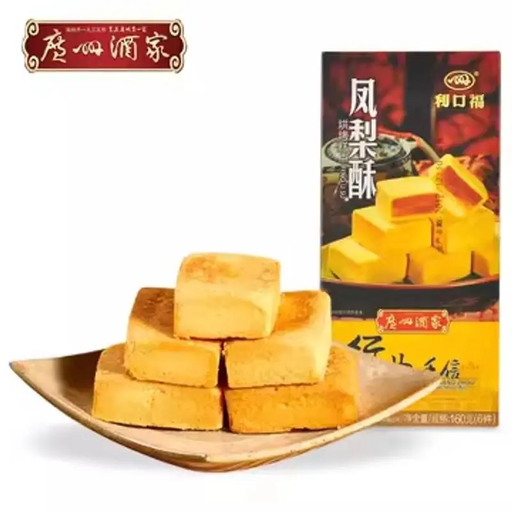
Why It Stands Out: These pineapple cakes come from Guangzhou Restaurant, a highly renowned brand in China. This is a classic Cantonese pastry with a crumbly crust and a sweet and tangy filling. The focus is on the traditional flavour and the brand's craftsmanship.
Benefits:
Who Is It For?: Perfect for fans of traditional Asian snacks who want to experience the authentic taste of a classic Chinese pineapple cake. Also an excellent option for gifting.
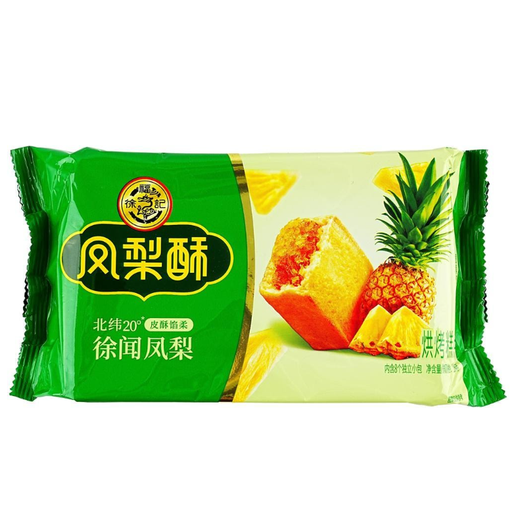
Why It Stands Out: This is the standard version from Hsu Fu Chi. The filling combines pineapple pulp (≥13%) with winter melon, creating a traditional, smoother, and sweeter filling. It's a classic pineapple pastry that appeals to a broad audience.
Benefits:
Who Is It For?: A great choice for those seeking the classic, sweet taste of Feng Li Su. If you appreciate the traditional texture of the filling, this is a fitting option.
Pineapple cake is just one of the many delicious treats the Asian culinary world has to offer. Are you curious about other options, such as mochi, egg cakes, or other sweets?
-> Explore more sweet treats, cakes, and pastries here
Feng Li Su (鳳梨酥) is the Mandarin Chinese name for pineapple cake. It is one of Taiwan's most famous pastries and a popular souvenir. The name directly refers to its ingredients: "fènglí" means pineapple, and "sū" means crumbly pastry.
Pineapple cakes are ready to eat straight from the package. They are usually eaten at room temperature. They pair wonderfully with a cup of tea, such as oolong or green tea, which helps to balance the sweetness. You can also warm them in the microwave or oven for a few seconds for a warm, soft pastry.
Although the terms are often used interchangeably, there are subtle differences. Taiwanese pineapple cake (Feng Li Su) is typically square or rectangular, with a buttery pastry and a filling that is either pure pineapple or a mix with winter melon. Chinese pineapple cake can have more variation in shape and recipe, depending on the region. The Cantonese style, for example, may have a slightly different pastry composition and sweetness level.
