
Vandaag of morgen in huis

Kwaliteit gegarandeerd

Welkomstaanbiedingen ontgrendelen: GRATIS bezorging | Tot 80% korting | Gratis 30 dagen JoyPlus-proefperiode
Download de app
Buying peanuts seems straightforward, until you have to choose between salted peanuts, roasted peanuts, coated party nuts, seasoned peanuts or a peanut protein bar. The packaging often focuses on flavour and occasion, while important details about ingredients, allergens and nutritional values are less prominent.
This buying guide helps you compare peanut snacks in a practical way. That way, you can make a more informed choice for everyday snacking, drinks with friends, a party, a snack on the go or an Asian-inspired flavour.
In coated peanut snacks, some of the product is made up of flour, starch, sugar, oil and flavourings. For example, Duyvis Coated Peanuts Provençal contains 50% peanuts. Duyvis Oriental Borrelnootjes contains 49%. That’s quite different from a bag of plain roasted peanuts, which has a much higher peanut content.
So check the quantitative ingredients declaration. Are peanuts listed as the first ingredient, and what percentage is stated? This gives you a better idea than terms such as “full of flavour” or “extra crunchy”.
Always compare the nutritional values per 100 grams, not just per serving. A 30-gram serving may seem small, but the total can quickly add up when you’re enjoying snacks with friends. Duyvis Salted Peanuts list 0.73 grams of salt per 100 grams. Seasoned or coated varieties can contain more, such as 1.3 grams in the Provençal variety and 1.4 grams in several seasoned options.
Check the sugar content too. According to the product information, Duyvis Honey & Lightly Salted Oven-Roasted Peanuts contain 25 grams of sugar per 100 grams. This suits their sweet-and-savoury flavour, but makes them different from plain roasted peanuts.
Peanuts are an allergen that must be clearly declared. Coatings may also contain wheat, milk, soya, celery, fish or other nuts. For example, KOH-KAE Nori Wasabi lists peanuts and wheat. The Hero Protein Peanuts and Chocolate bar contains peanuts, milk and soya, and may contain other nuts.
Have an allergy or intolerance? Always check the current packaging, even if the product seemed suitable before. Information on a product page can change.
For a straightforward savoury peanut snack, salted or roasted peanuts are a natural choice. Check the percentage of peanuts, the oil used and how they’re prepared. “Dry roasted” means the peanuts are roasted without oil; other products have oil added.
If you’re after a more distinctive flavour, seasoned or spicy peanuts, or coated peanuts, may be a better fit. A coating adds crunch, but often contains starch, sugar or flour too. So check both the ingredients list and the nutritional values.
Peanuts naturally provide fat, protein and fibre. The values listed vary by recipe. For example, g’woon Salted Peanuts list 26.7 grams of protein and 6.3 grams of fibre per 100 grams. Duyvis Roasted Peanuts list 24 grams of protein and 7 grams of fibre.
A protein bar isn’t the same as a bag of peanuts. According to the product information, Barebells Protein Salty Peanut contains 37 grams of protein per 100 grams, but also includes milk proteins, hydrolysed collagen and sweeteners. The Hero bar contains 17 grams of protein per 100 grams and, according to the product description, is made up of more than half peanuts. So compare the full ingredients list rather than just the front of the packaging.
Packs of around 200 to 275 grams are practical for a party. Individually wrapped bars or smaller bags are more convenient on the go. Once opened, store peanuts in a cool, dry place and keep them tightly sealed, following the product information. Don’t use a product if the packaging is damaged or swollen.
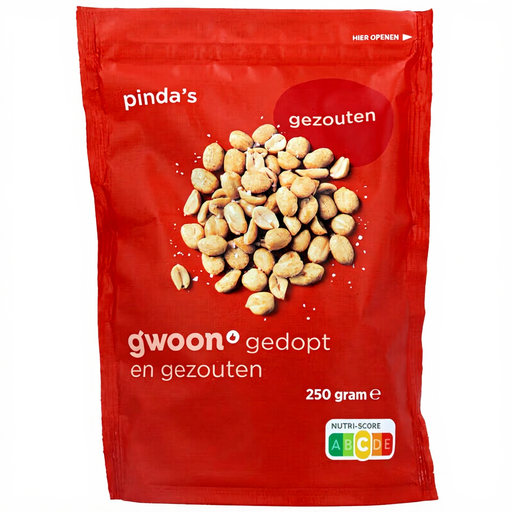
Why it suits this shopper: A straightforward choice if you’re looking for plain salted peanuts to enjoy at home, during a film night or with drinks, without any extra flavouring.
The ingredients list states 99% peanuts, sunflower oil and 0.7% salt, making the ingredients easy to understand.
250 grams, with 26.7 grams of protein and 6.3 grams of fibre per 100 grams, according to the product information.
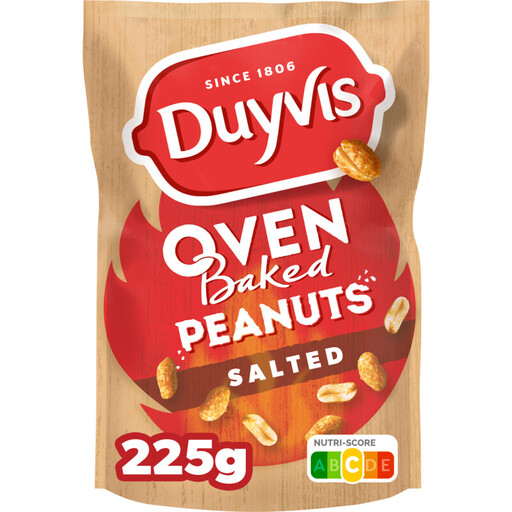
Why it suits this shopper: A good choice if you’re looking for a savoury roasted snack with a high peanut content for regular enjoyment.
The product information states 97% peanuts, so you get fewer coating ingredients than in coated party nuts.
225 grams, with 24 grams of protein and 7 grams of fibre per 100 grams; ideal for sharing.

Why it suits this shopper: For fans of spicy peanuts, umami and Asian-inspired snacks to enjoy with drinks or at a party.
The packaging and product information clearly identify nori, wasabi, wheat and peanuts. Check the full ingredients list if you have allergies.
A crunchy coating, a distinctive wasabi and seaweed flavour, and a 230-gram pack.

Why it suits this shopper: An individually wrapped peanut snack for your bag, the office or when you’re out and about, when a bar is more practical than a bag of nuts.
The serving is 55 grams, and the product information clearly identifies milk and peanuts as allergens. It also states that sweeteners are used.
37 grams of protein per 100 grams, according to the product information, and a milk chocolate coating with roasted peanuts.
We’ve put together a complete, up-to-date list of products that meet these strict selection criteria and the applicable European safety requirements.
Salted or roasted peanuts are a classic choice to serve with drinks. For more variety, choose coated party nuts in Provençal, Oriental, teriyaki or honey flavours. Serve a selection of flavours and check the allergens beforehand, especially if any of your guests have food allergies.
Store the bag in a cool, dry place, away from direct sunlight. Seal a resealable pack tightly or use an airtight container. This helps limit moisture and keeps the peanuts crunchy for longer. Always follow the storage instructions on the packaging.
No. A protein bar often contains milk proteins, sweeteners, chocolate, syrups or other ingredients. It may have a higher protein content, but its ingredients and serving size differ from those of plain peanuts. So compare the protein, sugar, fat, allergens and ingredients for each product.
