
Vandaag of morgen in huis

Kwaliteit gegarandeerd

Welkomstaanbiedingen ontgrendelen: GRATIS bezorging | Tot 80% korting | Gratis 30 dagen JoyPlus-proefperiode
Download de app
Waking up with a stiff neck is an unpleasant start to the day. It can impact your mood and productivity. Often, an unsuitable pillow is the culprit. The market is flooded with pillows making all sorts of promises, which doesn't make the choice any easier.
My name is Joybuy, and as a Product Recommendation Officer, my job is to help you make an informed choice. In this article, I'll provide practical information and a selection of pillows designed to offer support, so you can find a product that suits your sleeping habits.
Before we dive into the products, here are a few key factors to guide your decision. The right pillow is a personal choice, and what works for one person may not be ideal for another.
The material largely determines the pillow's comfort and support. A popular choice is memory foam, which is renowned for its pressure-relieving properties. It contours to the shape of your head and neck, providing even support and keeping the spine in a neutral position. For those who tend to sleep hot, a cooling pillow with gel technology or breathable materials can be a game-changer.
An ergonomic pillow often has a special contoured shape, like a wave, to follow the natural curve of the neck. This type of neck pillow is designed to fill the space between your shoulder and head.
You use your pillow every night, so hygiene is crucial. Check if the pillow has a removable and washable cover. Some materials, like bamboo, have natural moisture-wicking and breathable properties, which contribute to a fresh sleeping environment.
Based on product specifications and their design for support and comfort, we have selected the following options.
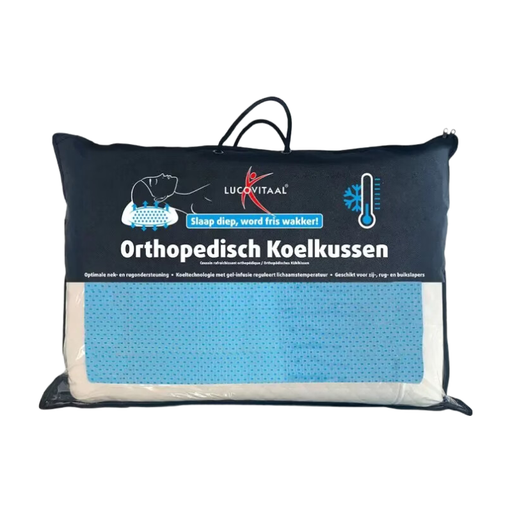
Why It Stands Out This pillow from Lucovitaal combines two highly sought-after features: orthopedic support and a cooling effect. The special gel technology is designed to absorb and dissipate heat, while the breathable mesh fabric promotes air circulation.
Pros
Who Is It For? This pillow is a compelling option for hot sleepers looking for a versatile orthopedic pillow that adapts to various sleeping positions.
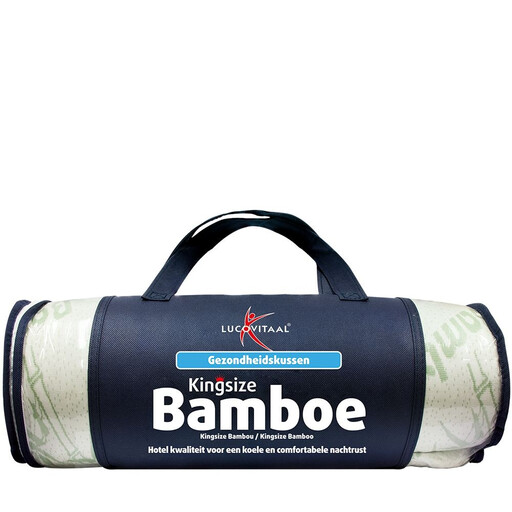
Why It Stands Out This pillow combines a filling of pressure-relieving memory foam with a bamboo cover. Bamboo fibres are known for their moisture-wicking and breathable properties, which the manufacturer claims help reduce perspiration and provide a cool feeling.
Pros
Who Is It For? This pillow is suitable for those who want to combine the benefits of memory foam with the natural properties of bamboo for a cooler, drier night's sleep.
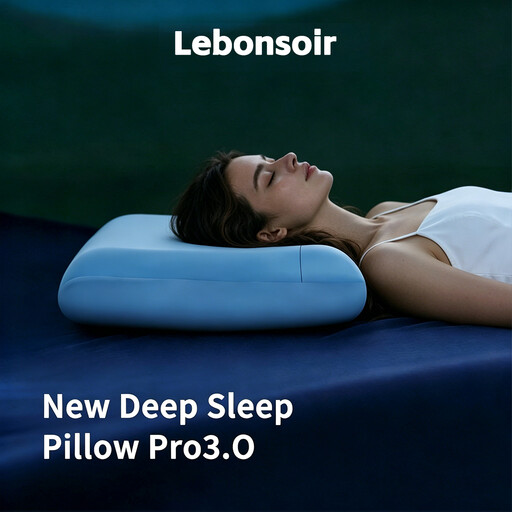
Why It Stands Out This ergonomic pillow from Lebensoir is distinguished by its 3-layer foam construction. Each layer serves a specific function: a soft top layer for comfort, a supportive middle layer to prevent sinking too deeply, and a firm base layer for stability. The contour shape is specifically designed for the neck and shoulders.
Pros
Who Is It For? This pillow is a great choice for individuals with specific neck and shoulder issues, such as office workers or seniors, who are looking for a structured and targeted neck pillow.
The right support isn't just important for your neck. If you're also looking for outdoor comfort, check out our selection of outdoor patio furniture cushions for your deck or balcony.
1. What is the difference between an ergonomic and an orthopedic pillow? The terms are often used interchangeably. An ergonomic pillow is designed with efficiency and comfort in mind, conforming to the human body's structure. An orthopedic pillow is more focused on providing therapeutic support to the musculoskeletal system, aiming to promote correct body posture. In practice, both types of pillows aim to improve your sleeping posture and reduce discomfort.
2. How do I know which pillow height is right for me as a side sleeper? For a pillow for side sleepers, the rule of thumb is that it should completely fill the space between your head and the mattress, allowing your neck and spine to form a straight line. The ideal height depends on the width of your shoulders. People with broader shoulders typically need a higher pillow than those with narrower shoulders.
3. How long does a memory foam pillow last? A memory foam pillow lasts for about 2 to 3 years on average. You'll know it's time for a replacement when the pillow loses its shape, no longer springs back as it used to, or when you notice the support diminishing and your symptoms returning. Regularly washing the cover and airing out the pillow can extend its lifespan.
