
Vandaag of morgen in huis

Kwaliteit gegarandeerd

Welkomstaanbiedingen ontgrendelen: GRATIS bezorging | Tot 80% korting | Gratis 30 dagen JoyPlus-proefperiode
Download de app
Waking up with a stiff, painful neck is a poor start to any day. For many, this is a familiar problem, often caused by long hours at a desk, an improper sleeping position, or simply a pillow that fails to provide adequate support. The right pillow is not a luxury but a necessity for restorative sleep and alleviating pain.
As a Joybuy Product Recommendation Officer, my role is to guide you in making an informed decision. In this guide, we'll explore what to look for when choosing a pillow for neck pain and showcase a few top contenders based on their specifications and design.
The pillow market can be overwhelming. To help you navigate it, here are three key factors to consider.
The material determines how a pillow conforms to your head and neck. A memory foam pillow is a popular choice. This material responds to body heat and pressure, moulding precisely to the contours of your neck and head. This provides even pressure distribution and can help alleviate tension in your neck muscles. Also, consider the breathability of the pillow cover to avoid getting too warm during the night.
An ergonomic pillow or cervical pillow is specifically designed to follow the natural curvature of your spine. These pillows often feature a contoured, wave-like shape with a higher and a lower loft, or a central cradle for your head. This type of neck support pillow ensures your neck stays in a neutral position, whether you're a back or side sleeper. For those experiencing pillow-related shoulder pain, this design can perfectly fill the gap between the neck and shoulders, which is crucial for side sleepers.
The ideal loft (height) of your pillow depends on your sleeping position and body frame.
A quality orthopaedic pillow often provides adjustable height options or is designed to accommodate multiple sleeping positions.
Based on the criteria above, we've selected a few products that stand out for their unique design and material choices.
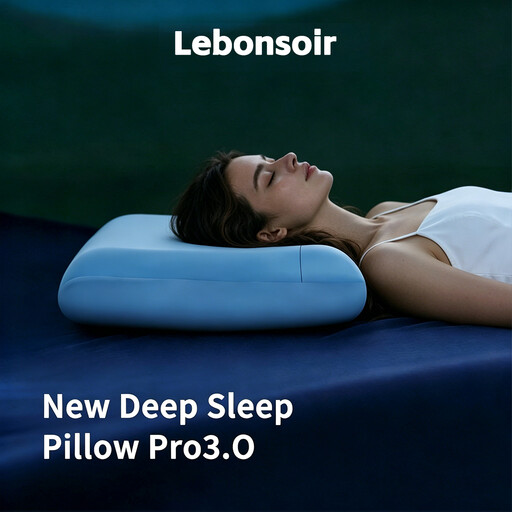
Why it stands out: This pillow uses a three-layer foam construction. The top layer is soft, slow-response memory foam for comfort. The middle layer provides support to prevent sinking too deeply, and the bottom layer ensures a stable base. This combination is engineered for both comfort and correct alignment.
Pros:
Who is it for? For individuals seeking a technologically advanced pillow that delivers a precise balance of soft comfort and structural support to address neck and shoulder pain.
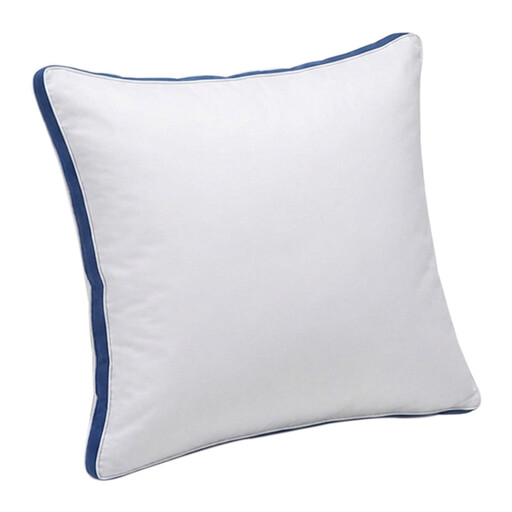
Why it stands out: This pillow offers a more traditional shape and feel, similar to what you would find in a luxury hotel. It is hypoallergenic and designed to be both soft and resilient. The buy-one-get-one-free offer makes it an excellent value choice.
Pros:
Who is it for? For those who prefer a classic, soft pillow and appreciate the luxurious feel of a hotel pillow. Also a great option for guest rooms or if you're looking for a value set.
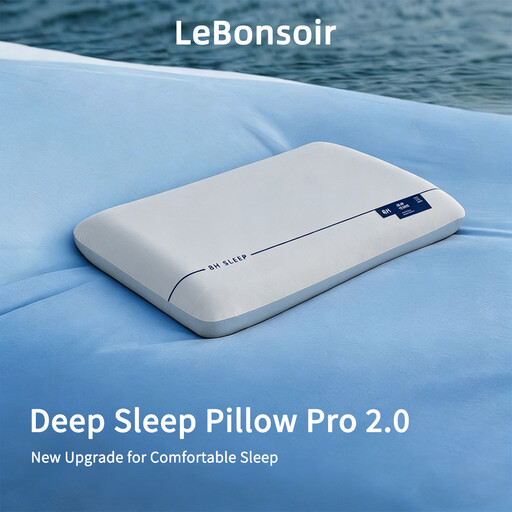
Why it stands out: This model is a solid choice for those seeking the benefits of an ergonomic memory foam pillow in a slightly simpler design than the Pro 3.0. It provides targeted support for the neck and shoulders with a contour shape and a central depression that, according to the manufacturer, can facilitate easier breathing.
Pros:
Who is it for? For users who want an effective and no-nonsense ergonomic pillow to improve their sleeping posture and reduce pain, particularly students, office workers, and seniors.
A good pillow is essential for night-time rest, but daytime comfort is equally important for relaxation. If you often read in bed or sit on the sofa and could use extra back or neck support, a different type of pillow may be beneficial.
For comfortable support while reading or relaxing, browse our selection of reading pillows.
The terms are often used interchangeably. Essentially, both refer to a pillow designed to promote a healthy, neutral spinal alignment. An ergonomic pillow focuses on a design that adapts to the body's shape and movement, whereas an orthopaedic pillow is more commonly associated with correcting or preventing musculoskeletal problems. In practice, both types usually offer a contoured shape for neck support.
Here's a simple guideline: lie on your side. The ideal loft should completely fill the gap between your head and the mattress, keeping your neck in a straight line with your spine. For back sleepers, the pillow should support the natural curve of your neck without tilting your head forward. If you have broad shoulders, you'll likely need a higher pillow than someone with a smaller frame.
A memory foam pillow typically lasts 2 to 3 years. You'll know it's time for a replacement if the pillow loses its shape, no longer slowly returns to form after being compressed, or if you find your pain returning. Regularly washing the cover and airing out the pillow can help extend its lifespan.
