
Vandaag of morgen in huis

Kwaliteit gegarandeerd

Welkomstaanbiedingen ontgrendelen: GRATIS bezorging | Tot 80% korting | Gratis 30 dagen JoyPlus-proefperiode
Download de app
Waking up with a stiff neck is an unpleasant start to the day. The wrong pillow can cause tension in your neck and shoulders, leading to restless nights and daytime pain. The market is flooded with pillows making all sorts of promises, which doesn't make the choice any easier.
As a Joybuy Product Recommendation Officer, my job is to help you make an informed choice. In this article, I'll provide practical tips and a selection of pillows designed for support and comfort, helping you find a pillow that suits your sleeping habits.
Before we look at the products, here are a few key points to help you in your search for a suitable pillow for neck pain.
The way you sleep greatly influences the type of pillow you need. The goal is to keep your spine, from your lower back to your neck, in a neutral, straight alignment.
A pillow's material determines both its comfort and level of support.
An ergonomic pillow or orthopedic pillow often has a specific shape designed to offer extra support. This could be a contoured wave shape with a higher and a lower side, or a butterfly shape that cradles the neck and shoulders. Such a neck support pillow can help reduce pressure on the cervical vertebrae.
Based on product specifications and design, we have highlighted some compelling options for you.
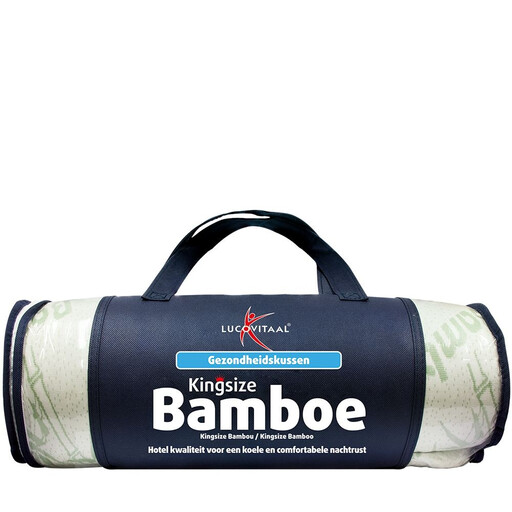
Why It Stands Out This pillow combines a generous size with a filling of pressure-relieving memory foam and a cover containing bamboo fibres. According to the manufacturer, Lucovitaal, the breathable bamboo fibres provide a moisture-wicking and cooling effect.
Pros
Who Is It For? This pillow is a compelling option for people who tend to get hot at night and prefer a large, supportive pillow. Its medium firmness makes it suitable for both back and side sleepers.
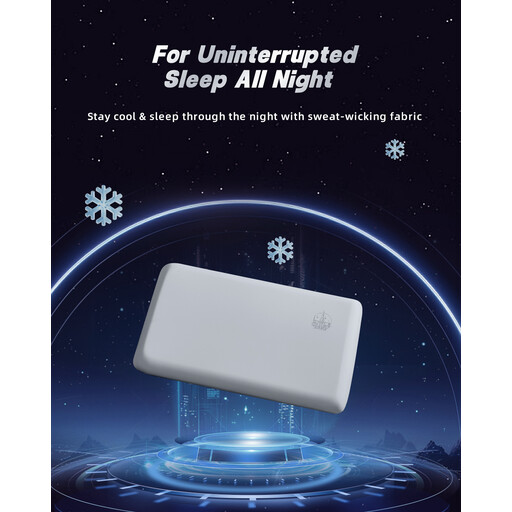
Why It Stands Out The MENDALE pillow features an ergonomic pillow design that the manufacturer claims is suitable for side, back, and stomach sleepers. Its shape is intended to support the neck naturally and relieve pressure.
Pros
Who Is It For? Thanks to its versatile design, this pillow is an option for people who change sleeping positions or are looking for an all-around neck support pillow. It is particularly interesting for those seeking a specifically shaped pillow that adapts to different positions.
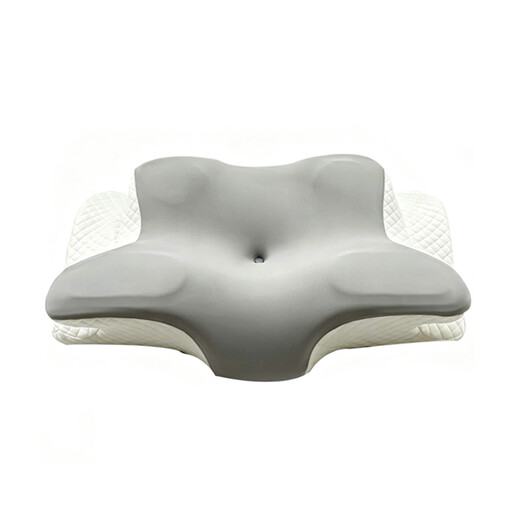
Why It Stands Out This pillow from JORDAN&JUDY immediately stands out with its unique butterfly shape. This design is intended to precisely cradle the neck and shoulders. It is made from 'slow-rebound' memory foam, which adapts slowly and distributes pressure evenly.
Pros
Who Is It For? This pillow is particularly suitable for back and side sleepers who need very specific, contour-following support. If you find that traditional pillows don't provide the right support in the hollow of your neck, this shape could be the solution.
A pillow is a personal choice, and what works for one person may not be ideal for another. The selection above is a starting point in your search. If you prefer a different shape, material, or firmness, many more options are available.
Be sure to check out our full collection of Designer Home Accessories for more options in sleep comfort.
1. What is the difference between an ergonomic and an orthopedic pillow? Although the terms are often used interchangeably, there is a subtle difference. An ergonomic pillow is designed for optimal comfort and efficiency, fitting the human body's structure. An orthopedic pillow is specifically designed to support the musculoskeletal system (bones, joints, muscles) and to alleviate or prevent issues. In practice, the designs overlap significantly.
2. How do I know if my pillow is too high or too low? A simple check: lie down in your favourite sleeping position. If you're on your side, your nose should be in line with the centre of your chest. If your head tilts up or down, the height is incorrect. For back sleepers, your chin should not point towards your chest (too high) or tilt backwards (too low). Your neck should remain in a neutral position.
3. How long does a memory foam pillow last? A memory foam pillow generally has a lifespan of 2 to 3 years. Over time, the foam loses its resilience and supportive properties. You'll notice this when the pillow no longer bounces back to its original shape or when you start waking up with a stiff neck more often.
