
Vandaag of morgen in huis

Kwaliteit gegarandeerd

Welkomstaanbiedingen ontgrendelen: GRATIS bezorging | Tot 80% korting | Gratis 30 dagen JoyPlus-proefperiode
Download de app
Waking up with a stiff neck is a frustrating start to the day. It can affect your mood, concentration and energy levels. Often, the culprit is a pillow that doesn't provide the right support for your body and sleeping position. A good pillow for neck pain isn't a luxury; it's an essential component for a restorative night's sleep.
As a Joybuy Product Recommendation Officer, I'm here to help you navigate the many options. This article provides practical tips and a selection of popular pillows, based on their specifications and features, so you can make an informed choice.
The search for the right pillow can be overwhelming. By focusing on a few key points, you can make the process much easier.
The way you sleep largely determines the type of pillow you need.
A pillow's material directly impacts its support and feel.
A standard rectangular pillow doesn't work for everyone. An ergonomic pillow or orthopaedic pillow often has a specific shape designed to optimally position the neck and shoulders. Think of a butterfly shape, a wavy contour, or a special recess for the head. These shapes are developed to keep the spine in a neutral position and reduce muscle tension.
Below is a selection of pillows that stand out for their specific features and design.
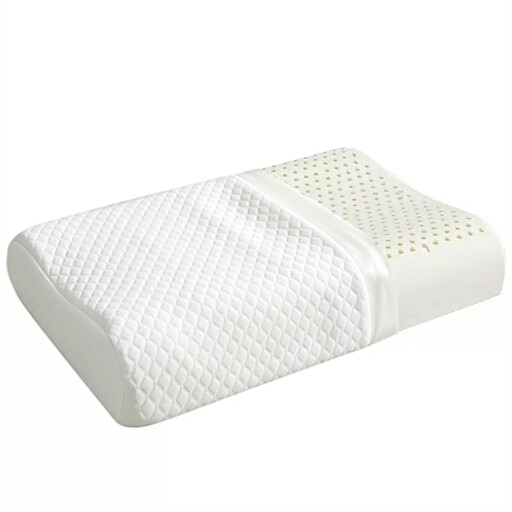
Why it stands out: This pillow is made from high-resilience latex, which provides a combination of softness and firm support. Unlike memory foam, which conforms slowly, latex offers a more immediate, springy pushback.
Pros:
Who is it for? For sleepers who prefer a resilient and breathable pillow over the sinking-in feel of memory foam.
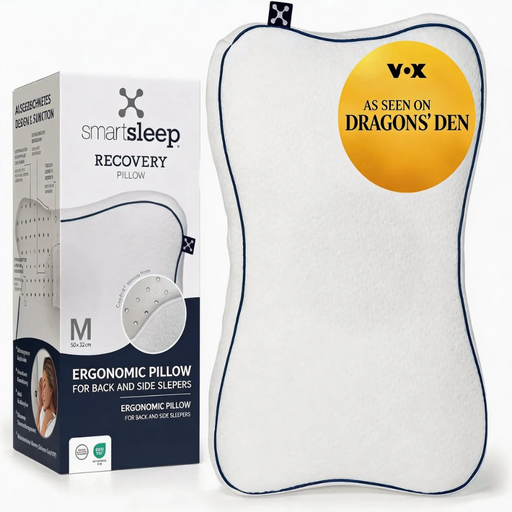
Why it stands out: This memory foam pillow is specifically designed with a recess for the head. According to the manufacturer, smartsleep, this promotes a natural sleeping posture. The integrated air channels in the core provide temperature regulation.
Pros:
Who is it for? For back and side sleepers looking for a pillow that stabilises the head while supporting the neck. Also a good option for people with sensitive skin.
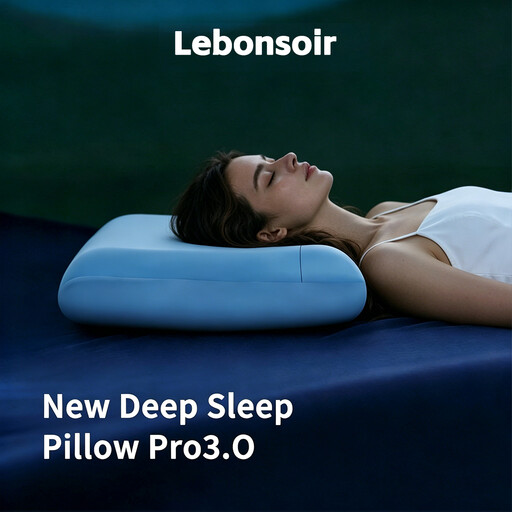
Why it stands out: This pillow's construction consists of three different foam layers. The top layer is soft and conforming, the middle layer prevents you from sinking in too deeply, and the bottom layer provides a stable base. This structure is intended to strike a balance between comfort and support.
Pros:
Who is it for? For sleepers seeking an advanced pillow that feels soft yet provides firm, layered support. Its versatility makes it an option for almost any sleeper.
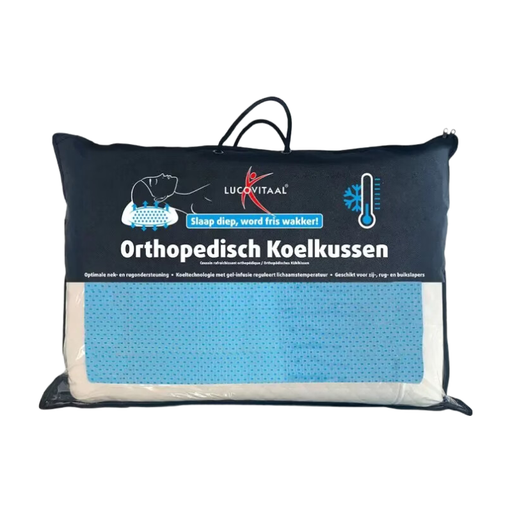
Why it stands out: The key feature of this pillow is its cooling gel technology. According to the manufacturer, Lucovitaal, this technology absorbs and dissipates heat, contributing to a more comfortable sleeping environment.
Pros:
Who is it for? Ideal for people who get hot at night and often wake up from the heat. It combines ergonomic support with active temperature regulation.
A pillow is a personal choice. What works for one person may not be ideal for another. If the options above don't quite match what you're looking for, there are many more possibilities.
Browse our full collection and discover more choices that fit your sleeping style and preferences.
Discover More Ergonomic Pillows
The terms ergonomic pillow and orthopaedic pillow are often used interchangeably. Generally, an ergonomic pillow focuses on providing comfort and support for a healthy posture. An orthopedic pillow is often more specifically designed to correct or alleviate physical ailments, such as neck or back pain, by keeping the spine in a specific alignment. In practice, the designs and goals often overlap significantly.
The right height depends on your sleeping position and body frame. A general guideline for side sleepers is that the pillow's height should bridge the distance between your neck and the tip of your shoulder. Back sleepers need a lower pillow that fills the hollow of their neck. Many ergonomic pillows have different heights on each side, so you can try out what feels best.
The lifespan of a pillow depends on the material and quality. A good memory foam pillow or latex pillow lasts an average of 3 to 5 years. Over time, pillows lose their resilience and supportive qualities. If you notice your pillow has become flat or you're waking up with neck pain more often, it's probably time for a new one.
