
Vandaag of morgen in huis

Kwaliteit gegarandeerd

Welkomstaanbiedingen ontgrendelen: GRATIS bezorging | Tot 80% korting | Gratis 30 dagen JoyPlus-proefperiode
Download de app
Pigmentation, dark spots and a dull complexion can be caused by factors including sunlight, skin ageing and hormonal changes. A serum for pigmentation can be a targeted step in your skincare routine, but not every product suits every skin type. The packaging may promise fast results, while the formula, frequency of use and sun protection are at least as important.
A high percentage of vitamin C, acids or other active ingredients may sound convincing, but it does not tell you everything about a formula’s tolerability and stability. A vitamin C serum containing a gentler derivative may be more practical for some users than a formula with pure vitamin C. Always check the full ingredients list and follow the directions for use.
Claims such as “visible in just a few weeks” are not a personal guarantee. According to NIVEA’s own research, the brand reports visible changes after a certain period of use with its LUMINOUS630 formulas. The studies and user tests mentioned do not automatically apply to every consumer. Skin type, age, existing discolouration and daily exposure to sunlight all play a role.
A serum for hyperpigmentation is not a substitute for sunscreen. UV radiation can make existing discolouration more visible and contribute to the development of new spots. During the day, use a broad-spectrum sunscreen with an appropriate protection factor, especially when using a vitamin C, acid or retinoid product.
Choose a formula based on your goal:
An ingredients list can be checked, but the presence of an ingredient does not prove that a product will remove your pigmentation. Cosmetics may help reduce the appearance of discolouration; they do not treat medical skin conditions.
Do you need a serum for sensitive skin? Do not rely solely on the claim on the front of the packaging. Also check whether the ingredients list includes fragrance, alcohol denat. or essential oils. “Suitable for all skin types” is a product description from the brand, not a guarantee that every skin type will tolerate the product without problems.
Test a new serum on a small area of skin first. Stop using it if you experience persistent redness, swelling, itching or a burning sensation. Do not use several potent active products at the same time until you know how your skin reacts.
A lightweight gel usually absorbs quickly and can feel comfortable under day cream or make-up. A richer formula containing glycerine, squalane, ceramides or hyaluronic acid may be better suited to dry or mature skin. Also check the size: 7, 15, 30, 50 or 100 ml makes a difference to the price per millilitre and how long the product will last.
Apply a serum after cleansing and before your moisturiser in most cases. The exact amount varies from product to product. Use the instructions on the packaging as a guide and store the product according to the label.
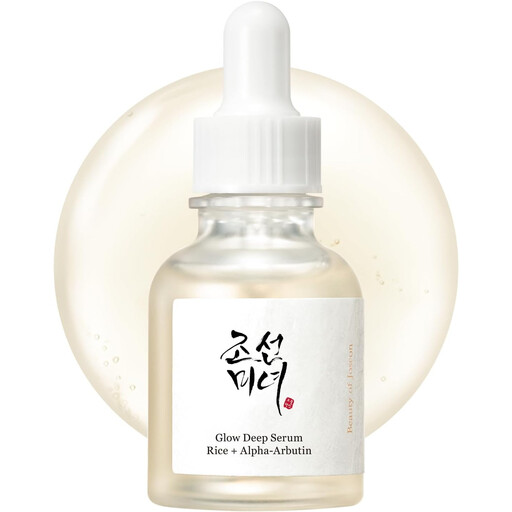
Why it suits this profile: According to the product information, the 30 ml formula combines 2% alpha-arbutin with rice bran water, glycerine and panthenol. This makes it a clear starting point for anyone looking for a lightweight serum for dull skin.
The product information states the percentage of alpha-arbutin and provides clear usage instructions. You therefore do not have to rely solely on a general term such as “glow”.
30 ml; 2% alpha-arbutin; alcohol-free, fragrance-free and vegan according to the product specifications.
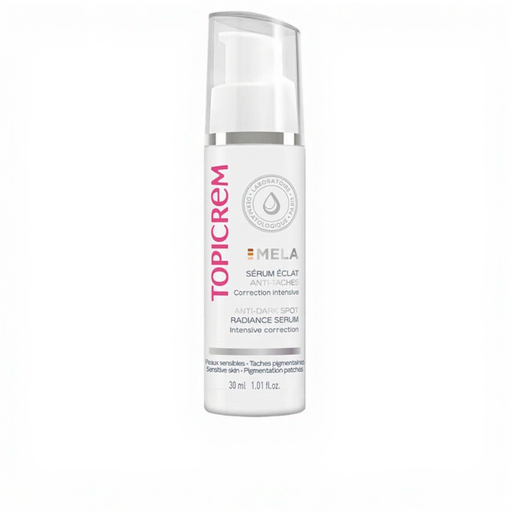
Why it suits this profile: According to the product information, this serum was developed for sensitive skin and contains gluconolactone, niacinamide, squalane and a vitamin C derivative, among other ingredients.
The product page states that it can be used on the face, neck and décolletage, and includes information about dermatological and ophthalmological testing. Always check the current label.
30 ml; dispenser; suitable for sensitive skin according to the product specification; morning and evening use stated.
We have put together a complete, up-to-date list of products that fully meet these strict selection criteria and the applicable European safety regulations.
An eye serum is not the same as a serum for the whole face. If your main focus is caring for the eye area, choose a product with clear instructions for that area. Avoid direct contact with the eyes.
Daily, consistent use is usually needed before you can assess a change in the appearance of your skin. The timeframe varies from one formula and person to another. Brand claims, such as results after a few weeks, are based on the brand’s own research or user tests and are not a guarantee.
Look for a short, easy-to-understand ingredients list and watch out for fragrance, alcohol and strong acids. A serum containing hydrating ingredients such as glycerine, panthenol or squalane may feel more comfortable. Always carry out a patch test first and follow the label instructions.
Sometimes, but do not combine active ingredients in the same routine straight away. Start with one product, use it less frequently and watch for signs of irritation. Daily sun protection is important when using retinol or retinal. For persistent, changing or irregular spots, it is advisable to consult a GP or dermatologist.
