
Vandaag of morgen in huis

Kwaliteit gegarandeerd

Welkomstaanbiedingen ontgrendelen: GRATIS bezorging | Tot 80% korting | Gratis 30 dagen JoyPlus-proefperiode
Download de app
A dull complexion, dark spots or post-acne marks can make your skin look uneven. Anyone searching for a serum for pigmentation will quickly come across dozens of promises: “radiant skin”, rapid correction and an even complexion. However, a striking claim says little about whether a product is suitable for your skin.
The biggest purchasing mistakes usually come down to three pitfalls:
That is why a good choice starts with the ingredients list, directions for use and texture. Do not expect a cosmetic product to provide medical treatment. If pigmentation appears suddenly or changes, it is sensible to consult a doctor or dermatologist.
An alpha-arbutin serum is designed for an uneven complexion and visible dark spots. According to the product information, Beauty Of Joseon Glow Deep Serum contains 2% alpha-arbutin, rice bran water and niacinamide. The formula is also listed as fragrance-free and alcohol-free.
Niacinamide is found in several options. This ingredient is often chosen for a serum for an even complexion, particularly if you also want to address a dull appearance or visible pores. Always check whether a high concentration is suitable for your skin. A percentage of 10%, as in ANUA Niacinamide 10% + TXA 4% Serum, may work well for some users, but sensitive skin requires a cautious approach.
A vitamin C serum is suitable for anyone who wants to address a lacklustre appearance as well as dark spots. The product information for Dr. Althea Vitamin C Boosting Serum lists, among other ingredients, sea buckthorn water, niacinamide, tranexamic acid and a vitamin C derivative. The brand states that the formula is free from added fragrances, artificial colourings and parabens.
Be aware of the difference between pure ascorbic acid and more stable vitamin C derivatives. A formula containing pure vitamin C may be more sensitive to light, air and storage conditions. Store these products according to the label and close the packaging securely.
For a serum for acne scars or post-acne marks, many consumers look for azelaic acid, niacinamide or tranexamic acid. According to the ingredients list, SKIN1004 Madagascar Centella Azelaic Acid 10 Ampoule contains 10% azelaic acid and is supplemented with ingredients including panthenol, allantoin and centella asiatica.
With a formula containing acids, it is important to build up use gradually. Start by using it every other day, test the product on a small area of skin and do not immediately combine several active serums. A product containing AHA or BHA, such as AHA 2 BHA 2 Spot Treatment Serum, may make the skin more sensitive. Use a sunscreen with suitable protection during the day.
A higher percentage does not automatically mean that a serum will suit you better. Also look at the full ingredients list, moisturising ingredients and possible fragrances. Glycerine, hyaluronic acid, panthenol and squalane may be relevant if your skin tends to feel dry quickly.
A lightweight serum generally absorbs quickly and can feel comfortable under a moisturiser or sunscreen. According to the product description, ABIB Glutathiosome Dark Spot Vita Drop Serum has a lightweight texture and visible micro-beads that dissolve during application. The formula is listed as suitable for all skin types.
A richer formula containing squalane or oils may be better suited to dry skin, but may feel heavier on oily or combination skin. Choose a texture you can use consistently.
Do not compare the price alone; consider the size too. A 7 ml bottle, such as SKIN-UNIFY INTENSIVE, is useful for trying a formula first, but contains less product than a 30 or 50 ml serum. Check the expiry information and the period after opening on the packaging. Stop using the product if you experience persistent redness, itching, swelling or a burning sensation.
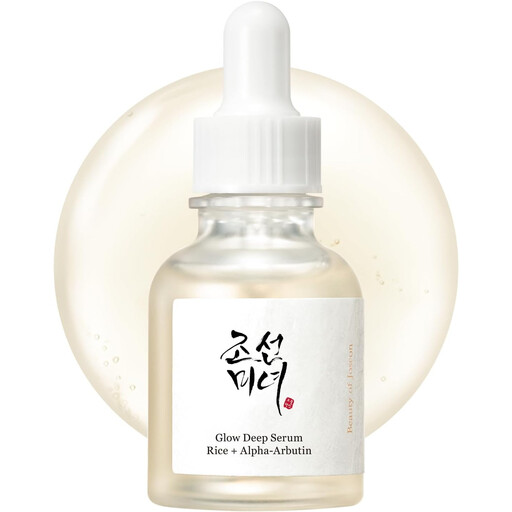
Why it suits this profile: A straightforward formula with 2% alpha-arbutin, rice bran water and a 30 ml size for anyone who wants an accessible introduction to brightening serums.
The product information lists specific ingredients and recommends evening use, rather than relying solely on a general glow promise.
2% alpha-arbutin; 30 ml; vegan, fragrance-free and alcohol-free according to the product specifications.
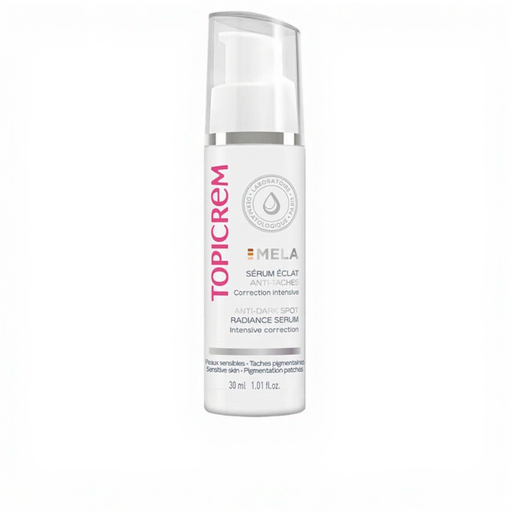
Why it suits this profile: The product specifications focus on sensitive skin and mention dermatological and ophthalmological testing.
Its suitability for sensitive skin is stated explicitly, so you do not have to rely solely on the word “intensive”.
30 ml; niacinamide and a vitamin C derivative in the ingredients list; 92% ingredients of natural origin according to the product information.
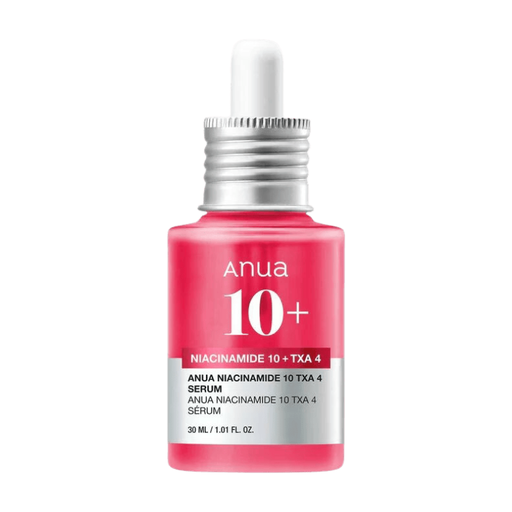
Why it suits this profile: Designed for anyone who wants to address pigmentation, post-acne marks and an uneven complexion in the same routine.
The percentages of niacinamide and tranexamic acid are clearly stated. This makes comparison easier than relying on a vague “dark spot” claim.
10% niacinamide; 4% tranexamic acid; 30 ml; fragrance-free and alcohol-free according to the specifications.
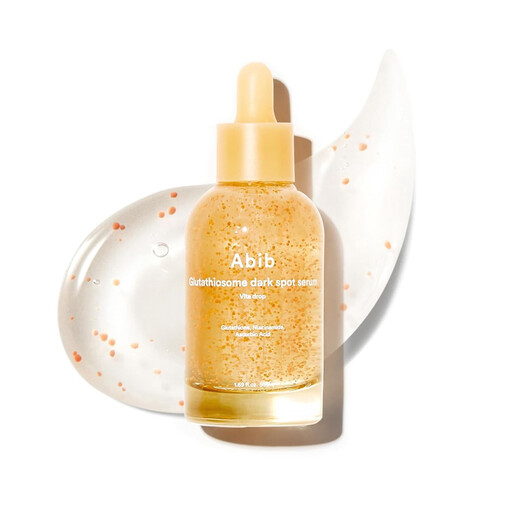
Why it suits this profile: According to the product description, the lightweight, fast-absorbing texture is suitable for everyday use and various skin types.
The texture and size are described clearly, including the visible micro-beads. This tells you what to expect during application.
50 ml; lightweight texture; glutathione micro-beads; listed as suitable for dry, oily, combination and sensitive skin.
We have put together a complete, up-to-date list of products that fully meet these strict selection criteria and the applicable European safety regulations.
Usually not. Cosmetic serums are intended for regular use, and the appearance of the skin may change gradually. The outcome depends on the formula, how you use it, your skin type and exposure to sunlight. Brand product claims are not a guarantee of the same results for every user.
Look for a serum for sensitive skin with a straightforward ingredients list and initially avoid using many active products at the same time. MELA Brightening Anti-Spot Serum is described in the product specifications as suitable for sensitive skin. Always carry out a patch test first and stop using it if irritation occurs.
This can work in some routines, but there is no need to start both at the same time. Begin with one serum, observe how your skin reacts and only add a second product later. When using vitamin C or exfoliating acids, apply suitable sun protection during the day.
