
Vandaag of morgen in huis

Kwaliteit gegarandeerd

Welkomstaanbiedingen ontgrendelen: GRATIS bezorging | Tot 80% korting | Gratis 30 dagen JoyPlus-proefperiode
Download de app
A serum for pigmentation can help make an uneven complexion, dark spots and post-acne marks look less noticeable. However, not every brightening serum is the same. A high concentration stated on the label does not automatically mean that a product is right for your skin.
The biggest disappointments usually come from three common pitfalls:
A vitamin C serum may contain ascorbic acid or a vitamin C derivative such as 3-O-Ethyl Ascorbic Acid, Magnesium Ascorbyl Phosphate or Ascorbyl Glucoside. Pure vitamin C can be powerful, but it often requires more care when it comes to storage and skin tolerance. Derivatives are generally chosen for a gentler formula.
A niacinamide serum may suit anyone who wants to care for dull skin as well as an oily complexion or visible pores. Always check the percentage if it is stated. A formula containing 2% niacinamide is not directly comparable with a product containing 10% or 15%.
Other common ingredients in a serum for hyperpigmentation include:
The effects that brands attribute to these ingredients should be read as product claims. According to the relevant brand’s own product description, for example, the serum has been developed to make dark spots or a dull-looking complexion less noticeable. This does not guarantee the same results for every user.
Dry or normal skin often benefits more from a serum for glowing skin containing glycerine, hyaluronic acid, panthenol, squalane or other soothing ingredients. A lightweight gel texture may feel more comfortable on combination or oily skin.
Do you have sensitive skin? Check for fragrance, essential oils, alcohol and high concentrations of acids or pure vitamin C. “Vegan”, “cruelty-free” and “dermatologically tested” are useful product features, but they do not mean that a formula will be irritation-free for everyone. Test the product on a small area of skin beforehand and stop using it if you experience persistent redness, itching or a burning sensation.
Sizes vary considerably, from a compact 7 ml to bottles containing 50 or 100 ml. A small bottle may be suitable for trying a formula first, while a larger pack is more practical for daily use.
Also check:
Apply a serum to cleansed skin, then follow with a moisturiser. During the day, use a sun cream offering suitable protection. Do not immediately combine several powerful active formulas when you do not yet know how your skin will react.
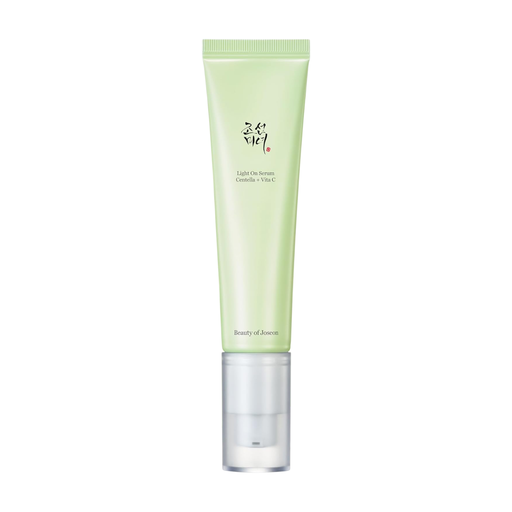
Why it suits this profile: This Korean skincare serum contains 30 ml and combines a vitamin C derivative with centella, glycerine and hyaluronic acid. That makes it a straightforward choice for anyone looking for a lightweight, hydrating formula.
The product information clearly states the ingredients and when to use the serum. This means you can see that it contains a vitamin C derivative rather than an unexplained “glow” claim.
30 ml; centella, glycerine and sodium hyaluronate; according to the product information, suitable for dry, normal and combination skin.
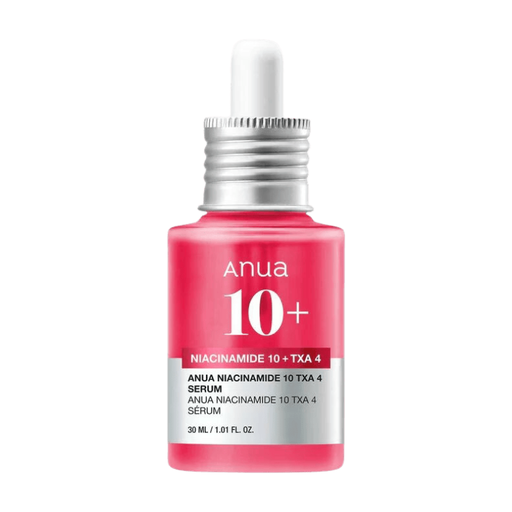
Why it suits this profile: The niacinamide and tranexamic acid percentages are clearly stated. This is useful for shoppers who want to base their choice on verifiable product specifications.
The formula is not positioned solely as a “brightening” product: the ingredients list also includes hyaluronic acid, arbutin and several hydrating ingredients.
30 ml; 10% niacinamide and 4% tranexamic acid according to the product listing; stated to be fragrance-free and alcohol-free.
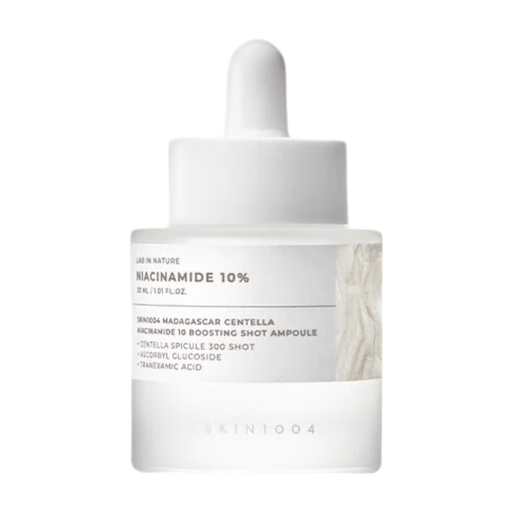
Why it suits this profile: This ampoule is intended for users who want to build a targeted routine and are prepared to gradually introduce their skin to a spicule texture.
The usage instructions recommend building up to two or three applications per week. This prevents you from immediately using several active products every day.
9 ml; niacinamide, ascorbyl glucoside, tranexamic acid and centella in the ingredients list; clear warning about temporary tingling.
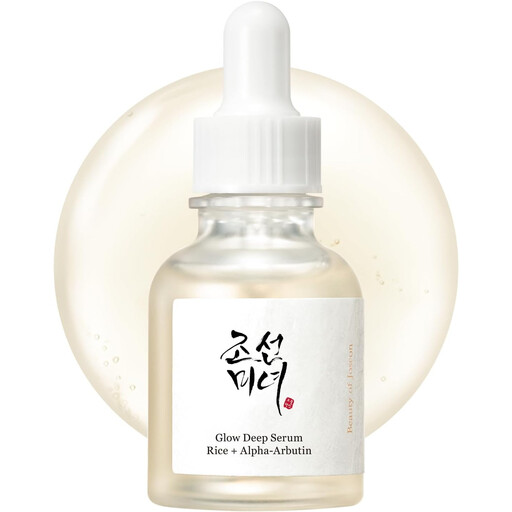
Why it suits this profile: According to the product information, this formula combines rice bran water, glycerine, panthenol and 2% alpha-arbutin. It is a good fit for anyone who wants to combine brightening care with a hydrating feel.
According to the product details, the formula is alcohol-free and fragrance-free. This makes it less likely that you will choose a brightening serum based solely on marketing language.
30 ml; 2% alpha-arbutin; rice bran water and glycerine; suitable for an evening routine according to the product description.
We have put together a complete, up-to-date list of products that fully meet these strict selection criteria and the applicable European safety regulations.
A high concentration is not always necessary. If you have sensitive skin, starting every other day may be wiser than applying the product twice a day straight away. Correct storage is important for products containing pure vitamin C, so follow the instructions on the packaging. A serum is not a treatment for a medical skin condition. Consult a doctor or dermatologist about persistent, rapidly changing or suspicious marks.
Look for a serum containing ingredients such as niacinamide, alpha-arbutin, tranexamic acid or azelaic acid. Also choose a formula that your skin tolerates well. A serum for acne marks only works as part of a consistent routine, and makes sun protection especially important.
This is possible in some routines, but check the complete ingredients list first and introduce products separately. If you have sensitive skin, it is sensible to use vitamin C and niacinamide at different times, so that you can assess more easily how your skin reacts.
This varies by product. Beauty Of Joseon, for example, states a shelf life of 6 months after opening for the Light On Serum, while Anua states 12 months for the Niacinamide 10% + TXA 4% Serum. Always check the jar symbol, packaging and storage instructions. Consistent use according to the label is more important than constantly adding a new product.
