
Vandaag of morgen in huis

Kwaliteit gegarandeerd

Welkomstaanbiedingen ontgrendelen: GRATIS bezorging | Tot 80% korting | Gratis 30 dagen JoyPlus-proefperiode
Download de app
Pickled vegetables are a versatile side dish, snack, topping or flavour enhancer. From Dutch pickles and Turkish tursu to kimchi, pickled peppers and Asian preserved vegetables, the online selection is extensive. Yet eye-catching packaging reveals little about flavour, texture or whether a product is suitable for your dish.
Pay particular attention to these three common pitfalls:
The ingredients list shows what you are actually buying. For pickles and table pickles, the base often consists of cucumber, water, vinegar and salt, sometimes with sugar, garlic or mustard seeds. Turkish tursu may also combine carrots, cauliflower and peppers in the same jar.
Examples:
If you follow a low-sodium diet, pay particular attention to the salt content. It can vary considerably: the product information for Patak’s Lime Pickle Hot, for example, lists 8.4 grams of salt per 100 grams, while other table pickles contain significantly less. Nutritional values may change between packaging updates, so always check the current label.
The shape determines how you can use the product. Whole pickles work well as a snack or in a sandwich. Slices are easy to add to burgers and sandwiches. Strips of radish or cabbage combine more naturally with noodles, rice and stir-fries.
A crisp texture is not guaranteed simply by words such as “crispy” or “crunchy”. Also consider the type of vegetable, cut and preparation method.
Vegetarians and vegans need to look beyond the product name. Jongga Kimchi Napa Cabbage Cutted 80g contains Chinese cabbage, radish, red pepper, garlic and lactic acid cultures according to the product information, but may contain fermented anchovy or shrimp sauce. Checking the label is therefore essential.
Other points to consider:
A webshop product description is a useful guide, but the information on the packaging takes precedence—especially in the case of allergies, dietary requirements and reformulated recipes.
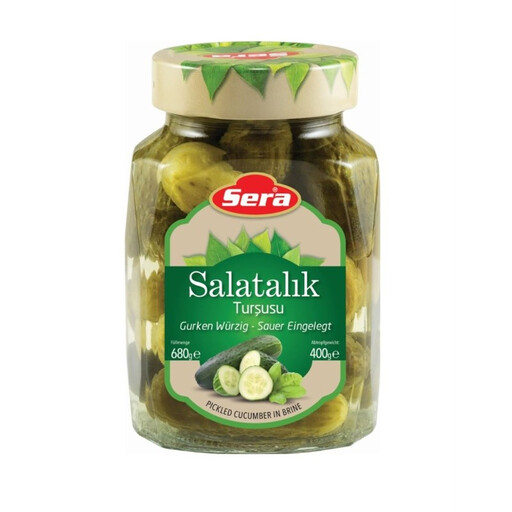
Why This Fits Their Persona: An approachable choice for anyone trying Turkish pickles for the first time. The jar works well with sandwiches, salads, snacks and mezze.
The product information describes a crisp texture and sweet-and-sour flavour, making it easier to judge in advance whether it will suit a sandwich or snack.
Cucumber is the main ingredient; according to the product information, it is free from the 14 major EU allergens.
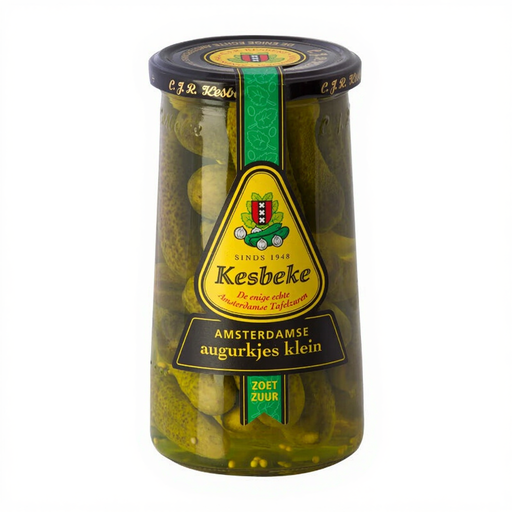
Why This Fits Their Persona: For lovers of Dutch table pickles who pay attention to ingredients, cut and nutritional values.
The product information lists cucumber, water, vinegar, salt and mustard seeds as the base ingredients, along with nutritional values per 100 grams.
720 ml jar; lists 17 kcal and 0.25 g of salt per 100 grams according to the supplied product data.
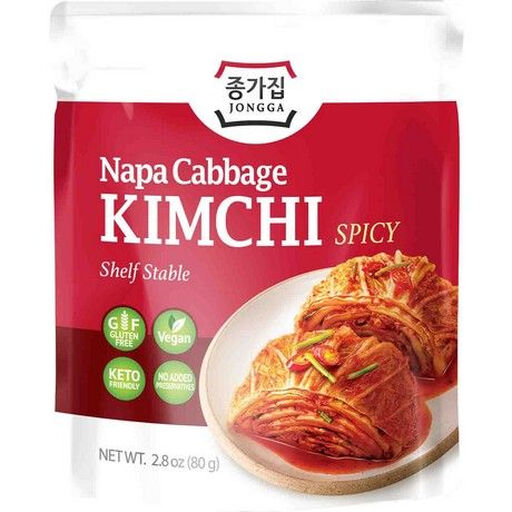
Why This Fits Their Persona: A compact portion for rice, noodles, stir-fries or a Korean-style topping—without having to open a large jar.
The portion size is clearly stated. If you follow a vegetarian or vegan diet, however, check the label for possible anchovy or shrimp sauce.
80 g portion pack; sliced Chinese cabbage with radish, garlic and red pepper according to the product information.
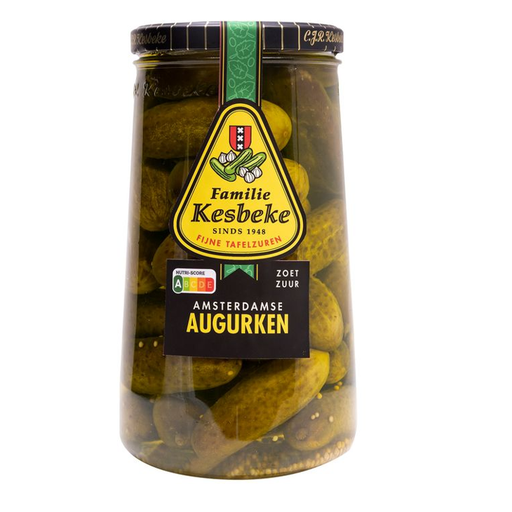
Why This Fits Their Persona: A generous jar for families, barbecues, sandwich shops or catering kitchens where pickles are used regularly.
In addition to the 1700 ml volume, a drained weight of 900 g is listed. This makes the quantity easier to compare with smaller jars.
Generous quantity; suitable for sandwiches, burgers, cheeseboards and barbecue dishes. Contains mustard.
Explore a current selection of spicy vegetable pickles, tursu, pickled peppers, radish, cabbage and other international table pickles. Compare ingredients, quantity and intended use for each product.
That depends on the product. Some products explicitly state that they are suitable for vegetarian or vegan diets, such as Sera Lahana Tursusu according to the supplied product information. Kimchi may contain fish or shellfish sauce. Always check the ingredients and allergen information on the packaging.
Follow the label instructions. Many jars should be refrigerated and sealed tightly after opening. Keep pickles and other vegetables covered by the brine as much as possible. Use clean utensils and discard the product if you notice an unusual smell, mould or damaged packaging.
No. Pickles, pickled radish and sweet-and-sour cabbage are often mild. Pickled peppers, jalapeños, lime pickle and some Turkish or Asian varieties can be spicy. Heat levels are not standardised, so check the product description, pepper variety and ingredients list before ordering.
