
Vandaag of morgen in huis

Kwaliteit gegarandeerd

Welkomstaanbiedingen ontgrendelen: GRATIS bezorging | Tot 80% korting | Gratis 30 dagen JoyPlus-proefperiode
Download de app
Pickled vegetables are handy for snacks, sandwiches, rice dishes and salads. Yet gherkins, pickles, kimchi and other preserved vegetables vary greatly in flavour, packaging and storage method. If you rely solely on an attractive photo or the word “traditional”, you could end up with a jar that’s too sour, too salty or too large for your intended use.
With this practical guide, you’ll focus on the details that are often overlooked when shopping online.
A 1.7-litre jar might be appealing for a large family, a barbecue or a small catering kitchen. For occasional use, a smaller pouch is often more practical. Once opened, pickled vegetables usually need to be refrigerated and used within the recommended period. So check not only the net weight, but also the drained weight and the storage advice.
One shopper wants fresh pickled gherkins, another prefers fiery pickled peppers or Korean kimchi. Marketing terms don’t always tell you how much chilli, vinegar, sugar or salt to expect. Look at the ingredients list and nutritional values. A product with chilli pepper high on the ingredients list will generally taste quite different from a lightly spiced gherkin.
Always check the current packaging. Some products may contain mustard, celery, sulphites or ingredients such as aspartame. With kimchi, the product information may also indicate the presence of fermented anchovy or shrimp paste. The information on the label is what counts, especially when you’re buying for guests, children or a catering business.
A portion of 80 to 150 grams is practical for one meal, lunchbox or tasting session. Jars of around 600 to 720 grams are better suited for regular use. For a buffet, restaurant or large family, multi-litre packs may be more efficient.
Also consider the format:
Compare the nutritional values per 100 grams. Pickled vegetables can be relatively high in salt, even when they provide few calories. The flavour is also influenced by sugar, sweeteners and flavour enhancers. This doesn’t automatically make a product suitable or unsuitable, but it does help you make an informed choice.
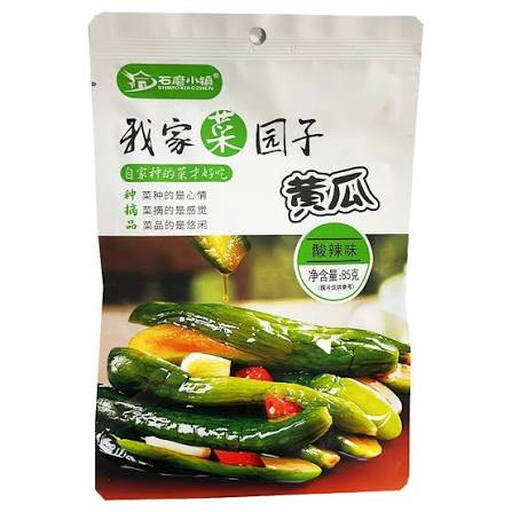
Why this fits the profile: The 85-gram portion is manageable if you want to try spicy pickled cucumber for the first time. According to the product information, it’s ready to eat and intended as a snack, side dish or accompaniment to rice and congee.
The small pack prevents you from buying a large jar before you know whether the hot-and-sour flavour suits you. Do check the salt content of 2.5 grams per 100 grams.
85 grams; ready to eat; cucumber makes up 80% of the ingredients according to the product description.
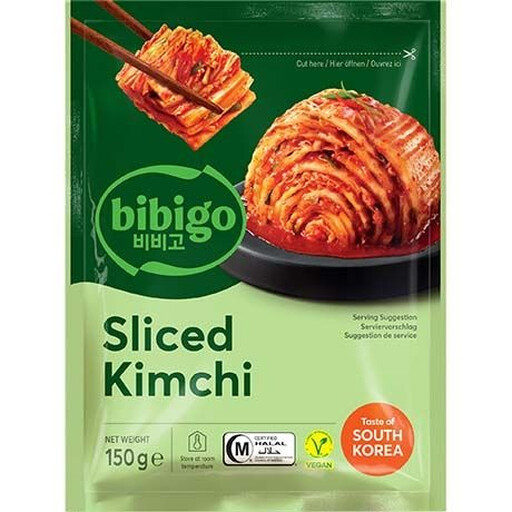
Why this fits the profile: This Korean kimchi is pre-cut, making it easy to use with rice, noodles, stir-fries or as a small side dish. The 150-gram pack stays compact in your cupboard as long as the label allows.
The portion size limits waste. Read the label carefully if you need to avoid allergens; the product information does not list any of the fourteen major EU allergens, but the current packaging remains the authority.
150 grams; pre-cut Chinese cabbage; 44 kcal and 1.7 grams of salt per 100 grams according to the product information.
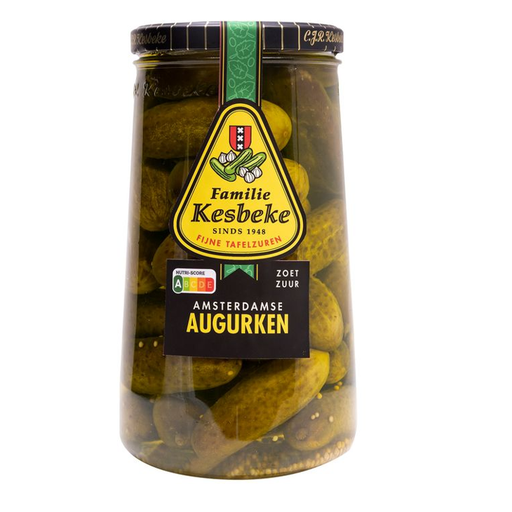
Why this fits the profile: The large size is designed for households, sharing platters, sandwiches, burgers, barbecues or professional use. The drained weight is 900 grams according to the product information.
You can see the difference between net and drained weight upfront. This helps you better estimate how many gherkins you’ll actually receive and use.
1700 ml; 1500 grams net; 900 grams drained; contains mustard and must be refrigerated after opening.
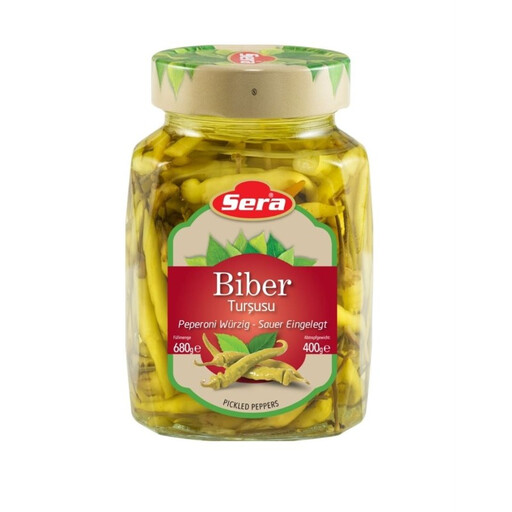
Why this fits the profile: These Turkish pickles are aimed at those who want to serve pickled peppers with salads, sandwiches, grilled meat or mezze. The 680-gram jar is ideal for sharing.
The product description mentions a fresh, sour and mildly spicy flavour, but spiciness varies from person to person. Start with a small amount and check the full label.
680 grams; Turkish origin according to the product information; suitable as a side dish, snack and topping.
We’ve put together a full, up-to-date list of products that fully meet these strict selection criteria and comply with current European safety regulations.
No. Gherkins and many pickles are preserved in vinegar, water and salt. Kimchi may be fermented according to the product information of the brand. Check the preparation method on the packaging, because “pickled” doesn’t automatically mean “fermented”.
This varies by product. Unopened jars and pouches have a best-before date on the packaging. After opening, you usually need to refrigerate and use the product within the recommended period. Look out for changes such as a bulging pack, leakage, mould or an unusual smell; do not use the product if you notice any of these.
The price per pack may seem higher, but pickled vegetables are ready to use and often have a longer shelf life before opening. So compare the price per 100 grams, the drained weight and the amount you actually need. For daily use, a large jar can be more economical; for occasional eating, a small portion is often more practical.
