
Vandaag of morgen in huis

Kwaliteit gegarandeerd

Welkomstaanbiedingen ontgrendelen: GRATIS bezorging | Tot 80% korting | Gratis 30 dagen JoyPlus-proefperiode
Download de app
Pickled vegetables are a handy flavour booster for rice, noodles, sandwiches, salads and meat dishes. From sweet and sour gherkins and piccalilli to kimchi, pickled radish and Indian pickle: the range varies widely in taste, texture, packaging and salt content.
However, a jar or pouch isn't automatically right for every meal. Product names like “traditional”, “authentic” or “extra crunchy” don't tell you much without checking the ingredients list and nutritional information. These practical pointers will help you avoid a bad buy.
A 670 g jar or 1,700 ml container might look like good value, but part of the weight is liquid. So, where that information is available, always check the drained weight. For example, Kesbeke Pickled Cucumbers 1700 ML lists a net weight of 1,500 g and a drained weight of 900 g.
A large pack is best suited to households that eat pickles regularly. For occasional use, a smaller jar or pouch can be more practical, because you'll need to follow the storage instructions once opened.
The flavour can be sweet and fresh, yet the product may still be relatively high in salt. For instance, Jixiangju Reduced-Salt Preserved Mustard Tuber Heart lists 11 g of salt per 100 g. That's a significant difference from a product like g'woon Sweet And Sour Gherkins, which, according to the product information provided, contains 0.7 g of salt per 100 g.
So always compare the nutritional values per 100 g. With Asian pickled vegetables, pay extra attention to terms like preserved, brined or salted: these often indicate a salty base.
Mustard and celery are common ingredients in piccalilli, gherkins and Indian pickle. Soy sauce in Chinese pickled cucumber can contain soya and wheat. Other products may contain preservatives, acidity regulators, sweeteners or flavour enhancers.
Always read the actual packaging before use. Product information on a website can change and should not be your only source for allergens, shelf life and storage advice.
First, decide what you want to use the vegetables for:
Also note the difference between pickled and fermented. Kimchi is usually sold as a fermented product, whereas many gherkins, piccalilli and pickles are preserved in a vinegar brine. Always check the ingredients list and label to verify any claims about flavour or preparation method.
Small packs of around 120 to 200 g are handy for trying a new flavour or serving alongside a meal. Packs of 350 to 670 g are better for regular use. A large 1,700 ml jar is mainly practical for families, parties or pickled cucumber enthusiasts.
Also check:
Compare the nutritional values per 100 g, not just the serving size on the label. With sweet and sour gherkins, sugar can be relatively prominent, while an Indian pickle or Sichuan side dish may contain more oil and salt.
Examples from product specifications:
These figures aren't a judgement on taste. They simply help you choose a product that suits your diet and meal.
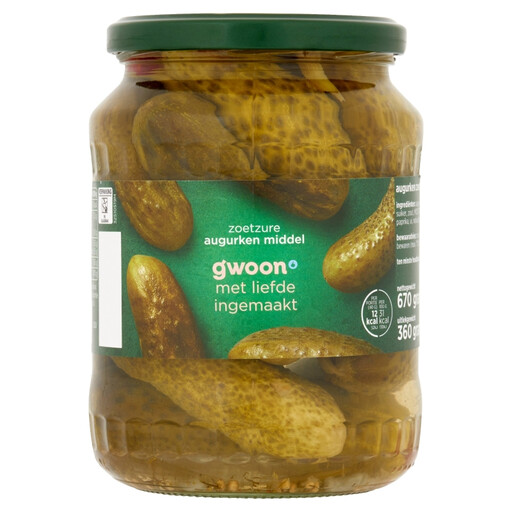
Why this fits the profile: An accessible choice for sandwiches, salads, snacks and classic Dutch meals. The pack contains 670 g.
The product information lists ingredients, allergens and nutritional values, including 0.7 g salt per 100 g. This lets you compare sweet and sour products based on concrete data.
Sweet and sour flavour, versatile uses and a clear 670 g content. Contains mustard.
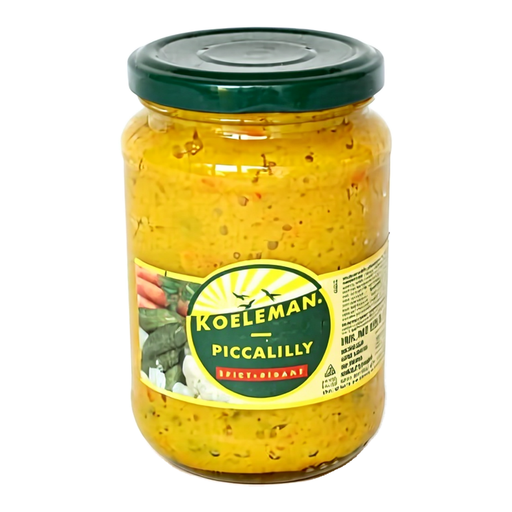
Why this fits the profile: Ideal for anyone who wants a mix of different vegetables with a spiced vinegar flavour in one jar, for both hot and cold dishes.
The ingredients include cauliflower, onion, gherkin, pepper, mustard and celery. This makes it clear that it's not a simple gherkin flavour, and you can check allergens in advance.
370 ml, crunchy vegetable pieces according to the product description and 50 kcal per 100 g. Contains mustard and celery.
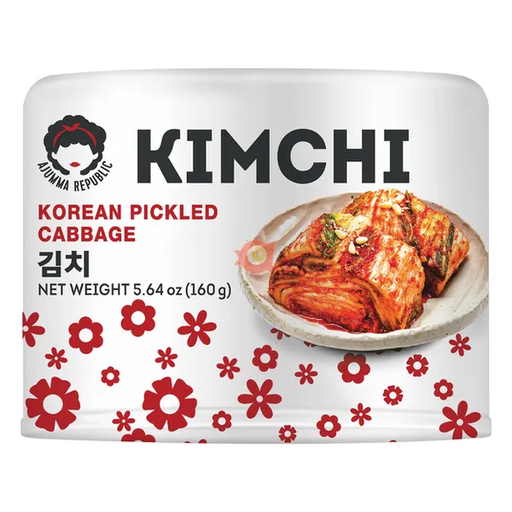
Why this fits the profile: For fans of Korean kimchi with rice, noodles, soup or fried rice. The small pack is ideal for targeted use.
The product description mentions fermented cabbage, a sour and spicy flavour and multiple uses. This makes it clearer what you're buying than a general label like vegetable condiment.
160 g, 34 kcal and 1.9 g salt per 100 g according to the stated nutritional values. Suitable as a side dish or ingredient.
We've put together a full, up-to-date list of products that fully meet these strict selection criteria and comply with current European safety regulations.
This varies by product. Store an opened jar according to the label: some products need to be refrigerated, while others simply recommend a cool, dry place. Always use clean utensils, seal the pack properly and keep vegetables in brine as submerged as possible. Check the smell, colour and texture before eating, and follow the recommended period after opening.
No. Gherkins, piccalilli and many pickles are preserved in vinegar or a vinegar brine. Kimchi is usually made through fermentation, but check the product description and packaging. The preparation method influences the flavour, acidity and storage instructions.
Several types work well with rice and noodles. Kimchi adds a sour and spicy kick. Chinese pickled vegetables, such as mustard stems, zha cai and pickled radish, often bring saltiness, umami and crunch. An Indian pickle, for example carrot or mango pickle, goes well with curry, naan and rice. With strongly spiced products, watch the quantity: a small portion can affect the flavour of the whole dish.
