
Vandaag of morgen in huis

Kwaliteit gegarandeerd

Welkomstaanbiedingen ontgrendelen: GRATIS bezorging | Tot 80% korting | Gratis 30 dagen JoyPlus-proefperiode
Download de app
Asian pickled vegetables are a handy way to add extra flavour to rice, noodles, congee, salads or hot meals in next to no time. But many jars and packets look alike. The differences often come down to the vegetables, how they’re made, how spicy they are, portion size and how long they keep once opened.
It’s also worth watching out for a few common buying pitfalls. Eye-catching packaging, for example, tells you little about the actual flavour. Products labelled “kimchi” can vary considerably in acidity, salt content and ingredients. And while a large jar may seem like good value, it might be less practical if you only serve pickles as a side dish now and then.
Kimchi may be fermented, but its flavour also depends on ingredients such as chilli, garlic, radish, sugar, fish sauce and acidity. According to the product information, Jongga Kimchi Napa Cabbage Cutted, for example, contains Chinese cabbage, radish, red pepper, garlic, sugar and lactic acid cultures. Bibigo Kimchi Ambient contains ingredients including salted Chinese cabbage, radish, chilli powder and acidity regulators.
So check the ingredients rather than relying on words such as “traditional” or “authentic”. Claims about how a product is made or tastes come from the brand; don’t automatically treat them as objective proof of quality.
“Pickled vegetables” can mean Korean kimchi, Chinese pickled vegetables, pickled peppers or sweet-and-sour vegetables. Chinese pickled vegetables may taste mainly salty and savoury, while Turkish peppers tend to have a pronounced vinegary tang and a chilli kick.
If you’re looking for a mild side dish, it’s best to start with a smaller pack or a product described as mild. If you prefer spicy sides, look for chilli, hot peppers or pepper extracts in the ingredients list.
An 80 to 150 g portion is handy for one or a few meals. A 330 to 680 g jar is better suited to a household that serves pickles regularly. Check the storage instructions too. Some products can be kept in a cool, dry place before opening; once opened, they often need to be refrigerated and eaten promptly.
The main vegetable determines the texture and how you can use it:
Check whether the product is ready to eat or intended as an ingredient for cooking. Jixiangju Open-Flavor Pickled Mustard, for example, comes with a separate sachet of seasoned oil and, according to the product information, can be added to noodles, fried rice or soup.
Asian side dishes often contain relatively high levels of salt. For example, the nutritional information provided lists 8 grams of salt per 100 grams for Jixiangju Refreshing Side Dish and 7 grams for Wujiang Light Preserved Mustard Tuber. So “Light” doesn’t automatically mean low in salt.
Also check for sugar, oil, flavour enhancers, soya, wheat, fish, prawns, mustard and sesame. According to the label, Bibigo Kimchi contains none of the 14 major EU allergens, while Jongga Mat Kimchi Can contains fish and anchovies. Always check the current packaging, as recipes and labelling can change.
For occasional use, 80 to 150 g sachets are a convenient size. A multipack, such as Jixiangju Pickled Mustard Tuber in 80 g x 5 packs, makes it easier to store portions separately. Large jars are worth considering if you regularly serve Chinese pickles, pickled peppers or kimchi.
Always check the best-before date, storage instructions before opening and advice for after opening before you buy. If a product has specific storage instructions, follow those on the packaging.
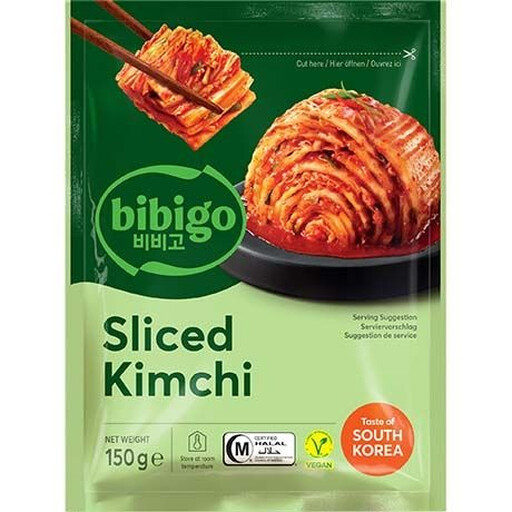
Why it suits this profile: The 150 g pack is a practical way to try kimchi without buying a large quantity straight away. It goes well with rice, noodles or a quick meal.
The pack size helps prevent waste if you’re not yet sure how much Korean kimchi you’ll use. The ingredients and nutritional values are clearly listed.
150 g; sliced Chinese cabbage; 44 kcal and 1.7 g of salt per 100 g, according to the product information.
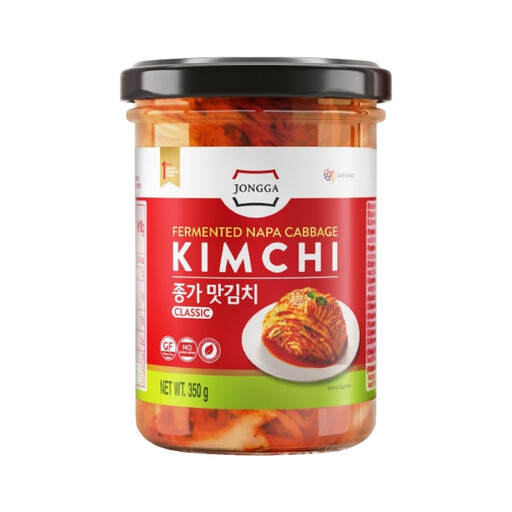
Why it suits this profile: The 350 g pack is a good choice for kimchi lovers who serve it regularly and want enough for several meals.
The product information clearly lists the ingredients and allergens, so you can see that it contains anchovies and fish and isn’t vegan.
350 g; sliced Chinese cabbage with radish and spring onion; a good addition to Korean meals.
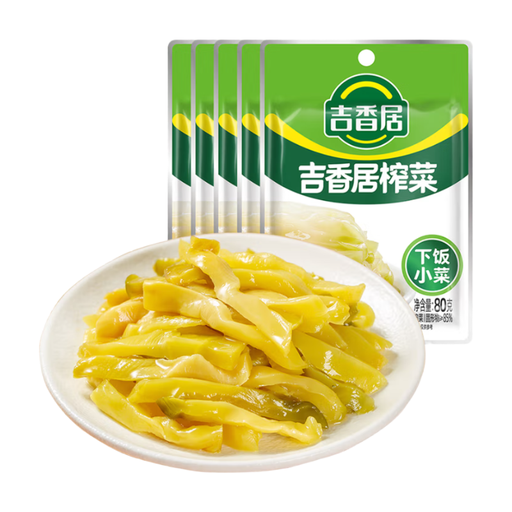
Why it suits this profile: The five individual portions are handy if you enjoy Chinese pickled vegetables with congee, rice or noodles, or as a snack.
The individual sachets mean you don’t have to open the whole quantity at once. Do check the ingredients list for soya and wheat.
5 x 80 g; firm mustard stem; ready to eat as a side dish or snack.
We’ve put together a complete, up-to-date list of products that meet these strict selection criteria and comply with current European safety regulations.
Kimchi is usually made with cabbage or radish, chilli, garlic and other seasonings. It may be fermented. Chinese pickles cover a wider range of products, such as pickled mustard tuber, radish, yardlong beans and bamboo shoots. Their flavour can range from sour and salty to sweet and spicy.
It depends on the product. Some packaging recommends refrigerating and eating the contents promptly after opening; other products have specific instructions on the label. Seal the packaging tightly and always follow the current storage instructions on it.
Compare the vegetables, pack size, spiciness, salt content and allergens. Also check whether the product contains fish or shellfish. A small portion is handy for your first purchase; if you use kimchi regularly, a multipack or a 330 to 350 g pack may be more practical.
