
Vandaag of morgen in huis

Kwaliteit gegarandeerd

Welkomstaanbiedingen ontgrendelen: GRATIS bezorging | Tot 80% korting | Gratis 30 dagen JoyPlus-proefperiode
Download de app
Pickled vegetables are handy as a snack, topping or side dish. A jar of gherkins with a sandwich, kimchi alongside rice or pickled peppers with grilled meat: with very little preparation, you can add acidity, sweetness, heat or extra crunch.
However, ready-made pickled vegetables can vary considerably in flavour, portion size, salt content and ease of use. If you only look at the front of the packaging, you could end up with a product that is too sweet, barely spicy or needs using up quickly after opening. These checks will help you make a more informed choice.
Sweet and sour gherkins can taste quite different from one product to another. So check the nutritional information per 100 grams. For example, g'woon Sweet And Sour Gherkins, 670 grams, lists 5.5 grams of sugar per 100 grams. The 530-gram g'woon version lists 7.5 grams of sugar per 100 grams. Both are classed as sweet and sour gherkins, but the balance of flavours may therefore differ.
Also check the order of the ingredients. If sugar appears relatively early in the list, it plays a greater role in the recipe than when it is listed further down.
A large volume is practical for a household that eats gherkins every day, but less convenient if you only eat pickled vegetables occasionally. In addition to the net weight, check the drained weight. Kesbeke Pickled Cucumbers, 1700 ml, has a net weight of 1500 grams and a drained weight of 900 grams. This gives you a more realistic idea of how much vegetable you actually receive.
For occasional use, a smaller jar or portion pack can help reduce waste. For example, an 80-gram pack of kimchi is designed for a small portion with noodles, rice or a stir-fry.
The description pickled peppers does not tell you exactly how hot they are. Sera Meksika Biber Tursusu contains jalapeño peppers and lists a salt content of 3.5 grams per 100 grams. Sera Sus Biber Tursusu consists of hot finger peppers and lists 3.935 grams of salt per 100 grams. The ingredients and nutritional information provide more useful guidance than a general description such as “extra spicy”.
With kimchi, it is also important to read the label. Ajumma Republic Kimchi contains fermented cabbage and lists 1.9 grams of salt per 100 grams. According to the product information, Jongga Kimchi may contain fermented anchovy or shrimp sauce. This is relevant if you have allergies or are looking for a vegetarian option.
Always check:
The ingredients listed on the packaging take precedence. Product information in an online shop may change, so check the current label before eating.
Always compare nutritional values per 100 grams. This allows you to compare gherkins, pickled radish, pickled onions and kimchi fairly. A low-calorie product may still contain a relatively high amount of salt. This is the case, for example, with Jixiangju Open-Flavor Pickled Mustard, which lists 6.5 grams of salt per 100 grams.
Use a small portion as a flavour enhancer when the pickle is particularly strong or salty. With sliced pickled radish, 30 to 50 grams is often enough as a topping for sushi, noodles or a rice bowl.
Do not just check the best-before information before opening. Also check the instructions for afterwards:
The flavour of kimchi can change during storage. This is not automatically a problem, but check the smell, appearance and instructions on the packaging before serving.
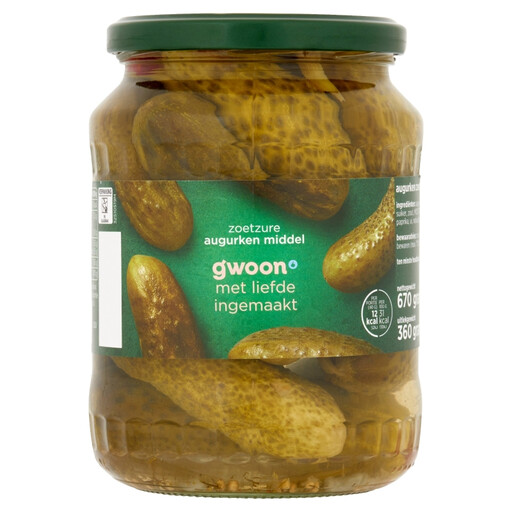
Why it suits this profile: A generously sized jar for sandwiches, salads, snacks and everyday meals. The product information lists 670 grams and a classic sweet and sour recipe.
The sugar, salt and ingredient information is specified, so you do not have to rely on the term “sweet and sour” alone.
670 grams; suitable for sandwiches and salads; contains mustard.
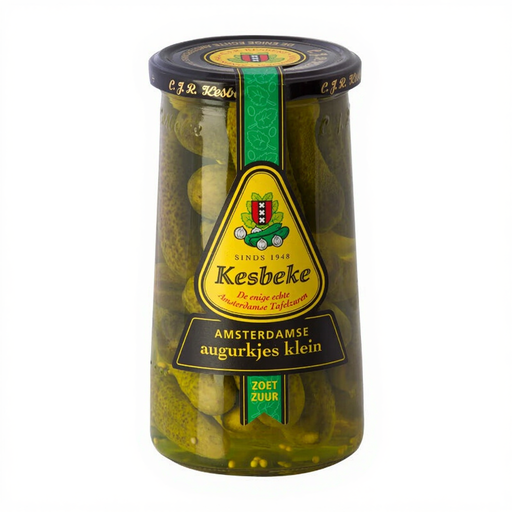
Why it suits this profile: Ideal for anyone looking for Dutch pickles to serve with cheese boards, sandwiches, barbecues and traditional meals.
The packaging lists both the ingredients and nutritional values. According to the product information, the salt content is 0.25 grams per 100 grams.
720 ml; sweet and sour profile; suitable for several serving occasions.
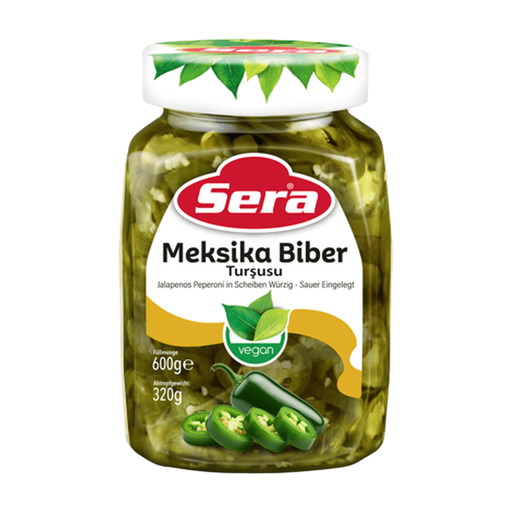
Why it suits this profile: A practical choice for fans of pickled jalapeños with pizza, sandwiches, salads and mezze.
The product description names the type of pepper, the ingredients and the salt content. This helps you assess the heat and composition more accurately.
600 grams; ready to eat; suitable for hot and cold dishes.
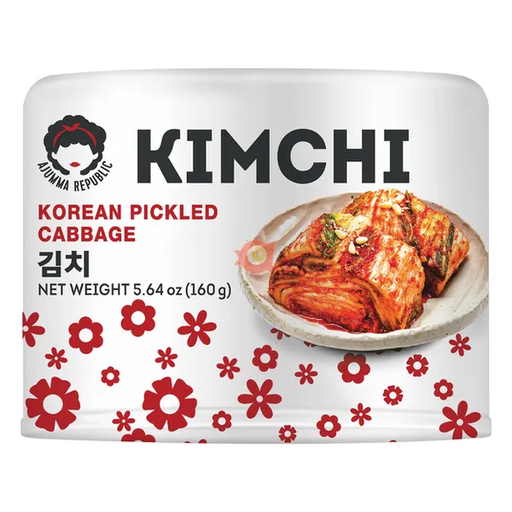
Why it suits this profile: A small pack for anyone who wants to pair kimchi with rice, soup, fried rice or mixed noodles without immediately buying a large quantity.
The 160-gram portion reduces the chance of having unused leftovers. The product information also lists 1.9 grams of salt per 100 grams.
160 grams; fermented cabbage according to the product description; ready to serve.
We have compiled a complete, up-to-date list of products that fully meet these strict selection criteria and the applicable European safety regulations.
This varies from product to product and depends on the packaging. Some jars need to be refrigerated and used within the recommended period. Preferably keep the vegetables beneath the brine, seal the packaging securely and always follow the instructions on the label.
No. Gherkins can be sweet and sour, while pickled peppers tend to taste mainly sour and spicy. Kimchi often has a fresh, sour and aromatic flavour. Chinese sweet and sour vegetables may also contain sugar, sweeteners or extra spices. Check the ingredients list if you are looking for a particular flavour.
Kimchi, pickled radish and Chinese pickles pair well with rice and noodle dishes. Sliced pickled radish is handy as a topping for sushi or a rice bowl. According to the product information, Chinese pickled mustard greens can be used in noodles, fried rice and stews. For a milder addition, you can also choose pickled onions or gherkins.
