
Vandaag of morgen in huis

Kwaliteit gegarandeerd

Welkomstaanbiedingen ontgrendelen: GRATIS bezorging | Tot 80% korting | Gratis 30 dagen JoyPlus-proefperiode
Download de app
Want to buy pickled vegetables, but no longer know what sets the jars, pouches and international brands apart? Pickled vegetables can add instant flavour to rice, noodles, soups, sandwiches or a sharing board. However, there are clear differences in preparation, flavour, pack size, salt content and convenience.
From buying kimchi to Chinese pickled vegetables, pickled radish and sweet-and-sour cucumbers, these checkpoints will help you avoid a disappointing purchase.
Kimchi and other fermented vegetables are often associated with traditional fermentation. However, always check the ingredients list and storage instructions. Some products rely primarily on vinegar, food acids or preservatives, while others list lactic acid cultures.
Brands may make their own claims about the potential benefits of fermentation. Do not present such effects as established facts: according to a brand’s own research, a product may contain lactic acid bacteria, but the composition and quantity can vary between products and batches. Focus primarily on the label, ingredients and nutritional information.
A 680-gram jar or a 1,700 ml container may look attractively priced, but it is most practical when you use pickled vegetables regularly. Once opened, a product often needs to be refrigerated and used within the recommended period. For one person, a portion of 80 to 160 grams may be more convenient.
Also check the drained weight. For example, Kesbeke Pickled Cucumbers 1700 ML lists a net weight of 1,500 grams and a drained weight of 900 grams. This gives you a more realistic idea of how much cucumber you actually receive.
Flavour descriptions vary by cuisine and brand. Pickled peppers may be gently spicy, while finger peppers are often described as distinctly hot. Pickled radish can taste fresh and crisp, but may also be sweet and sour with an intensely spiced profile.
Always check the ingredients. If chilli appears high on the list, a hotter flavour profile is likely. Vinegar, sugar or sweeteners generally point to a more pronounced sweet-and-sour taste.
A product labelled “fermented” does not necessarily taste like traditionally fermented, long-aged kimchi. Read the product information and check whether the product needs to be refrigerated.
Nutritional values per 100 grams make products easier to compare. In the available product information, salt levels vary considerably. Ajumma Republic Kimchi lists 1.9 grams of salt per 100 grams, while Liu Bi Ju Pickled Cabbage lists 2.3 grams. Jixiangju Open-Flavor Pickled Mustard lists 6.5 grams of salt per 100 grams.
Also pay attention to allergens:
Always check the current packaging. The product packaging may contain more or different information than the online product page.
A sliced product can be added straight to a bowl of noodles or served with rice. Whole radishes or large cucumbers offer more bite, but may need to be sliced before serving.
Also check whether heating is required. According to the product information, Nature’s Best Harvest pre-cooked bamboo shoots must be rinsed, not eaten raw and heated thoroughly. Liu Bi Ju Pickled Cabbage must be rinsed and cooked. This is clearly different from ready-to-eat pickled cucumbers or kimchi.
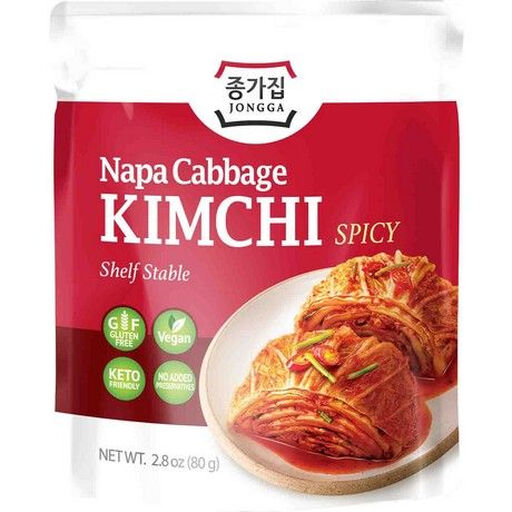
Why it fits: A small portion for anyone trying kimchi for the first time or only occasionally preparing rice, noodles or stir-fries.
The 80-gram portion helps minimise waste when you are still figuring out how much you will use.
Sliced napa cabbage; according to the product information, the pack contains 80 grams and may include fish or shellfish sauces.
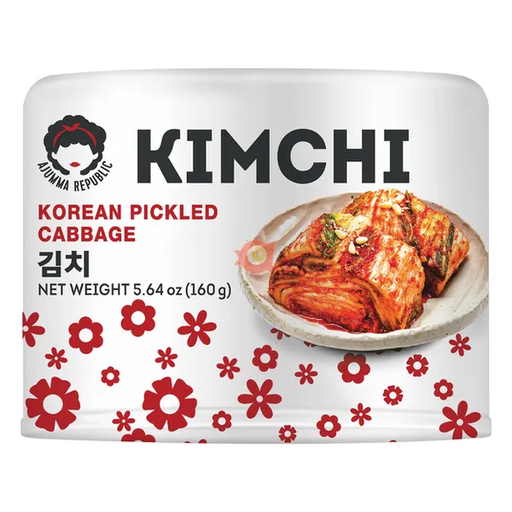
Why it fits: Ideal for home cooks looking for a medium-sized pack to serve as a side dish or add to fried rice, soups and mixed noodle dishes.
The nutritional information lists 1.9 grams of salt per 100 grams, making it easier to compare with other kimchi products.
160 grams, with a sour, spicy and crisp flavour according to the product description.
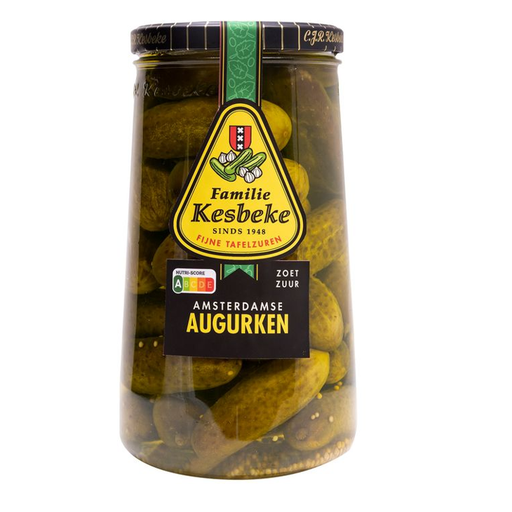
Why it fits: A generous supply for sandwiches, burgers, barbecues, cheese boards and Dutch-style meals.
The drained weight of 900 grams gives a clearer picture of the actual quantity than the volume shown on the front alone.
Dutch sweet-and-sour cucumbers with mustard seeds; refrigerate after opening according to the product information.
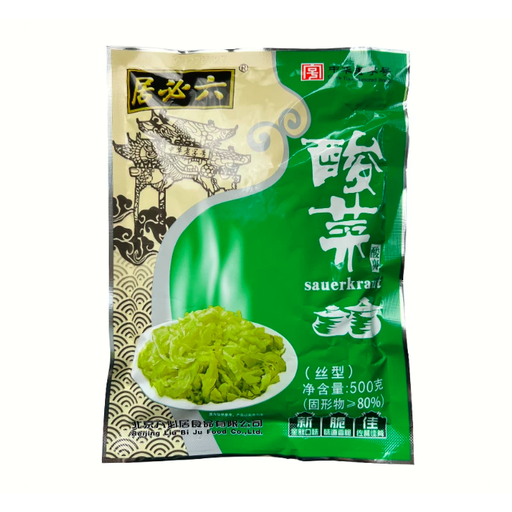
Why it fits: For anyone looking to use Chinese pickled vegetables in stir-fries, braised dishes, noodles or fillings.
The preparation instructions are clear: rinse, drain and heat before use.
Sliced Chinese cabbage in a 500-gram pack; according to the label, the product contains sulphites.
We have curated a current selection of products that match these clear selection criteria and Dutch labelling requirements.
No. Kimchi is a Korean preparation typically made with napa cabbage, radish, chilli, garlic and spices. Pickled vegetables is a broader category that also includes cucumbers, radish, peppers, mustard greens, cabbage and bamboo shoots. Not every pickled product is fermented.
This varies by product. Store opened jars and pouches according to the label, usually tightly sealed in the refrigerator. For vegetables stored in brine or vinegar, keep them submerged and use them within the recommended period. Always check the best-before date and do not use damaged packaging.
Compare the price per 100 grams and, for jars, the drained weight. A small pack is more practical for occasional use; a large jar may suit a household that prepares Asian side dishes, sandwiches or rice dishes every week. Also consider refrigeration after opening, allergens and any required preparation.
