
Vandaag of morgen in huis

Kwaliteit gegarandeerd

Welkomstaanbiedingen ontgrendelen: GRATIS bezorging | Tot 80% korting | Gratis 30 dagen JoyPlus-proefperiode
Download de app
Pickled vegetables are handy as a ready-to-serve side, snack or flavour boost. A jar of gherkins goes well with a sandwich or cheese board, while pickled jalapeños add a bit of heat to a burger, wrap or taco. Pickled radishes, pickled onions, atjar tjampoer and kimchi are also easy to pair with rice dishes, noodles and salads.
However, an eye-catching label doesn’t always tell you enough. When shopping online, it’s worth comparing the flavour, drained weight, ingredients and storage instructions.
A 670-gram jar doesn’t contain vegetables alone. Some of the weight comes from water, vinegar and spices. So don’t just look at the net weight: check the drained weight or the percentage of vegetables too. For example, Kesbeke Amsterdam Smul Onions lists a drained weight of 190 grams for a 720 ml pack.
A larger jar may be better value for everyday use, but a smaller pack can be more practical if you only use it now and then. That way, you’re less likely to leave it open for too long.
Online shops don’t always use the terms pickles, gherkins and sweet-and-sour gherkins in the same way. So check the ingredients list:
Descriptions such as ‘mild’ or ‘extra crunchy’ aren’t standardised. Use the ingredients and nutritional information as a reliable guide.
Mustard is often found in gherkins, atjar and onions. Some Asian products contain sulphites, sesame or possible fish and shellfish ingredients. For example, JONGGA Kimchi states that it may contain fermented anchovy or prawn sauce.
Check the current packaging before buying, especially if you have allergies, follow a vegan diet or are pregnant. Many products need to be refrigerated after opening. Always follow the label, as information on a product page may change.
A high percentage of vegetables gives you a clearer idea of what you’re buying. For example, Jixiangju Air-Dried Radish Strips lists 78% radish. It’s not the same as pickled cucumber: drying and seasoning give it a firmer, chewier texture.
For mixed vegetables such as atjar tjampoer, the ingredients are just as important. According to the product information, Sum & Sam Atjar Tjampoer contains 56% vegetables, including white cabbage, carrot, pepper, onion and leek.
Think about how you’ll use the vegetables:
The shape matters too. Whole cucumbers often stay firmer, while slices and strips are ready to use in sandwiches or bowls.
Compare the nutritional information per 100 grams. According to the product information, Kvass Russian Pickled Cucumbers contain 9.1 grams of sugar and 0.70 grams of salt per 100 grams. TAZEDEN Pickled Jalapeños list 4.9 grams of salt per 100 grams. They make a good flavour boost, but you don’t need a large portion with every meal.
Mango pickle has a higher salt content, at 8.2 grams per 100 grams according to the product information. It’s therefore better used as a small accompaniment than as a large side dish.
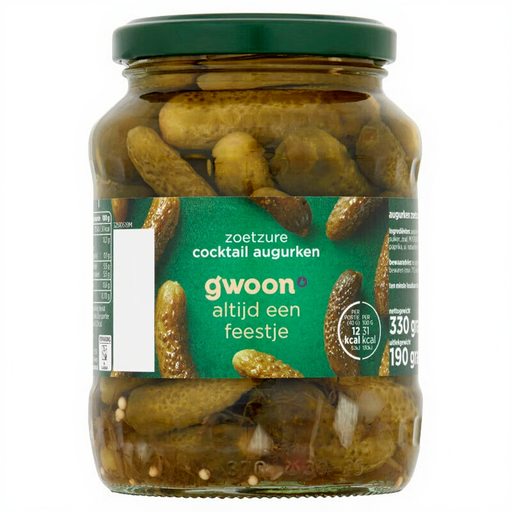
Why it suits this profile: The 320-gram pack is a manageable size if you’re trying sweet-and-sour gherkins for the first time. The small gherkins make a handy snack or work well in sandwiches.
The ingredients and nutritional information are clearly listed. Check the current packaging for allergens; the product information lists mustard seeds.
320 grams, with 5.5 grams of sugar and 0.7 grams of salt per 100 grams according to the product information; ready to serve.
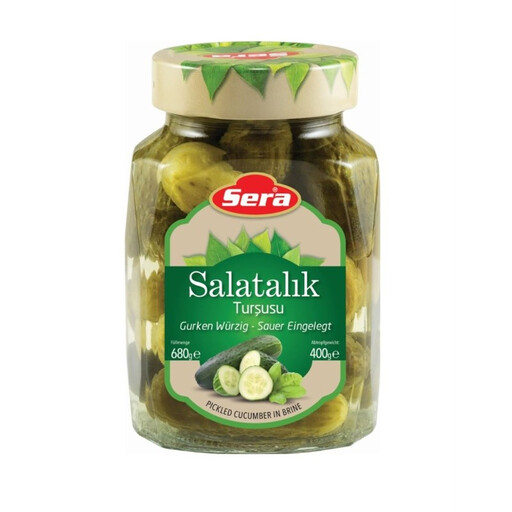
Why it suits this profile: These Turkish pickles are a good choice if you’re looking for a larger jar of sour, crunchy cucumbers to serve with salads, sandwiches and meals.
The product information lists cucumbers, vinegar, salt, sugar, garlic and spices, giving you a better idea of the flavour before you buy.
680 grams, made in Turkey according to the product information, with crunchy mini cucumbers to enjoy at several meals.
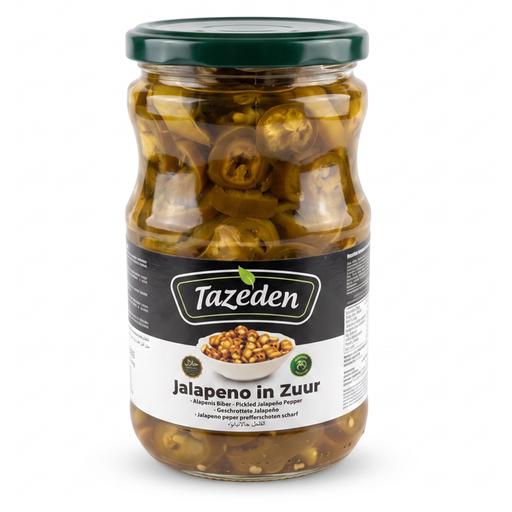
Why it suits this profile: The 600 cc pack is ideal if you regularly add jalapeños to burgers, wraps, tacos, pizzas and salads.
The product information clearly describes a spicy flavour profile and lists 4.9 grams of salt per 100 grams, so you can better judge its intensity in advance.
600 cc, crunchy jalapeño peppers and, according to the product information, refrigeration after opening.
We’ve put together a complete, up-to-date list of products that meet these strict selection criteria and current European safety regulations.
It depends on the product. Store opened jars or packs according to the label, usually in the fridge and with the vegetables fully covered by the brine. Follow the stated period after opening, and look out for changes in smell or colour, mould or swollen packaging.
Some are, but check the ingredients. Kimchi, for example, may contain fermented anchovy or prawn sauce. Atjar, gherkins and pickled radishes may be suitable for a plant-based diet, but the current label is always the best guide.
Gherkins are pickled cucumbers, often preserved in vinegar with sugar, salt and spices. ‘Pickles’ is a broader term for pickled vegetables and can also include jalapeños, radishes, onions or mixed vegetables. The flavour can range from sweet and sour or mild to sour, spicy or hot.
