
Vandaag of morgen in huis

Kwaliteit gegarandeerd

Welkomstaanbiedingen ontgrendelen: GRATIS bezorging | Tot 80% korting | Gratis 30 dagen JoyPlus-proefperiode
Download de app
A jar of pickled vegetables might seem straightforward to choose, but the difference between sweet-and-sour vegetables, pickles and Asian pickles often comes down to flavour, packaging and ease of use. A large jar can look like good value, only for you to end up with mostly brine at home. A small pouch, on the other hand, can run out quickly if you regularly prepare noodles, rice or bread rolls.
With this practical buying guide, you'll know what to look for and which popular choices suit different eating habits.
The contents stated on the label aren't always the same as the amount of vegetables you actually eat. So, where this information is available, check the drained weight. For example, Kesbeke Pickled Cucumbers lists a net content of 1,500 grams, with a drained weight of 900 grams.
A larger pack is mainly worthwhile if you often serve gherkins, pickled cucumbers or other pickles. For occasional use, a smaller pack can be more practical.
Not every product with a sour taste is fermented. Many pickles are preserved with vinegar, water and salt. Kimchi can taste spicy and aromatic as well as sour. Pickled ginger is usually intended as a fresh accompaniment to sushi, while pickled peppers can add more heat to a meal.
So, check the ingredients list and product description rather than relying solely on words like "authentic" or "traditional". Brand descriptions are not an independent guarantee of a particular flavour or production method.
Pickled vegetables often contain salt, acidity regulators, sugar, sweeteners or preservatives. For instance, WuJiang Light Preserved Mustard Tuber lists 7 grams of salt per 100 grams and contains mustard as an allergen. Obento Pickled Ginger includes aspartame; the packaging states that it is a source of phenylalanine.
Always check the current label. The information on a web shop may differ from the packaging. Pay particular attention to mustard, sulphites and other allergens when cooking for several people.
First, decide what you'll be using the vegetables for:
Also pay attention to the form. Whole cucumbers stay firm as a snack, while slices or strips are ready to use straight away for sushi, bread rolls and salads.
A jar, tin or pouch affects how you use the product. For kitchen cupboard storage, unopened tins and jars are convenient, as long as you follow the storage instructions on the packaging. Once opened, the product often needs to be refrigerated and used within the stated period.
A pack of 150 to 350 grams is suitable if you like to vary regularly. A larger jar of 680 grams or more makes more sense for a family, a dinner party or heavy use.
Compare the amount of salt, sugar and energy per 100 grams. The values vary greatly between products. G’woon Red Cabbage lists 6 grams of sugar and 0.6 grams of salt per 100 grams. Sera Sus Biber Tursusu lists 3.935 grams of salt per 100 grams. That doesn't automatically make the products suitable or unsuitable, but it helps you make a choice that fits your diet.
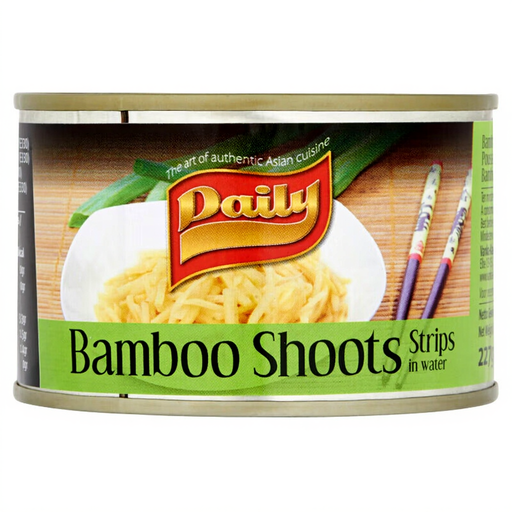
Why this suits the profile: A straightforward pack for anyone wanting to try bamboo shoots first in stir-fries, soups or salads.
The 227-gram pack stops you from buying a large stock straight away. The ingredients list is concise: bamboo shoots, water and citric acid.
227 grams; ready to use; according to the product information, 0 grams of salt per 100 grams.
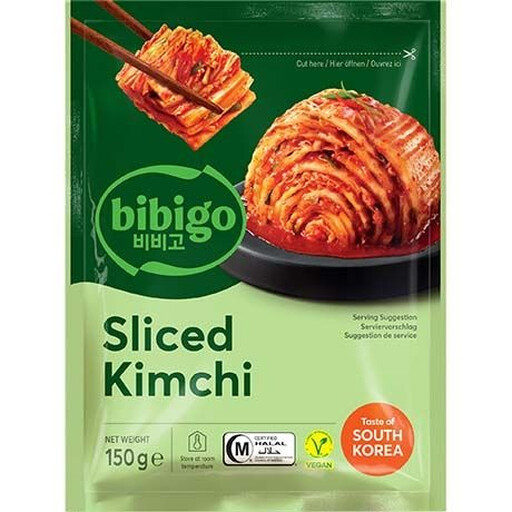
Why this suits the profile: Ideal for anyone wanting a compact portion of Korean kimchi for rice, noodles or as a side dish.
The 150-gram portion limits waste if you don't use kimchi every day. Check the packaging after opening for the correct storage instructions.
Chopped Chinese cabbage; contains radish and chilli powder; 44 kcal and 1.7 grams of salt per 100 grams according to the product information.
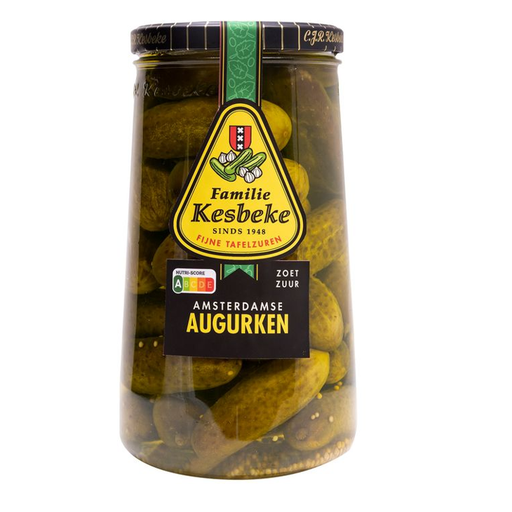
Why this suits the profile: A generous supply for households that often serve pickled cucumbers with bread rolls, burgers, sharing platters or barbecues.
The stated drained weight of 900 grams makes the actual amount of cucumbers clearer than just the volume of the jar.
1,700 ml content; sweet-and-sour brine; to be kept refrigerated after opening and kept submerged in the brine.
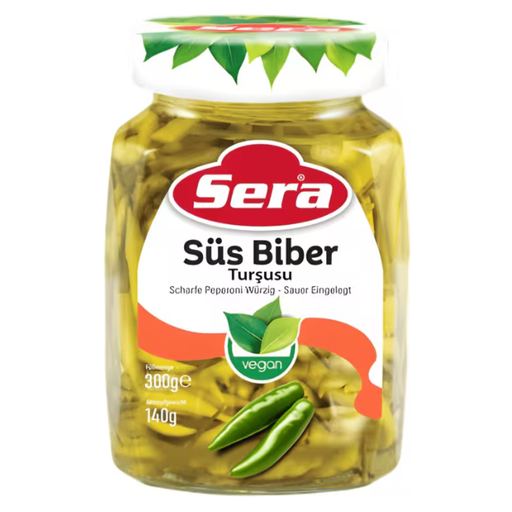
Why this suits the profile: For anyone looking for a sour, spicy topping for Turkish dishes, salads, sandwiches and grilled meat.
The product information clearly states that this is a spicy product. Sulphites are also listed as an allergen, so you can check the label accordingly.
300 grams; finger peppers; 3.935 grams of salt per 100 grams according to the stated nutritional information.
We've put together a full, up-to-date list of products that fully meet these strict selection criteria and current European safety regulations.
Unopened products are generally edible until the date on the packaging, provided you store them according to the instructions. Once opened, you often need to keep the jar or pouch in the fridge and use it relatively quickly. Keep cucumbers submerged in the brine and do not use any product with damaged packaging.
No. With many pickles, vinegar provides the sour taste and preserves them. With fermentation, the sourness develops through a controlled process using micro-organisms. The product name and ingredients list don't always give full details about the production method. So, read the label and the product description.
Pickled ginger, pickled radish, kimchi and bamboo shoots are practical choices. Ginger is often served in thin slices, radish adds colour and crunch, and bamboo shoots add texture to warm dishes. If in doubt, start with a small pack so you can try the flavour without building up unnecessary stock.
