
Vandaag of morgen in huis

Kwaliteit gegarandeerd

Welkomstaanbiedingen ontgrendelen: GRATIS bezorging | Tot 80% korting | Gratis 30 dagen JoyPlus-proefperiode
Download de app
Pickled vegetables are a quick and easy way to instantly add flavor, texture, and depth to a meal. Whether you want to elevate a bowl of rice, prepare an authentic Asian dish, or are simply looking for a crunchy side, the selection can be overwhelming. Unfortunately, this often leads to disappointing choices. Before you pick a jar, it's wise to know what to look for to avoid common pitfalls.
Many buyers fall into a few well-known traps:
By paying attention to a few key points, you can easily avoid these disappointments and find the right jar of pickled vegetables for your taste and dish.
Making a good choice isn't difficult if you know what to look for. Focus on these three objective criteria to see through the marketing jargon and find a product that truly delivers on its promise.
The ingredient list is your most important source of information. Look beyond the front of the package. A shorter list is often a good sign. Pay attention to the following elements:
Not all Asian pickles are the same. The origin and type determine the flavor and use.
Zha cai from Sichuan is salty and often spicy, while pickled vegetables from Beijing, like those from Liu Bi Ju, often have a sweeter taste due to the use of sweet bean sauce.Choosing a specific type, such as a base for suan cai yu, ensures you get the right flavor balance for that dish.
How the vegetable is cut affects its texture and how you can use it. Strips of radish are perfect as a direct side dish for rice, while whole or coarsely chopped vegetables offer more flexibility for you to slice for stir-fry dishes. The packaging often mentions terms like "crunchy" or "crisp," which indicates the expected texture.
Based on these criteria, we have selected a few popular choices that suit different preferences and uses.
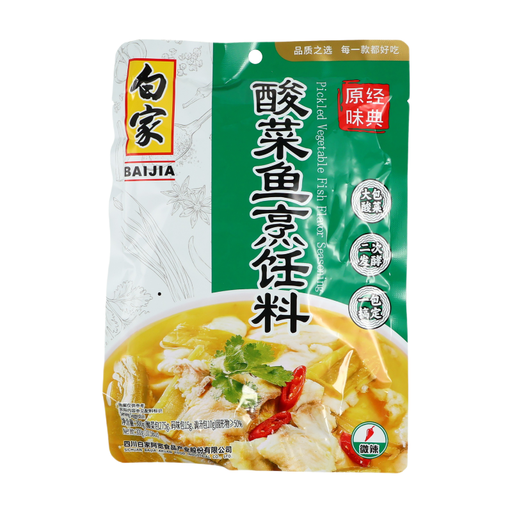
Why This Fits Their Persona: Ideal for those who want to create an authentic Sichuan classic at home. This kit makes the complex dish suan cai yu (fish with pickled vegetables) accessible, without you having to source all the individual ingredients.
This is not a generic pickled vegetable, but a specific base for a dish. It delivers the required complexity and spicy-sour flavor, thus avoiding the pitfall of a one-dimensional product.
An all-in-one kit with the right pickled mustard greens and a rich broth base for an authentic result.
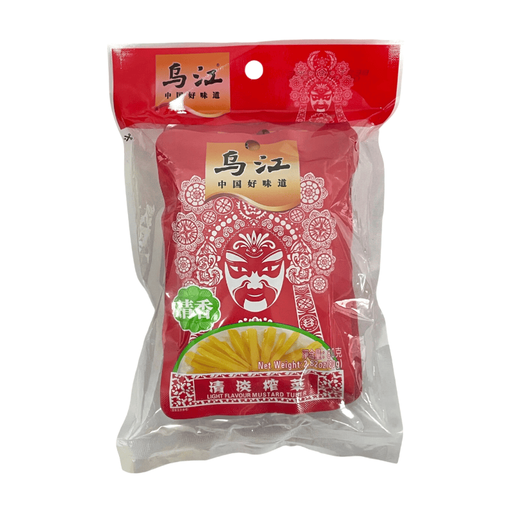
Why This Fits Their Persona: Perfect for anyone looking for a quick, hassle-free side dish for rice or noodles. Its mild, savory flavor isn't overpowering and complements a wide variety of meals.
The individual packaging prevents texture disappointment. The vegetables stay crunchy until the moment of use, unlike a large jar that can become soft after opening.
Convenient portion packs for ease and hygiene. The texture is crisp, and the flavor is mild and versatile.
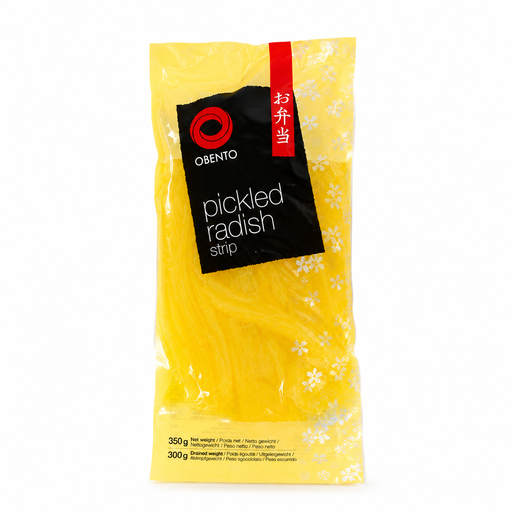
Why This Fits Their Persona: For those who love the classic, refreshing taste of pickled radish. The sweet and sour flavor and crunchy texture make it a versatile addition to salads, sushi, or as a snack.
The ingredient list is short and clear (radish, water, salt, sugar, vinegar). This product avoids the "authentic" trap by delivering what it promises: a pure flavor without unnecessary additives.
A classic sweet and sour taste with a very crunchy texture. Contains no artificial colors or preservatives.
We have compiled a complete, up-to-date list of products that fully meet these strict selection criteria and current regulations.
The exact shelf life is usually stated on the packaging. As a general guideline, store the opened jar in the refrigerator and consume the contents within a few weeks. Always use clean utensils to take contents from the jar to extend its shelf life.
Zha cai specifically refers to the pickled, tuberous stem of the mustard plant, a specialty from the Sichuan kitchen with a distinctive salty and often spicy flavor. The term Chinese pickles is broader and includes a wide range of pickled products, such as radish, cabbage, cucumber, and beans, which differ in preparation and taste by region.
Certainly not. While many types make an excellent side dish for rice or noodles, others function as an indispensable base ingredient. For example, the pickled mustard greens in a kit for suan cai yu are essential for the soup's flavor. Other varieties, such as spicy mushrooms or vegetable mixes, are used to add depth and a savory taste to stir-fries, stews, and salads.
