
Vandaag of morgen in huis

Kwaliteit gegarandeerd

Welkomstaanbiedingen ontgrendelen: GRATIS bezorging | Tot 80% korting | Gratis 30 dagen JoyPlus-proefperiode
Download de app
Pickled vegetables are handy as a side dish, snack, topping or flavour enhancer. From gherkins and sweet-and-sour gherkins to Turkish turşu, kimchi and pickled peppers, there is plenty of choice, but the differences often come down to details on the label. An attractive jar is not automatically suitable for your dishes or household.
With this practical guide, you can compare flavour, size, ingredients, nutritional values and intended use. That way, you can avoid buying a large jar that turns out to be too sweet, too salty or too hot.
A 680- or 700-gram jar does not always contain the same amount of drained vegetables. Some of the weight comes from water, vinegar or brine. So check the drained weight when comparing products. This is particularly important for gherkins, pickled peppers and mixed pickled vegetables.
Flavour descriptions are not always enough to determine the intensity. Check the ingredients for sugar, vinegar, chilli, garlic and spices. Sweet-and-sour gherkins often work well in sandwiches and salads, while Turkish turşu can generally be more acidic, savoury or spicy.
The heat of pickled peppers can also vary from one variety to another. A product description may say mildly spicy, but if you are not used to much heat, it is worth checking the ingredients and product information carefully.
Mustard is found in various gherkins and piccalilli products. Sulphites may be present in pickled cabbage, peppers and Asian pickles. According to the packaging, some kimchi products may contain fish or shellfish ingredients, while other varieties make no such mention.
That is why you should always read the physical label. The packaging is the definitive source for allergen information, shelf life and instructions. Once opened, a jar will usually need to be kept tightly sealed and refrigerated, but always follow the manufacturer’s instructions.
First, check which main ingredient you are getting. A jar of mixed pickled vegetables may contain cucumber, carrot, pepper and cauliflower. Pickled cabbage may be finely chopped or packed in leaves. For sushi or noodle bowls, pickled radish and pickled ginger are often more practical in strips or slices.
Also compare:
Pickled vegetables often contain salt from the brine and vinegar for preservation and flavour. The nutritional information per 100 grams makes comparisons easier. For example, the 670-gram g'woon Sweet And Sour Gherkins lists 5.5 grams of sugar and 0.7 grams of salt per 100 grams. Sera Karisik Tursu lists 2.5 grams of salt per 100 grams.
That does not mean one product will suit everyone. If you are looking for a sweeter flavour, check the sugar and sweeteners. If you want a savoury Turkish or Mediterranean variety, pay particular attention to salt, vinegar, garlic and spices.
Not every pickle is made in the same way. Some products are preserved in vinegar, while others are fermented or combine both methods. According to the product information, Green Dragon Sour Pickled Green Mustard is described as fermented, sour mustard greens and contains 85% mustard greens. According to the label, Bibigo Kimchi contains ingredients including Chinese cabbage, radish, chilli powder and lactic acid.
This makes a difference depending on how you plan to use it:
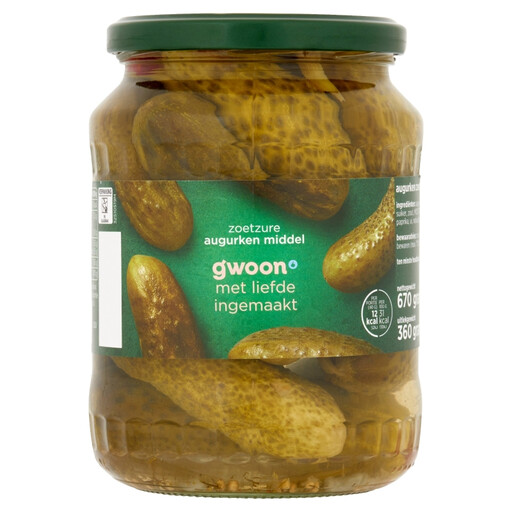
Why it suits this profile: A generous jar for everyday use in sandwiches, salads or as a snack. The sweet-and-sour flavour is approachable for anyone buying pickled vegetables for the first time.
The product information lists the jar weight, ingredients and nutritional values. Nevertheless, check the drained weight and label before buying.
670 grams of contents; suitable for several eating occasions; contains mustard according to the product information.
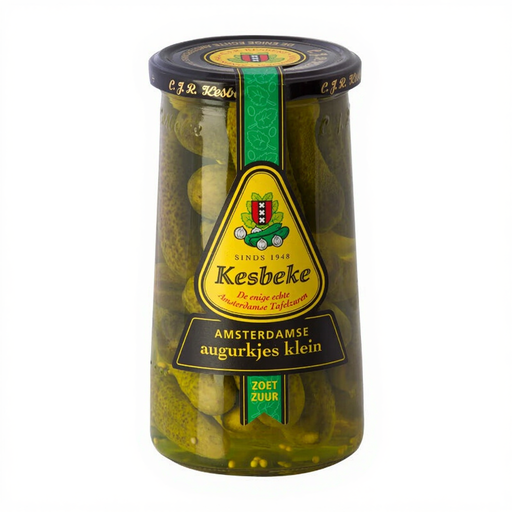
Why it suits this profile: A Dutch option for fans of classic gherkins with sharing boards, sandwiches and cold dishes.
The product information mentions different shapes and varieties. So check whether you will receive slices, pieces or whole gherkins.
720 ml jar; according to the stated nutritional information, 0.25 grams of salt per 100 grams; suitable as a table pickle.
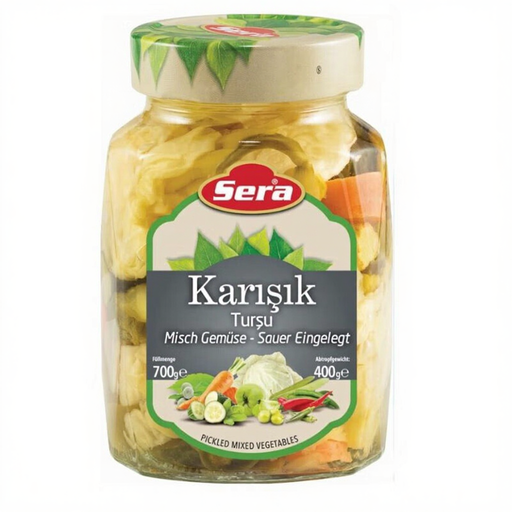
Why it suits this profile: A versatile choice for households, mezze platters, catering or fans of Turkish turşu with rice, sandwiches and grilled dishes.
The product information lists several vegetables, including cucumber, carrot, pepper and cauliflower. This means you are not buying just one type of vegetable in a large jar.
Mixed vegetables; stated jar size of 700 grams; suitable as a side dish or condiment.
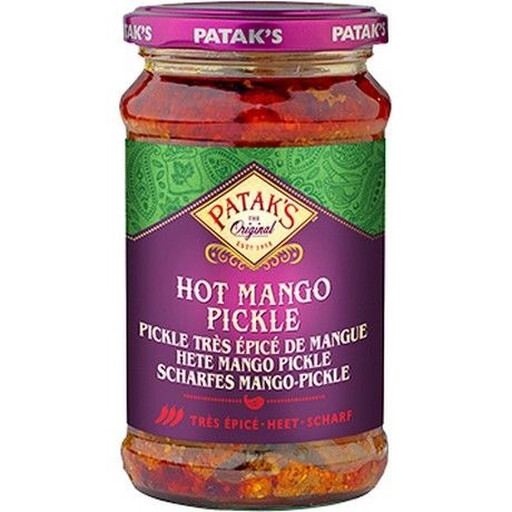
Why it suits this profile: Ideal for anyone looking to add a hot, spicy accompaniment to curries, rice dishes and Indian meals.
The ingredients list mango, oil, salt, mustard and spices. The nutritional information states 8.2 grams of salt per 100 grams, so use it as a flavour enhancer rather than in large portions.
Approximately 60–68% mango according to the product information; compact 283-gram jar; contains mustard and may contain traces of peanuts and nuts.
We have put together a complete, up-to-date list of products that fully meet these strict selection criteria and the applicable European safety regulations.
Gherkins, sweet-and-sour gherkins, piccalilli and pickled onions are practical choices. Choose slices or small pieces if you want to add them straight to bread. For a spicier sandwich, try pickled peppers or Turkish turşu.
This varies by product. Store an opened jar according to the label, usually tightly sealed in the fridge. Always use clean cutlery, keep the vegetables beneath the liquid as much as possible and follow the stated period after opening. Throw the product away if it develops an unusual smell, mould or damaged packaging.
Some varieties are suitable for a plant-based diet, such as Green Dragon Sour Pickled Green Mustard according to the product information. With kimchi, you should read the label particularly carefully: some recipes may contain fermented anchovy or prawn sauce. Also check piccalilli, mango pickle and Asian pickles for allergens and ingredients before ordering.
