
Vandaag of morgen in huis

Kwaliteit gegarandeerd

Welkomstaanbiedingen ontgrendelen: GRATIS bezorging | Tot 80% korting | Gratis 30 dagen JoyPlus-proefperiode
Download de app
Whether you're preparing a multi-course Indonesian rice table, giving a hearty meal a tangy kick, or looking for a quick flavour enhancer for your noodles, pickled vegetables are an indispensable staple in many kitchens. However, the selection is vast, ranging from traditional Dutch table pickles to complex Asian pickles. Unfortunately, this often leads to disappointment: jars that disappear to the back of the cupboard after just one taste.
As a Joybuy Product Recommendation Officer, I see a lot of products come and go. I'm here to help you recognise the pitfalls so you can find the perfect jar for your dish right away.
Before you grab a jar off the shelf, be aware of these common issues that can ruin the taste and texture.
To bypass these pitfalls, there are a few concrete points you can check before making a purchase.
The foundation of good sweet and sour vegetables is simple: vegetables, vinegar, water, salt, and possibly sugar and spices. Be wary of a long list of E-numbers (additives).
Not all pickled vegetables are created equal. The origin and type of vegetable are crucial for their application.
The way vegetables are cut is functional. Whole radishes are ideal for slicing yourself for sushi, while finely chopped vegetable mixes are ready to be mixed directly into a dish. The product description often mentions whether the texture is crisp, firm, or soft. This is a crucial indicator of quality.
Below are some popular choices, matched to different tastes and preferences.
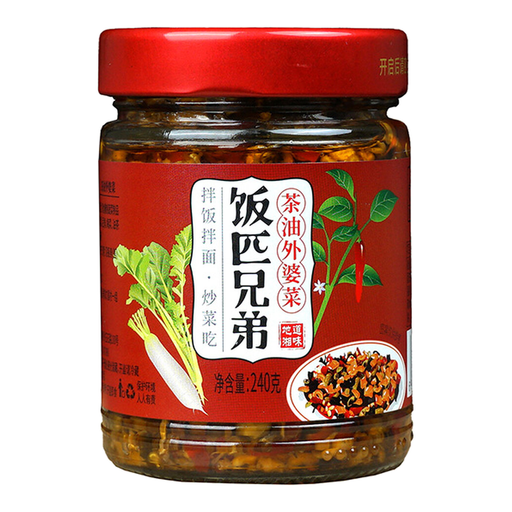
Why This Fits Their Persona: Perfect for those seeking an authentic, complex flavour from Hunan cuisine. This mix of diverse vegetables with camellia oil is not your standard table pickle, but a layered condiment for stir-fries, noodles, or rice.
The ingredient list shows a rich mix of real vegetables like radish, cabbage, and long beans, enriched with camellia oil. This avoids the pitfall of a one-dimensional, overly sweet taste.
Ready-to-use and versatile. Instantly adds a deep, savoury, and slightly spicy flavour characteristic of Hunan cuisine.
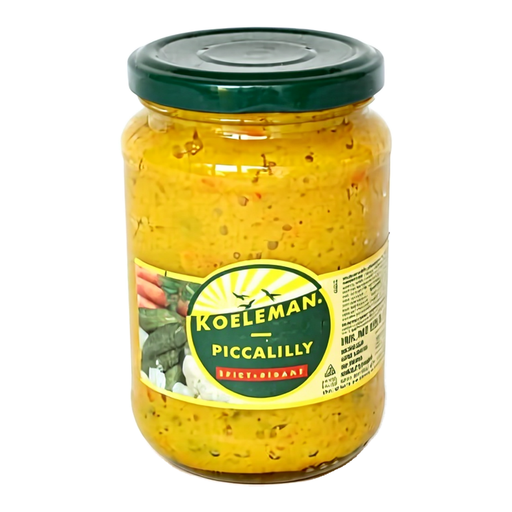
Why This Fits Their Persona: For those who love the familiar, mildly spicy flavour of a classic Dutch piccalilly. Ideal as an addition to hearty meals, on a cheese sandwich, or as part of a snack platter. A true classic.
The description highlights the "crisp" pieces of cauliflower, gherkin, and onion. This product is based on a traditional recipe and avoids the pitfall of a mushy texture.
A classic, fresh, and mildly spicy taste. Made with a mix of fresh vegetables and a base of mustard and vinegar for an authentic flavour experience.
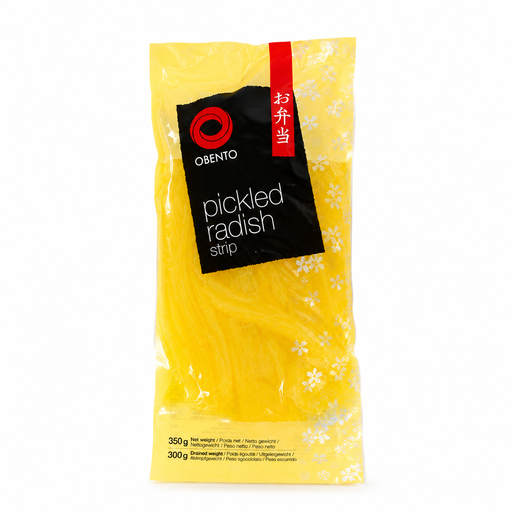
Why This Fits Their Persona: Ideal for those who want to quickly add a crisp and fresh element to salads, rice bowls, or as a garnish for sushi. The strips are ready to use, making it a convenient product for quick meals.
The ingredient list is short and clear: radish, water, salt, sugar, and vinegar. This product avoids the pitfall of unnecessary additives and artificial flavours. The focus is on the crisp texture.
Ready-to-use, refreshing, and crisp. Contains no artificial colourings or preservatives and is low in calories.
We have compiled a complete, up-to-date list of products that fully meet these strict selection criteria and Dutch regulations.
Most pickled vegetables can be kept in the refrigerator for several weeks to months after opening. The exact shelf life depends on the amount of acid and salt. Always use clean utensils to take contents from the jar to prevent spoilage. To be safe, always consult the label on the packaging.
Although they are all pickled vegetables, they differ greatly in taste and use.
Pickled vegetables are primarily intended as a condiment and not as a direct replacement for the nutritional value of fresh vegetables. The pickling process can reduce the amount of certain vitamins. However, they are an excellent way to add texture, flavour, and a sour or salty component to a meal. Think of them as a complement, not a substitute.
