
Vandaag of morgen in huis

Kwaliteit gegarandeerd

Welkomstaanbiedingen ontgrendelen: GRATIS bezorging | Tot 80% korting | Gratis 30 dagen JoyPlus-proefperiode
Download de app
Searching for that specific, savoury, and crunchy condiment for your rice or noodles? The world of pickled vegetables is vast, but finding the right jar can be a challenge. Many products on the shelves promise an authentic experience but deliver a flat, one-dimensional taste. This often leads to disappointment, especially when you're seeking that specific flavour from your childhood or a trip abroad.
Before making a purchase, it's wise to be aware of a few common pitfalls:
To avoid a disappointing purchase, you can look for a few specific characteristics on the packaging. These specifications provide a clearer picture of what to expect than the marketing copy on the front.
The vegetable used determines the fundamental flavour and texture. Look closely to see if the product is made from:
The cut (strips, slices, cubes, or whole) influences how you use the product, either as a direct side dish for rice or as an ingredient in a stir-fry.
The ingredients list reveals the true character of the pickled vegetables. The liquid or sauce is the key to the flavour.
Check the ingredients to see if the flavour profile matches what you're looking for: a mild addition or a powerful flavour bomb.
Below are some popular choices, matched to different preferences and use cases.
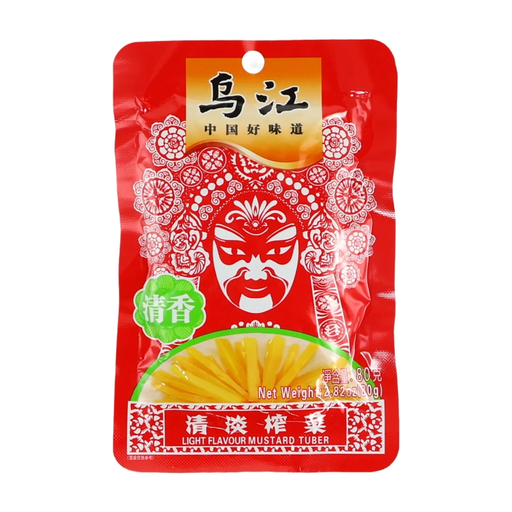
Why This Fits Their Persona: For those seeking the classic, everyday zha cai. This is the familiar, crunchy, and salty condiment that is perfect as a side dish with congee, rice, or noodles. It's a staple in many Chinese households.
This product is not 'Westernised'. It delivers the direct, savoury flavour and crunchy texture of pickled mustard stems that you expect, without unnecessary sweetness or mild adjustments.
Made from mustard stem, it retains a firm bite. It's a 'light-salted' version, which makes the flavour slightly milder than extremely salty varieties, but still authentic.
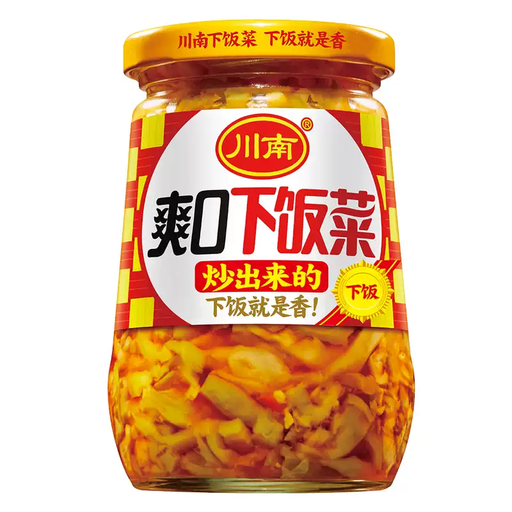
Why This Fits Their Persona: Ideal for those who want more than just salty and sour. This mix of vegetables in chilli oil offers a rich, layered, and spicy flavour that instantly elevates a simple meal.
This is not a one-dimensional 'hot sauce'. The combination of pickled mustard tuber, radish, and yardlong beans in rapeseed oil with chilli and spices ensures a complex flavour and a varied, crunchy texture.
A versatile mix of vegetables (mustard tuber, radish, yardlong beans) in one jar. The base of chilli pepper, ginger, and garlic provides a deep, savoury, and spicy flavour.
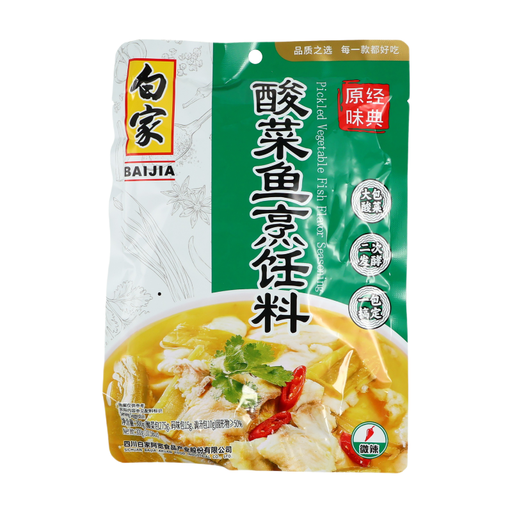
Why This Fits Their Persona: For anyone who wants to make the classic Sichuan dish Suan Cai Yu (fish with pickled greens) at home. This package is not a side dish, but a complete meal kit with the right kind of pickled vegetables and broth base.
It prevents the mistake of using the wrong type of pickled vegetable. This kit contains the specific suan cai (fermented mustard greens) needed for the authentic, sour-and-spicy flavour of the dish.
An all-in-one solution for a complex dish. It includes both the pickled mustard greens and the seasoning base, significantly reducing preparation time.
We have compiled a complete, up-to-date list of products that meet these selection criteria and comply with current regulations.
1. How do I store an opened jar of pickled vegetables? Most pickled vegetables should be stored in the refrigerator in a well-sealed jar or container after opening. Products preserved in oil generally have a slightly longer shelf life. It is always wise to check the label of the specific product for the manufacturer's storage instructions. Always use clean utensils to maximise shelf life.
2. What is the difference between Chinese pickled vegetables and Western-style pickles? The main difference lies in the flavourings. Western table pickles, such as gherkins and piccalilli, primarily use a base of vinegar, sugar, and sometimes mustard for a predominantly sweet-and-sour taste. Asian pickles, particularly Chinese varieties, often also use soy sauce, fermented bean paste, sesame oil, chilli oil, and spices like Sichuan pepper. This results in a more complex flavour profile that is savoury (umami), salty, sour, and often spicy.
3. Can I eat zha cai or suan cai directly from the package? Yes, most of these products are ready to eat. Zha cai (pickled mustard stems) is typically eaten directly as a crunchy and salty side dish for rice, congee, or noodles. Some people give it a quick rinse under the tap if they find the taste a bit too salty. Suan cai can also be eaten directly, but it is more often used as a key ingredient to impart a sour and complex flavour to soups and stir-fries, as in the famous dish Suan Cai Yu.
