
Vandaag of morgen in huis

Kwaliteit gegarandeerd

Welkomstaanbiedingen ontgrendelen: GRATIS bezorging | Tot 80% korting | Gratis 30 dagen JoyPlus-proefperiode
Download de app
A jar of pickled peppers or a quality chili oil can transform a simple meal. But the selection is overwhelming, and not every product delivers the flavour or texture you expect. You buy a jar that looks fiery, but the contents are sweet and mushy. Or you're looking for a crisp side dish and get a soggy mess. As a Product Recommendation Officer at Joybuy, I see where things often go wrong. Let's cut through the marketing jargon and see how you can make the right choice.
Before you put a jar in your basket, watch out for these common disappointments:
To avoid these pitfalls, there are a few specifications you should always check. These are the factors that truly separate a good purchase from a bad one.
The liquid in which the peppers or vegetables are preserved determines the flavour and use.
The ingredient list is your most important tool. Look beyond the front of the label.
Not everyone is looking for the same thing in a jar of peppers. Here are a few choices, linked to specific preferences.
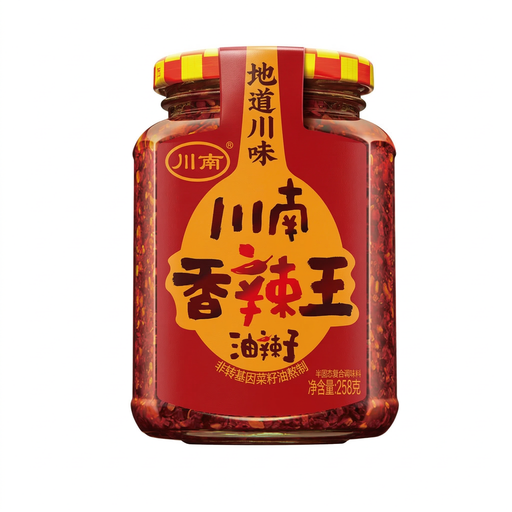
Why This Fits Their Persona: This user is seeking the signature 'málà' (spicy and numbing) sensation of Sichuan cuisine. This chili oil is perfect as a base for authentic dishes or for instantly giving a simple bowl of noodles a complex, deep flavour.
This isn't a vague 'hot sauce'. The ingredient list explicitly mentions rapeseed oil, chili peppers, and Sichuan peppercorns. So you know you're getting the authentic, numbing heat and not a sweet distraction.
Versatile in use: suitable for stir-frying, dipping, and marinating. The oil is clear and aromatic, indicating a quality production process.
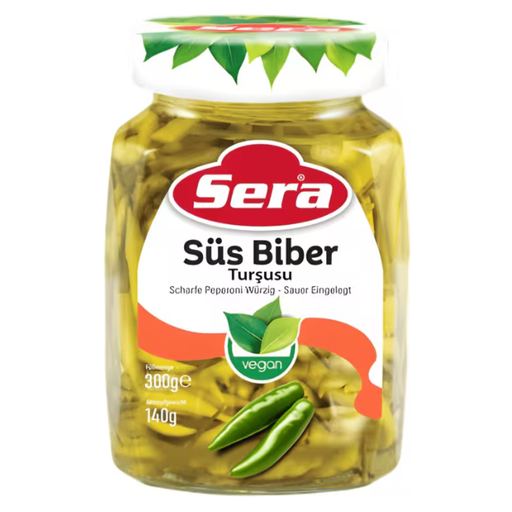
Why This Fits Their Persona: Ideal for those looking for classic Turkish peppers. Perfect as a fresh, tangy, and spicy side dish with heavier meals like stews, kebabs, or simply on a sandwich. The focus is on the pure, sour taste and crisp texture.
This product solves the 'texture trap'. They are whole peppers that retain their crispness. The ingredient list is short and clear (chili pepper, water, salt, vinegar), so you won't get an unexpected sweet taste.
Authentic Turkish flavour and ready to use. The tangy brine cuts through richness and refreshes the palate.
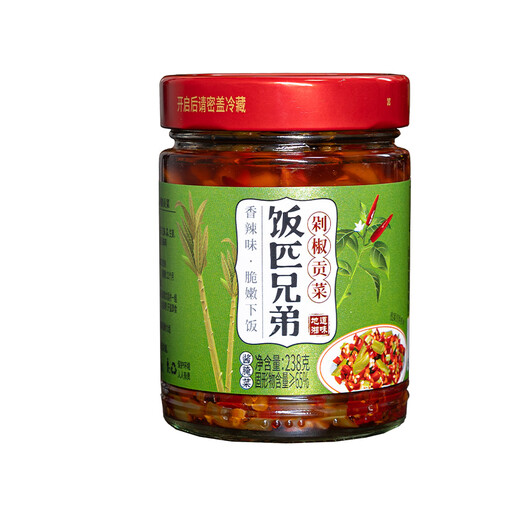
Why This Fits Their Persona: For those who want something different from standard peppers. This product combines chopped chili with Gong Cai (asparagus lettuce), a vegetable known for its unique, extremely crunchy texture. Perfect as a surprising topping on rice or noodles.
This product is the definition of 'no texture disappointment'. The crunchiness of the Gong Cai is its key feature. The flavour is a complex mix of spicy, salty, and umami, not just a simple hot sauce.
Offers a unique, addictive crunch you won't find in many other products. Ready to use as a flavourful and texturally rich side dish.
We have compiled a complete, up-to-date list of products that meet these strict selection criteria and comply with UK regulations.
1. How do I store opened pickled peppers and chili oil? Vinegar- or brine-based products (like Turkish peppers) should be refrigerated after opening, tightly sealed in their own liquid. Chili oil is also best stored in the fridge to maintain the freshness of the oil. Always use a clean spoon to take something out of the jar to prevent spoilage.
2. What is the difference between Turkish and Asian pickled peppers? Generally, Turkish pickled peppers (tur?u) focus on a sour and salty flavour with a crisp texture. They are often eaten as a side dish. Asian varieties, especially from Sichuan cuisine, often combine spiciness with complex flavours like umami (from soybeans or MSG), sweetness, and the characteristic numbing 'málà' taste of Sichuan peppercorns. They are more commonly found in oil or as a thicker sauce.
3. Can I use pickled vegetables for cooking? Oil-based products, such as chili oil and various Asian condiments, are excellent for cooking. They add depth and flavour to stir-fries and stews. It's best not to heat vinegar-based pickled vegetables for long, as they will lose their crisp texture and fresh, tangy taste. Instead, add them at the end of the cooking time or use them as a garnish.
