If you’re mixing in a quiet room without an active microphone, start by comparing open-back, wired studio headphones. If there’s background noise or you’re recording at the same time, a closed-back model is usually a better fit, as it offers isolation and may reduce sound leakage. Then compare fit and connectivity, and check important balance and stereo decisions on another listening system too: an open design or a manufacturer’s claim alone can’t guarantee a mix that translates well.
Who is this for?
Piano mixer working in a quiet room
You’re editing recordings without an active microphone and want to assess the attack, tonal balance and stereo placement. Sonarworks points out that headphones present the stereo image differently from speakers, so check important mix decisions on a second listening system too.
Piano mixer working with background noise
You can hear noise from outside or share your workspace, so isolation matters more to you. beyerdynamic describes the DT 700 PRO X as a closed-back alternative; the fit around your ears also affects how well the headphones isolate sound in use.
Pianist recording and listening at the same time
You’re monitoring while a microphone records the piano and want to limit sound leakage towards the microphone. Sound On Sound describes the difference between the open DT 900 PRO X and the closed DT 700 PRO X. Also check that the cable and plug suit your monitoring setup.
What should you look for?
Open-back, wired studio headphones
When: You usually mix in a quiet room and aren’t recording at the same time with an open microphone. beyerdynamic describes the DT 900 PRO X as an open-back model for mixing.
The trade-off: Open-back earcups offer less isolation from background noise and let sound escape. It’s still worth checking your mix on another listening system.
Closed-back, wired studio headphones
When: You can hear noise from outside, share your workspace or monitor while a piano microphone is active. beyerdynamic describes the DT 700 PRO X as a closed-back model that’s also suitable for mixing.
The trade-off: How well the earcups isolate sound depends partly on the fit. Closed-back doesn’t automatically mean a better stereo image or mix balance in every situation.
First, work out whether background noise or sound leakage is a problem. Then compare fit, connectivity and comfort, and check your mix decisions on a second listening system.
| What to consider |
What should you check? |
Who should prioritise this? |
| Tonal balance and stereo image |
Compare familiar piano passages at a comfortable volume, and check the mix on a second listening system too. |
If I want to assess attack, tonal balance and stereo placement in a quiet room, I need to know how my decisions translate beyond the headphones. Around 31% of consumers say mix evaluation is their top buying priority. |
| Isolation and sound leakage |
Check the fit around your ears, including if you wear glasses, and test for audible sound leakage while recording. |
If there’s background noise or an active piano microphone, I want to limit noise from outside and leakage into the microphone. Around 23% of consumers prioritise isolation. |
| Comfort |
Try the headphones during a longer listening session and pay attention to the pressure from the headband and ear cushions. |
If I’m mixing for a long time, I want the fit to stay comfortable; the material or weight alone doesn’t determine how comfortable they feel. Around 23% of consumers say comfort is their top buying priority. |
| Connectivity, cable and maintenance |
Check the plug type, whether you need an adapter, the cable length and the availability of parts for the exact model. |
If my headphones need to work with an existing monitoring output, I want to make sure the cable and connection are compatible beforehand. Around 23% of consumers prioritise connectivity and maintenance. |
Common mistakes
-
Automatically choosing an open-back model because you mix
Open-back models offer less isolation when noise comes in from outside or a piano microphone is active.
First, work out whether you mainly mix in quiet conditions or also record and need isolation. Then compare models in the category that suits your situation.
-
Assuming a manufacturer’s claim of accurate sound guarantees a good piano mix
Headphones and speakers present stereo width differently; a model description can’t tell you how your own listening setup will sound.
Listen to familiar piano passages and check important balance and stereo decisions on another listening system.
-
Choosing based only on impedance or plug size
Wired models differ in their connections and cables, so check that the combination works with your monitoring output.
Check the connection and included cables for the exact model. Also see whether you need a suitable adapter or replacement cable.
An adapter, replacement cable or other suitable monitoring solution may mean extra items are needed.
Brands to compare
Sennheiser
The open-back HD 490 PRO is one model to compare for mixing in a quiet room. Sennheiser lists separate ear cushions for producing and mixing.
- Sennheiser says the ear cushions are washable and replaceable, and the detachable cable can be connected on either the left or right side.
- Manufacturer claims about sound accuracy aren’t an independent guarantee of how your piano mix will sound. An open-back model isn’t designed to isolate you from your surroundings.
beyerdynamic
The open-back DT 900 PRO X and closed-back DT 700 PRO X give you two designs to compare when mixing, recording or isolation matters.
- beyerdynamic lists an impedance of 48 ohms for the DT 900 PRO X, along with detachable cables and an adapter.
- The manufacturer also describes the DT 700 PRO X as suitable for mixing. That’s a claim about the model, not proof that closed-back headphones will sound better for every mixer.
AKG
AKG positions the open-back K702 for listening, mixing and mastering when you don’t need isolation from your surroundings.
- AKG specifies an impedance of 62 ohms, a detachable cable and replaceable ear cushions.
- The description of its spacious sound comes from the manufacturer. Check the fit and how the model works with your monitoring output.
Audio-Technica
The closed-back ATH-M50x is a wired option to compare if isolation and interchangeable cables matter to you.
- Audio-Technica lists three detachable cables and a 6.3 mm adapter as included.
- The description of sound isolation comes from the manufacturer; how well they isolate in use depends partly on the fit.
Neumann
Neumann describes the open-back NDH 30 as suitable for editing, mixing and mastering when isolation from background noise isn’t needed.
- Neumann’s product description focuses on stereo localisation and transient response.
- These are manufacturer claims, not comparative measurements for piano mixing. An open-back model is less suited to recording at the same time or working with audible background noise.
Joybuy products
This selection includes headphones and a headset whose product information mentions wired connection options or closed-back and noise-cancelling features. Use these details as points to check: on their own, they don’t prove that a model is a studio reference for piano mixing.
 No image available
Sennheiser MOMENTUM 4 Wireless – Black
An option to compare if you want to listen over a wired connection; the product description says they can be used passively without a battery.
The product description mentions Bluetooth, a 42 mm transducer system, a 3.5 mm audio cable, a padded headband and deep ear cushions.
View at Joybuy
 No image available
Bose QuietComfort Ultra Bluetooth Headphones – Black
A closed-back option to compare if you want isolation; check the fit and how they connect to your own monitoring setup.
The product details mention active noise cancellation, Bluetooth 5.3 and an included 3.5 mm cable for wired listening.
View at Joybuy
 No image available
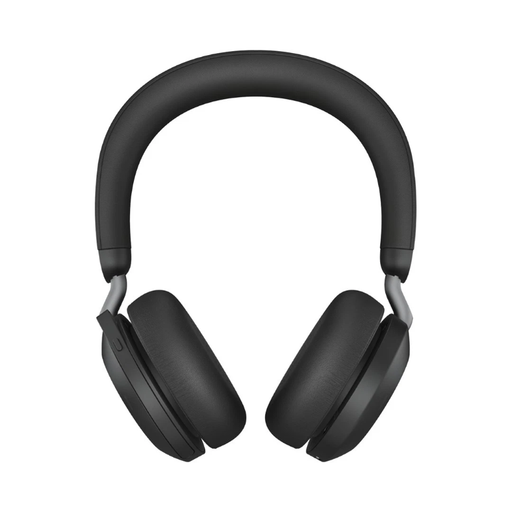
Jabra Evolve2 75 Headset
A headset to compare if you also want to assess the comfort of the headband and earcups; check that the connections suit your monitoring source.
The product description mentions Bluetooth 5.2, active noise cancellation, a USB-C cable connection, an adjustable headband and soft earcups.
View at Joybuy
 No image available
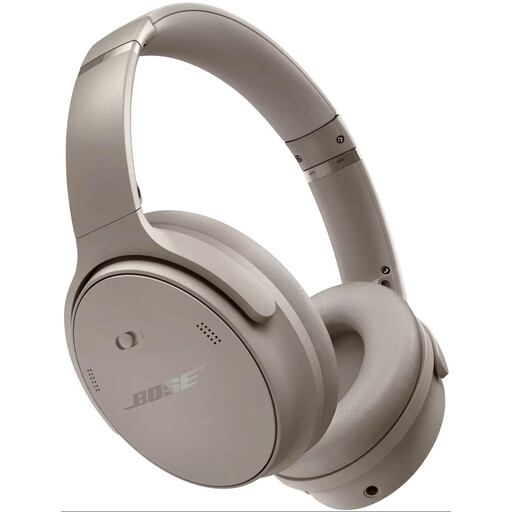
Bose QuietComfort Headphones – Sandstone
Compare the fit for your listening sessions and check how the headphones connect to your monitoring setup.
The product description mentions Bluetooth, active noise cancellation and comfort for longer listening sessions.
View at Joybuy
 No image available
Bose QuietComfort Ultra Headphones (2nd Gen) Black
An option to compare if you want a detachable cable; check that the 3.5 mm connection suits your monitoring output.
The product description mentions Bluetooth 5.4 and active noise cancellation. The product is supplied without a charger; according to the product description, it doesn’t support PD fast charging and needs a 1.8–2.5 W charger.
View at Joybuy
Frequently asked questions
Can you record the piano while wearing open-back headphones?
Only if sound leakage into an active microphone isn’t a problem in your setup. Otherwise, compare a closed-back model and make a test recording; open-back headphones don’t block sound from escaping.
Do you need a separate amplifier for open-back studio headphones?
Not just because the model is open-back. Compare the connection and required output level for the exact model with your interface. For example, beyerdynamic specifies 48 ohms for the DT 900 PRO X, but that figure alone doesn’t tell you whether your output will provide the listening volume you want.
How can you listen responsibly during long mixing sessions?
Keep the volume down and take regular listening breaks. The World Health Organization gives the example of a maximum of 40 hours a week at an average of 80 dB, and four hours a week at 90 dB. This is listening advice, not a Dutch-specific buying requirement; the position of the volume control alone doesn’t guarantee a particular sound level.
What warranty and cooling-off period apply to an online purchase in the Netherlands?
For a consumer purchase, you’re entitled to a legal guarantee for as long as the product lasts as you could reasonably expect. This isn’t a fixed two-year period, and the retailer is your point of contact. ACM ConsuWijzer says that online purchases generally come with a 14-day cooling-off period after delivery; check the applicable exceptions and returns policy.


