
Mixing piano in a quiet room
You’re assessing the balance and stereo placement of recorded piano parts, and don’t need isolation while mixing. Open-back models from beyerdynamic, Sennheiser and AKG are suited to this kind of listening.


If you mix piano recordings in a quiet room, start by comparing wired, open-back models. If you’re recording at the same time as using a microphone, or want to limit background noise, start with a closed-back model. beyerdynamic says the DT 900 PRO X and DT 700 PRO X have open-back and closed-back designs respectively, while Focusrite explains that direct monitoring depends on the audio interface. So check the output, connection, cable route and fit too: having two screens doesn’t in itself call for a particular type of headphones.
You’re assessing the balance and stereo placement of recorded piano parts, and don’t need isolation while mixing. Open-back models from beyerdynamic, Sennheiser and AKG are suited to this kind of listening.
You listen as a microphone records and are looking for a model that offers more isolation than open-back headphones. beyerdynamic describes the DT 700 PRO X as closed-back and the DT 900 PRO X as open-back.
You work with two screens and want to know where the audio output is, how the cable will run across your workspace and whether the headphones are comfortable to wear. Focusrite describes direct monitoring as a feature of a suitable audio interface.
Choose this when: you’re mainly assessing the balance and stereo placement of piano recordings in a quiet room.
Consider: open-back ear cups don’t provide the same isolation as closed-back ones, so they may not be the obvious choice for listening while recording with a microphone.
Choose this when: you’re playing along while recording with a microphone, or want to limit noise from a shared room.
Consider: the fit affects how well a model seals. Manufacturer specifications don’t prove which model will reproduce your piano mix most accurately.
| What to consider | What should you check? | Who is this important for? |
|---|---|---|
| Balance and stereo placement | Compare the exact open-back model with familiar piano recordings on your own playback setup; don’t treat claims about accuracy as independent measurements. | When I mix piano parts in a quiet room, I want to assess the balance and placement properly. Around 36% of consumers put mix balance first on their list of buying priorities. |
| Isolation while recording | Assess the seal with your fit, and check whether you want to hear the microphone recording or playback from your software. | When I record piano with a microphone, I want headphones suited to that listening situation. Around 29% of consumers put recording isolation first. |
| Connection and cable route | Decide whether you’ll listen via your computer, audio interface or piano output. Then check the plug, any adapter and the cable route to your chair. | With two screens on my desk, I want to reach the audio output without an awkward cable run. Around 21% of consumers give connection and cable route top priority. |
| Fit and replaceable parts | If possible, try the model with the glasses you usually wear and check which ear pads and cables are replaceable for the exact version. | For long editing sessions, I want a fit that works for me and parts I can maintain. Around 14% of consumers put comfort and maintenance first. |
Sennheiser lists two types of ear pads for the HD 490 PRO, as well as a cable that can be connected on either the left or right. Focusrite describes direct monitoring as routing the input signal straight to a headphone or line output on compatible interfaces. It’s not a feature of your screens or headphones.
An open-back model doesn’t provide the same isolation as a closed-back one. That difference can matter when you’re listening while recording with a microphone.
Before you buy, decide whether quiet mixing or isolation during recording is your main priority.
Your listening setup runs through the audio output you choose. When recording, the interface may also determine whether you hear the input signal directly.
Map the route from the output to your seat, and check the plug, any adapter and the cable length. Focusrite describes direct monitoring for compatible interfaces.
Descriptions of individual products don’t automatically compare how they reproduce the same piano recording.
Use the specifications to compare models and, if possible, try the fit and listen to familiar recordings yourself.
A commercial warranty is in addition to the statutory rights that apply to consumer purchases.
Read what the extra cover includes and consider it separately from your statutory rights. ACM ConsuWijzer explains that the statutory guarantee exists alongside the seller’s warranty.
The open-back DT 900 PRO X and closed-back DT 700 PRO X are worth comparing if you’re choosing between quiet mixing and isolation while recording.
The open-back HD 490 PRO is worth considering if you combine mixing and production and want to compare the included types of ear pads.
The closed-back ATH-M50x is a model to compare for wired monitoring while recording.
The open-back K702 is an option to compare if you mix in a quiet room.
The closed-back MDR-7506 is another model to compare for wired recording and editing.
Joybuy product picks relevant to this topic. Check whether the connection and uses listed for each model suit your mixing and recording setup.
 No image available
Check whether the wired connection suits your playback setup and how you want to listen while recording with a microphone.
Over-ear; wireless; noise cancelling; 60-hour battery life; fast charging; 4 microphones. For wired use, a 3.5 mm cable and passive use without a battery are listed.
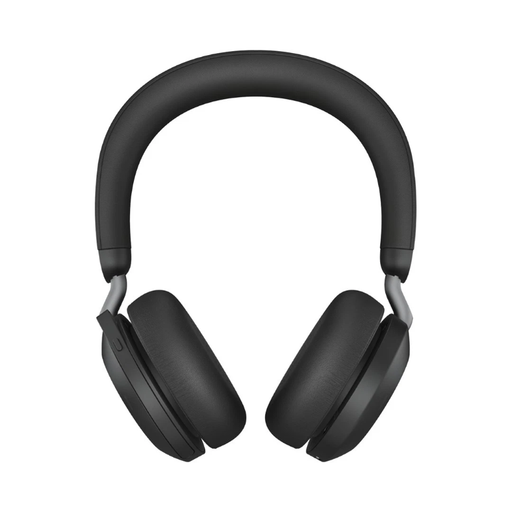 No image available
Check whether the listed USB-C connection and headset design suit the audio output and monitoring setup you use for your piano work.
Bluetooth 5.2; USB-C cable for wired use.
 No image available
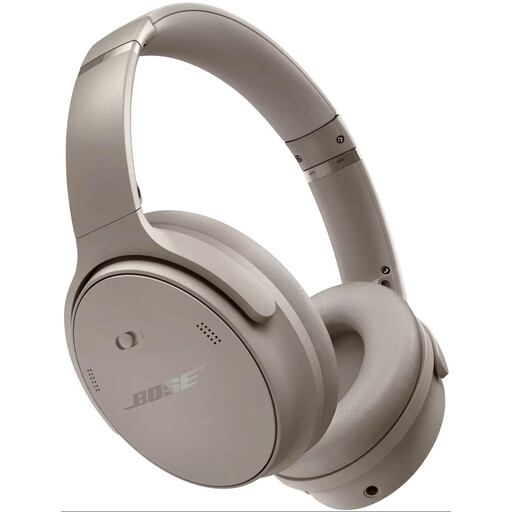
Before using them for piano mixing, check which connection is available and whether it matches your audio output.
Bluetooth; active noise cancelling; Sandstone colour.
 No image available
Check whether the listed wired connection matches your audio output and how you want to listen while recording.
Detachable cable with USB-C and 3.5 mm connections; Black colour.
No. Choose based on your listening and recording setup. Decide which audio output you’ll use and how the cable will run to your seat. When recording through a compatible Focusrite interface, direct monitoring is an interface feature, not a feature of your screens or headphones.
If you’re using a Focusrite interface that supports the feature, direct monitoring can send the input signal straight to the headphone output. Focusrite also recommends muting the recording track in your software if you hear an unwanted doubled signal. If you’re using a different interface, check its manual.
It varies by model. Sennheiser lists washable, replaceable ear pads for the HD 490 PRO; AKG lists replaceable ear pads and a detachable cable for the K702. Check the instructions for the exact version.
Your statutory guarantee exists alongside any commercial warranty; ACM ConsuWijzer explains the difference. When you buy remotely from a business, you generally have 14 days to change your mind, although exceptions apply, as explained by the Dutch government.
Check whether the model has a connection that suits your audio output and which rules apply to the wireless device. The Dutch Authority for Digital Infrastructure explains that radio equipment meeting the relevant requirements carries the CE mark. These wireless rules don’t automatically apply to every passive, wired headphone model.